What’s The Catch With Liquidation Pallets and Wholesale Lots?
Buying liquidation pallets and wholesale lots may seem like an easy way to make money: purchase cheap inventory and sell it on for a profit. However, there are hidden costs, market risks, storage problems and other challenges behind every ‘amazing deal’, which many beginners only discover after spending money.
What’s The Catch With Liquidation Pallets and Wholesale Lots?
A website shows a deal that immediately catches your attention.
50 brand-new industrial air regulators.
Purchase price:
£396 including VAT.
Selling price online:
Around £35 each.
The calculation looks incredible.
Buy for under £400.
Sell everything for almost £1,750.
A beginner immediately thinks:
“Where is the catch?”
And that is exactly the right question.
Because liquidation and wholesale businesses are not usually lost because people cannot find products.
They fail because people underestimate everything that happens after buying the inventory.
The purchase price is only the beginning.
The Biggest Mistake: Confusing Product Value With Profit
One of the biggest traps in liquidation is looking at the difference between buying price and retail price.
A product selling online for £35 does not automatically mean you will make £35 profit.
There are many costs between buying the pallet and receiving the money.
Real-Life Example: The 50 Unit Problem
Imagine buying 50 air regulators.
The calculation looks like this:
Purchase cost:
£396
Potential sales:
50 × £35 = £1,750
The numbers look attractive.
But now reality begins.
You need to consider:
- Marketplace fees
- Packaging
- Shipping
- Customer questions
- Returns
- Storage
- Time spent listing products
- Possible unsold inventory
A seller may spend hours:
- Taking photos
- Writing descriptions
- Answering messages
- Packaging orders
- Visiting shipping locations
Suddenly, the “easy profit” becomes a business operation.
The Hidden Cost Nobody Includes: Your Time
Many beginners calculate product costs but forget labour.
A pallet is not a magic box that converts into money.
Someone has to:
- Receive it
- Inspect it
- Test products
- Clean items
- Photograph them
- Create listings
- Manage buyers
Example: The One-Hour-Per-Item Problem
Imagine selling 50 individual products.
If each item requires only one hour of work:
- Checking condition
- Listing
- Communication
- Packaging
That is 50 hours.
Even at £10 per hour, your labour cost becomes £500.
The inventory may still be profitable.
But the margin is very different from what the first calculation suggested.
The Problem With “Everything Sells For £35 On eBay”
Many buyers research products before purchasing.
They search:
“This product sells for £35. Great.”
But there is an important question:
How many are actually selling?
A product appearing on eBay does not mean there is strong demand.
Supply Can Destroy Your Selling Price
Imagine finding 50 identical products.
You list them at £35.
Then you discover:
- Five other sellers have the same product
- Another seller drops the price to £29
- Customers have many choices
Your expected profit disappears.
Wholesale buying has a hidden challenge:
The more inventory you own, the harder it becomes to sell without affecting the market.
The Inventory May Be Cheap For A Reason
One comment from experienced sellers highlighted an important point:
Many liquidation products exist because companies already struggled to sell them.
This does not mean every liquidation product is bad.
But buyers should ask:
“Why did this inventory leave the normal retail channel?”
Possible reasons include:
- Overstock
- Failed product launches
- Customer returns
- Packaging damage
- Changing consumer demand
- Defects
Sometimes you discover a hidden opportunity.
Sometimes you discover why nobody wanted it.
Customer Returns Are The Biggest Risk In Liquidation
Not all liquidation inventory is the same.
A brand-new overstock pallet is very different from a customer return pallet.
What Can Happen With Return Pallets?
A product may arrive with:
- Missing accessories
- Broken parts
- Signs of use
- Cosmetic damage
- Internal faults
A pallet may be labelled “Grade A” but still contain problems.
Real-Life Case: The “Perfect” Pallet That Wasn’t
One reseller shared that their first pallet was extremely profitable.
The next pallets were completely different.
Instead of valuable inventory, they received items like:
- Damaged cookware
- Used products
- Faulty electronics
- Incomplete items
The lesson:
One successful pallet does not guarantee the next pallet will be the same.
Why Physical Inspection Matters
Many experienced liquidation buyers repeat one warning:
Never trust inventory you cannot properly evaluate.
Photos and descriptions can help, but they do not always reveal:
- Missing parts
- Hidden damage
- Product condition
- Real demand
This is why some buyers prefer local liquidation warehouses where they can inspect inventory before purchasing.
For larger buyers, platforms like B-Stock Solutions allow businesses to purchase liquidation inventory from major retailers, but buyers still need to understand manifests, conditions, and risks.
Why Amazon Is Not Always The Best Place To Sell Liquidation Inventory
Many beginners assume:
“I will just buy liquidation products and sell them on Amazon.”
It is not always that simple.
Amazon often requires:
- Supplier invoices
- Brand approval
- Product authenticity documentation
Some liquidation inventory may not qualify.
Many resellers instead use platforms like:
- eBay
- Facebook Marketplace
- Local stores
- Live selling platforms
For example, eBay Seller Center provides tools for sellers managing marketplace inventory.
The Storage Problem Nobody Talks About
A pallet is physical inventory.
That means:
You need space.
A small purchase can quickly become:
- Boxes in your garage
- Products filling rooms
- Slow-moving inventory taking months to sell
Example:
You buy 500 items.
You sell 200 quickly.
The remaining 300 items sit.
Your money is trapped inside inventory.
This is called inventory holding cost.
Professional sellers think about:
How quickly can I turn inventory into cash?
Not just:
How cheaply can I buy inventory?
Are Wholesale Lots Better Than Liquidation Pallets?
It depends.
Wholesale lots often contain:
- New products
- More predictable inventory
- Consistent quantities
Liquidation pallets often contain:
- Returns
- Overstock
- Mixed conditions
- Greater uncertainty
The best choice depends on your:
- Selling experience
- Budget
- Storage
- Product knowledge
- Customer base
The Real Secret: The Best Buyers Avoid Bad Deals
Successful liquidation sellers are not successful because they buy every cheap pallet.
They succeed because they know what to reject.
They ask:
- Who manufactured this product?
- Is there real demand?
- How many competitors are selling it?
- What is the true selling price?
- What happens if 20% are defective?
- How long will this take to sell?
The skill is not finding inventory.
The skill is filtering inventory.
How To Reduce Your Risk When Buying Liquidation Inventory
Start Small
Do not begin with a truckload.
Test suppliers first.
Research Before Buying
Check:
- Sold listings
- Market demand
- Competition
- Return rates
Avoid Blind Purchases
Whenever possible:
- Inspect inventory
- Understand condition grades
- Request manifests
Build Selling Channels Before Buying
Know where products will go:
- eBay
- Local buyers
- Online stores
- Wholesale customers
Final Thoughts: Is Liquidation Still Worth It?
Liquidation pallets and wholesale lots can create profitable opportunities.
But the biggest mistake beginners make is believing the profit appears when they purchase the pallet.
It does not.
Profit appears when:
- You buy correctly
- You understand the market
- You manage costs
- You sell efficiently
A cheap pallet is not automatically a good deal.
Sometimes the cheapest inventory becomes the most expensive lesson.
Frequently Asked Questions About Liquidation Pallets
Are liquidation pallets worth buying?
Liquidation pallets can be profitable, but success depends on product selection, supplier reliability, selling channels, and operating costs.
Why are liquidation pallets so cheap?
Liquidation inventory is often discounted because retailers need to recover money from returns, overstock, damaged packaging, or unwanted products.
Can you lose money buying liquidation pallets?
Yes. Buyers can lose money if products are damaged, difficult to sell, overpriced, or require too much time and storage.
Are wholesale lots safer than liquidation pallets?
Wholesale lots with new inventory are usually more predictable, while liquidation pallets often involve more uncertainty.
What is the biggest risk when buying liquidation pallets?
The biggest risks are inaccurate expectations, hidden defects, slow sales, storage costs, and buying inventory without understanding demand.
Should beginners buy customer return pallets?
Beginners should be careful with customer returns because products may require testing, repairs, or additional work before resale.
turn inventory into cash?
Businesses can source liquidation inventory through liquidation marketplaces, wholesalers, retailers, and platforms such as Direct Liquidation.
-
TOY PALLETS
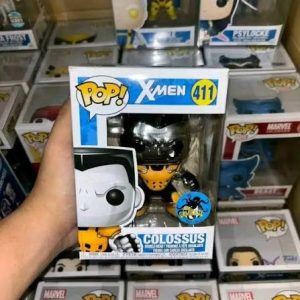
Buy Funko Pop Liquidation Pallet: From $1,250 | Toys Lot
Rated 4.50 out of 5$1,450.00Original price was: $1,450.00.$1,250.00Current price is: $1,250.00. Add to cart -
CLOTHNG PALLETS
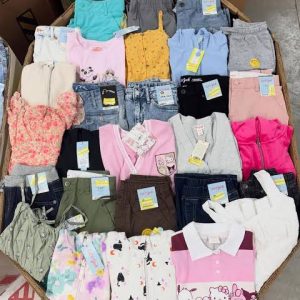
Buy Girls Buy Wholesale Pallet Lot: From $650 | Apparel
$800.00Original price was: $800.00.$650.00Current price is: $650.00. Add to cart -
Foot Wear Pallets
Buy Golden Sneakers Wholesale Pallet Lot: From $7,500 | Shoes
$7,500.00 Add to cartRated 4.75 out of 5