Opinions On Buying Liquidation Pallets: Are They Actually Worth It?
Liquidation pallets attract new resellers with the promise of cheap inventory and big profits. But are they really a hidden opportunity, or are buyers simply purchasing someone else’s problems? Here is what experienced pallet buyers have learned.
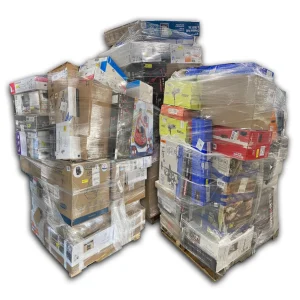
You walk into a warehouse and see hundreds of pallets stacked from floor to ceiling.
Electronics.
Clothing.
Tools.
Home products.
The sign says:
Liquidation pallets starting at $100.
For someone who already sells on platforms like eBay, Depop, Facebook Marketplace, or Whatnot, it is tempting.
Instead of spending hours searching thrift stores, garage sales, and individual listings, you could suddenly have hundreds of products delivered at once.
It sounds like the perfect next step.
But before spending your money, there is one question every new reseller eventually asks:
“Are liquidation pallets actually worth buying, or am I just buying someone else’s leftovers?”
The answer depends on how you approach the business.
Why Liquidation Pallets Look Like A Great Opportunity
The appeal is obvious.
Retailers constantly deal with:
- Customer returns
- Overstock inventory
- Seasonal products
- Discontinued items
- Excess stock
Instead of storing these products forever, businesses sell them through liquidation channels.
Platforms like B-Stock Solutions connect buyers with liquidation inventory from major retailers.
For experienced sellers, this creates opportunities to buy products below traditional wholesale prices.
But there is a difference between buying cheap inventory and buying profitable inventory.
The Biggest Question: Are Liquidation Companies Removing The Best Products First?
One of the biggest concerns buyers have is cherry-picking.
The fear is simple:
A company receives a truckload of valuable inventory.
They remove the best items.
Then they sell the remaining pallets to smaller buyers.
And honestly, this concern exists for a reason.
How Cherry-Picking Can Happen With Liquidation Pallet
Imagine a liquidation company receives:
40 pallets of customer returns.
Among them:
- 5 pallets contain premium electronics
- 10 pallets contain good resale products
- 25 pallets contain lower-value inventory
The company may keep the strongest pallets for itself and sell the remaining inventory.
This is why experienced buyers often prefer:
- Buying directly from retailers
- Buying truckloads
- Buying from verified liquidation marketplaces
- Purchasing pallets with clear manifests
A seller claiming:
“Straight from the truck, untouched inventory”
is generally more attractive than unknown mixed pallets.
Is Buying Local Liquidation Pallets Better?
Many beginners believe buying locally is safer.
And there are some advantages.
Lower Costs
The biggest advantage is avoiding expensive freight.
A pallet might be profitable online but lose its margin after hundreds of dollars in shipping.
A local buyer can:
- Inspect inventory
- Pick up directly
- Avoid freight fees
- Build relationships
For someone starting out, a local liquidation warehouse can be a practical testing ground.
The Problem With Cheap $100 Pallets
A $100 pallet sounds exciting.
But experienced sellers often ask:
“Why is it only $100?”
Sometimes it is a great deal.
Sometimes there is a reason nobody wanted it.
Real-Life Example
A reseller buys a cheap pallet expecting hidden treasures.
Inside:
- Phone cases
- Random accessories
- Broken toys
- Low-demand products
- Items worth less than shipping costs
The products are technically inventory.
But inventory is only valuable when someone wants to buy it.
As one experienced reseller explained, even brand-new sealed products can be worthless if demand is too low.
The Importance Of The Manifest
A manifest is one of the most important tools when buying liquidation pallets.
A manifest usually shows:
- Product names
- Quantities
- Categories
- Expected retail value
It helps buyers understand what they are actually purchasing.
Why Manifested Pallets Reduce Risk
Compare two situations:
Pallet A:
“Mixed electronics pallet. $500.”
No details.
No photos.
No product list.
Pallet B:
A detailed manifest showing:
- 20 vacuum cleaners
- 10 tools
- 5 electronics items
The second pallet allows you to research:
- Selling prices
- Demand
- Competition
A manifest does not guarantee profit.
But buying completely blind increases uncertainty.
Why Some People Make Money While Others Fail
Two people can buy similar pallets and have completely different results.
Why?
Because liquidation is not only a buying business.
It is a selling business.
Successful Sellers Usually Have:
1. Experience Identifying Products
They know:
- Which brands sell
- Which categories move quickly
- Which items are risky
2. Existing Customers
Someone selling on Whatnot, eBay, or locally already understands their market.
3. Repair Skills
A missing cable or simple repair can turn an unwanted item into a profitable product.
4. Multiple Sales Channels
They are not relying on one marketplace.
They may sell through:
- eBay
- Facebook Marketplace
- Flea markets
- Live auctions
- Their own store
The Reality Of Customer Return Pallets
Customer returns are where many beginners get surprised.
A pallet may look valuable on paper.
But after opening:
- Products may be incomplete
- Items may have been used
- Some products may not work
This is why some experienced buyers prefer:
Overstock Inventory
Products that were never sold.
Shelf Pulls
Products removed from stores but usually unused.
These often have less risk than customer returns.
Can A Beginner Start With Liquidation Pallets?
Yes, but expectations matter.
A beginner should not think:
“I will buy one pallet and replace my income.”
A better approach:
- Buy a small test pallet.
- Track every expense.
- Calculate actual profit.
- Learn what sells.
- Improve sourcing.
The first pallet is often education.
The Biggest Mistake New Buyers Make
The biggest mistake is buying based on excitement.
They see:
“$5,000 retail value.”
They think:
“I’m making $4,000.”
Experienced buyers think differently.
They ask:
- How many actually sell?
- How long will it take?
- What condition are they in?
- What fees will I pay?
- How much storage do I need?
The best liquidation buyers are not the ones who buy the most.
They are the ones who avoid bad purchases.
Is Buying Liquidation Pallets Worth It?
Liquidation pallets can absolutely create profitable opportunities.
But they work best for people who treat them like a business.
The opportunity comes from:
- Finding good sources
- Understanding products
- Managing inventory
- Selling efficiently
The pallet itself is not where the money is made.
The money comes from the decisions around the pallet.
Frequently Asked Questions About Buying Liquidation Pallets
Are liquidation pallets worth buying?
Yes, they can be profitable, but success depends on sourcing, product knowledge, selling ability, and controlling costs.
Are liquidation pallets a scam?
Not automatically. However, buyers should research suppliers carefully because inventory quality can vary significantly.
Should beginners buy $100 liquidation pallets?
Small pallets can be useful for learning, but extremely cheap pallets often contain lower-demand products or higher risks.
What is a liquidation pallet manifest?
A manifest is a list of products and quantities included in a pallet. It helps buyers evaluate potential value before purchasing.
Are local liquidation stores better than online suppliers?
Local suppliers can reduce shipping costs and allow inspection, but buyers should still evaluate product quality and pricing.
Do liquidation sellers remove the best products first?
Some sellers may sort inventory before resale, which is why many experienced buyers prefer direct sources or transparent suppliers.
What is the best type of liquidation pallet for beginners?
Many beginners prefer manifested pallets, overstock, and shelf-pull inventory because they usually involve less uncertainty than customer returns.
-
TOILETRY PALLETS
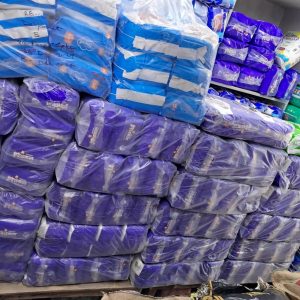
Bulk Buy Nappies Online – Starting at $270 (3,000 Count)
$270.00 Add to cartRated 4.50 out of 5 -
WHOLESALE LIQUIDATION PALLETS
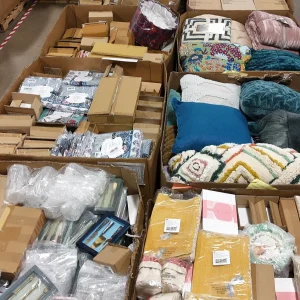
Buy $100 wholesale pallets – Starting at $100 (80 Items)
$1,000.00Original price was: $1,000.00.$100.00Current price is: $100.00. Add to cart -
GENERAL MERCHANDISE
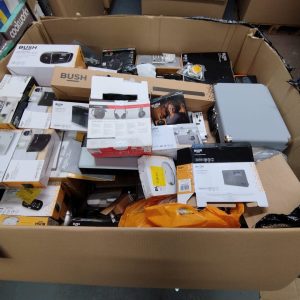
Buy $1000 Liquidation Pallet – Starting at $1,000 (90–100 Items)
$1,000.00 Add to cart