The Liquidation Pallet Business: The Truth Nobody Tells You Before You Buy Your First Pallet
Every day, thousands of people watch liquidation pallet videos and wonder: “Can I really make money buying returned inventory?” Behind the exciting unboxings is a complicated industry built on relationships, risk, experience, and knowing where the real opportunities are.
The Liquidation Pallet Business: The Truth About Buying, Flipping, and Making Money From Liquidation Inventory
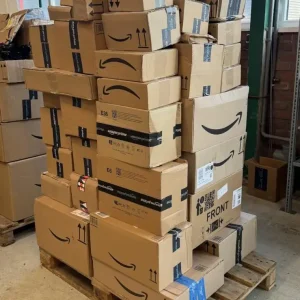
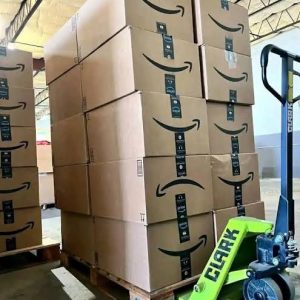
A pallet wrapped in black plastic arrives at a warehouse.
The camera turns on.
The seller grabs a knife and cuts through the packaging.
Inside are electronics, designer clothing, tools, appliances, and products that appear to be worth thousands of dollars.
The comments immediately start:
“Where can I buy these pallets?”
“This looks like easy money.”
“I should start this business.”
This is how many people discover the liquidation pallet business.
The idea is attractive:
Buy unwanted inventory from major retailers at a fraction of the original price, then resell those products for profit.
But after many beginners purchase their first pallet, they discover something that rarely appears in online videos:
The real business is not finding cheap pallets. The real business is knowing which pallets are worth buying.
How Does the Liquidation Pallet Business Actually Work?
Liquidation pallets are created when retailers, manufacturers, and businesses need to recover value from inventory they can no longer sell through normal channels.
This inventory can include:
- Customer returns
- Overstock products
- Shelf pulls
- Seasonal merchandise
- Damaged packaging items
- Excess inventory
Instead of keeping these products in warehouses, companies sell them through liquidation channels.
The Typical Liquidation Supply Chain
A liquidation pallet may travel through several stages before reaching a small reseller.
Example:
Retailer → Large Liquidation Marketplace → Liquidation Company → Local Reseller → Final Customer
Every step can affect:
- Price
- Product quality
- Available information
- Potential profit
This is why two sellers can buy “similar” pallets and have completely different results.
Why Are Liquidation Pallet Sources So Secretive?
One of the biggest questions beginners ask is:
“Where do successful liquidation sellers actually get their inventory?”
The answer depends on the seller.
Some buy from public liquidation marketplaces.
Others work directly with liquidation companies.
Some build private relationships with businesses that need to move inventory quickly.
The reason many sellers protect their sources is simple:
A reliable supplier creates a competitive advantage.
A Real-Life Example: Why Sellers Protect Their Suppliers
Imagine two clothing resellers.
Seller A finds random pallets online whenever they need inventory.
Seller B spends months building relationships with local retailers and wholesalers.
Eventually, Seller B receives calls before inventory becomes publicly available.
The difference is not a secret website.
The difference is trust.
In liquidation, relationships often become more valuable than the pallet itself.
Are Liquidation Influencers Really Making Money From Pallets?
This is one of the biggest debates in the liquidation community.
Many people wonder:
“If liquidation pallets are so profitable, why are influencers spending so much time making videos instead of selling pallets?”
The answer is that different people make money in different ways.
Some influencers earn through:
- YouTube revenue
- Courses
- Affiliate marketing
- Sponsorships
- Online communities
Others are active resellers who use content to build their audience.
The important lesson is:
Do not confuse someone teaching liquidation with someone operating a large-scale liquidation business.
They may both be successful, but their business models may be completely different.
Do Successful Whatnot Sellers Have Secret Deals?
Platforms like Whatnot have created opportunities for sellers to move liquidation inventory through live auctions.
Many beginners see successful sellers and assume:
“They must have a hidden supplier nobody knows about.”
Sometimes they do have better access.
But often their advantage comes from something else:
They Know How To Move Inventory
Two sellers can buy the same pallet.
Seller One:
- Has no audience
- Lists products slowly
- Does not know pricing
- Stores inventory for months
Seller Two:
- Has repeat customers
- Understands product demand
- Uses live selling
- Moves inventory quickly
The second seller may generate more profit from the exact same pallet.
The advantage is not always buying cheaper.
Sometimes it is selling better.
Are Local Liquidation Companies Just Buying From B-Stock and Marking Up Pallets?
This is another common question among new buyers.
Many people wonder:
“Are local liquidation companies really getting direct inventory, or are they just buying pallets online and adding their own markup?”
The reality is that both situations can happen.
Some companies purchase directly from retailers or manufacturers.
Others purchase from larger liquidation marketplaces and resell locally.
Why Would Someone Buy From A Local Liquidator?
Buying locally can provide advantages:
- Lower shipping costs
- Ability to inspect inventory
- Smaller purchase requirements
- Faster pickup
- Less risk compared to truckloads
A beginner may not be ready to buy a full truckload.
A local liquidator allows them to start smaller.
The important question is not:
“Where did they buy it?”
The important question is:
“Is the final price low enough to create profit?”
Why Retail Value Can Be Misleading
One of the biggest mistakes beginners make is believing retail value equals profit.
A pallet may advertise:
Retail Value: $10,000
A beginner thinks:
“I paid $1,500. I can make thousands.”
But retail value does not guarantee resale value.
Real-Life Example
A reseller buys a customer return pallet.
The manifest shows:
- Electronics
- Small appliances
- Tools
The reseller expects huge profits.
After opening the pallet:
- Some products are missing parts
- Some items require repairs
- Some products sell below expectations
- Some items take months to find buyers
The pallet may still be profitable.
But the actual profit is very different from the advertised retail value.
Experienced sellers focus on:
- Demand
- Condition
- Selling speed
- Market price
Why Some Sellers Avoid Customer Return Pallets
Not all liquidation inventory is the same.
Customer returns are popular because they can contain valuable products.
However, they also carry more uncertainty.
Common Problems With Return Pallets
Products may have:
- Missing accessories
- Hidden damage
- Signs of use
- Packaging issues
- Warranty problems
Because of this, some experienced sellers prefer:
Overstock Pallets
Products that were never sold but remain in good condition.
Shelf Pull Pallets
Products removed from stores but usually still sellable.
These categories often involve less risk.
Is Pallet Flipping Really A Side Hustle?
Many beginners enter the liquidation business thinking:
“I will buy a pallet on weekends and make extra money.”
But successful sellers often discover that liquidation requires serious work.
A single pallet can involve:
Day 1:
Receiving and unloading inventory.
Day 2:
Testing products.
Day 3:
Cleaning and organizing items.
Day 4:
Taking photos and creating listings.
Day 5:
Managing customers and sales.
The business is not just buying inventory.
It is managing inventory.
Can Small Liquidation Businesses Survive Against Big Companies?
A major concern is whether large companies will eventually dominate liquidation.
Retail giants have more:
- Money
- Data
- Technology
- Storage capacity
However, liquidation exists because retail is complicated.
Companies will always deal with:
- Returns
- Overstock
- Seasonal inventory
- Product changes
Many large retailers do not want to handle thousands of individual returned items themselves.
This creates opportunities for smaller businesses that can:
- Sort inventory
- Repair products
- Create better listings
- Sell through specialized channels
Will AI Change The Liquidation Industry?
Artificial intelligence will likely change liquidation.
AI can improve:
- Inventory forecasting
- Pricing decisions
- Product recognition
- Supply chain management
But AI will not remove every challenge.
Products will still be returned.
Inventory will still become outdated.
Customers will still change their minds.
The future advantage may belong to sellers who combine liquidation knowledge with technology.
What Separates Successful Liquidation Sellers From Beginners?
The biggest difference is experience.
Successful sellers learn:
- Which suppliers are reliable
- Which products are profitable
- Which categories are risky
- How much inventory is actually worth
- How to sell faster
A beginner sees a pallet.
An experienced seller sees:
- Potential profit
- Possible problems
- Market demand
- Selling strategy
That knowledge is what creates the advantage.
Is The Liquidation Pallet Business Worth Starting?
The liquidation pallet business can create opportunities, but it is not a shortcut to easy money.
The people who succeed usually understand one important thing:
The profit is not inside the pallet. The profit comes from the decisions made before buying it.
Successful liquidation businesses are built through:
- Smart sourcing
- Product knowledge
- Strong selling channels
- Good relationships
- Consistent execution
The pallet is only the beginning.
Frequently Asked Questions About The Liquidation Pallet Business
Are liquidation pallets profitable?
Yes, liquidation pallets can be profitable, but profitability depends on sourcing, product selection, selling ability, and operating costs.
Where can I buy liquidation pallets?
Liquidation pallets can be purchased from liquidation marketplaces, wholesalers, local liquidation companies, retailers, and direct business relationships.
Are liquidation pallets a scam?
Not all liquidation pallets are scams. However, buyers should research suppliers carefully because inventory quality can vary significantly.
Are customer return pallets worth buying?
Customer return pallets can be profitable, but they carry more risk because products may have damage, missing parts, or unpredictable conditions.
Is pallet flipping easy money?
No. Successful pallet flipping requires product knowledge, testing, storage, marketing, and time.
Do liquidation sellers have secret suppliers?
Some sellers have private relationships, but many successful sellers succeed because they understand sourcing, pricing, and sales rather than because of one secret supplier.
Will AI replace liquidation businesses?
AI may change how liquidation operates, but returned inventory and excess stock will continue to exist because retail operations are not perfect.
-
GENERAL MERCHANDISE
Buy Amazon Liquidation Auctions USA – Starting at $260 (100 Items)
$260.00 Add to cart -
Uncategorized
Buy Amazon Liquidation Auctions USA (200 Items – $450)
$450.00 Add to cartRated 4.50 out of 5 -
WHOLESALE LIQUIDATION PALLETS
Buy amazon mystery box pallet – Starting at $650 (300 Items)
$850.00Original price was: $850.00.$650.00Current price is: $650.00. Add to cart -
Cosmetic Liquidation Pallets
Buy Ariana Grande Perfume – Starting at $695 (100–120 Pieces)
$695.00 Add to cart