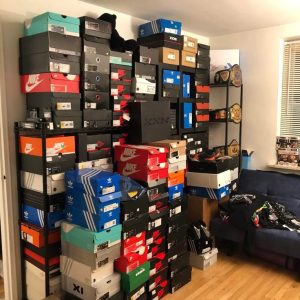
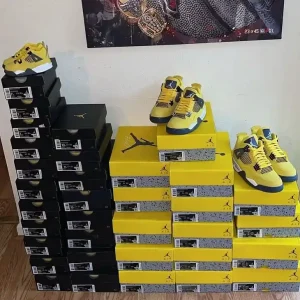
Buy Shoe Liquidation Pallets For Sale (200+ Pairs From £715)
£715.00
Current Price: From £715 Per Pallet
Status: In Stock – Ready To Ship
Seller: Verified U.S. Footwear Liquidation Supplier
Source: Major Retailer Overstock, Shelf Pulls & Customer Returns
Condition: Mixed – New In Box, Like-New and Light Customer Returns
Brands Included: Nike, Adidas, Puma, New Balance, Skechers, Vans and More
Sizes: Mixed Adult & Youth Sizes (Men, Women & Kids)
Items per Pallet: 200+ Pairs Assorted Styles
Estimated Retail Value: Up To £6,400+
Packaging: Original Shoe Boxes, Master Cartons, Secure Freight Wrap
Distribution Agreement Required: No
Shipping Area: Fast Freight Delivery Across USA & Worldwide
Detailed Breakdown by Brand
Nike (50–70 Pairs)
Sizes: Men 7–13, Women 6–11
Note: Popular models often include Air Max, Air Force 1, Revolution and running trainers. Strong year-round resale demand.
Adidas (40–60 Pairs)
Sizes: Men 7–13, Women 6–11
Note: Frequently includes Ultraboost, NMD, Superstar and performance running shoes.
Puma (20–30 Pairs)
Sizes: Mixed adult sizes
Note: Sport lifestyle and athletic trainers with steady resale value.
New Balance (20–25 Pairs)
Sizes: Men and Women mixed
Note: Running and comfort-focused styles with strong online demand.
Skechers & Vans (30–40 Pairs)
Sizes: Adult and youth
Note: Casual, skate and comfort footwear ideal for local resale markets.
Example Pallet Manifest – Total: 200+ Pairs
Athletic Running Shoes: 90 Pairs
Lifestyle Sneakers: 60 Pairs
Casual & Slip-Ons: 25 Pairs
Kids & Youth Shoes: 15 Pairs
Boots & Seasonal Styles: 10+ Pairs
Ideal for resellers on eBay, Amazon, Facebook Marketplace, sneaker stores and discount outlets. Recognizable brands and mixed size runs help maximize profit margins.
Shoe Liquidation Pallets: Wholesale Sneakers Trading
The secondary market for footwear has experienced a massive surge in recent years. Many savvy entrepreneurs are now turning to shoe liquidation pallets to source inventory at a fraction of the original retail cost. These bulk lots offer a unique way to acquire high-demand sneakers and casual footwear for resale on platforms like eBay, Poshmark, or Depop.
Navigating the world of bulk trading requires a clear understanding of how inventory moves from major retailers to liquidation warehouses. By purchasing these pallets, you are essentially buying overstock or returned items that stores need to clear out quickly. This process creates a significant margin for profit if you know how to sort, clean, and list the items effectively.
Success in this industry is built on consistency and sourcing. Whether you are looking for high-end athletic brands or everyday comfort shoes, understanding the logistics of pallet purchases is the first step toward a profitable home-based or warehouse business.
Key Takeaways
-
Shoe liquidation pallets consist of overstock, shelf pulls, and customer returns from major retailers.
-
Manifested pallets provide a detailed list of contents, while unmanifested pallets offer higher risk but lower entry costs.
-
Profits are maximized by focusing on high-demand athletic brands and popular sizes (UK 7 to UK 10).
-
Shipping costs can significantly impact your bottom line, so local pickup is often preferred when available.
-
Authenticity is critical; always verify the source to avoid counterfeit goods in bulk lots.
-
Processing inventory involves cleaning, photographing, and listing items across multiple resale platforms.
-
Seasonal transitions are the best times to find clearance inventory as retailers swap winter boots for summer sandals.
Shoe Liquidation Pallets
Shoe liquidation pallets are bulk bundles of footwear sold by retailers or third-party liquidators to clear out inventory. These pallets typically contain a mix of styles, sizes, and brands that are no longer being sold in primary retail stores.
Retailers liquidate shoes for several reasons. The most common cause is overstock, where a store ordered too many units of a specific style. Seasonal clearance also plays a role, as winter boots are moved out to make room for spring collections. Additionally, customer returns contribute a large portion of liquidation stock, especially from online giants.
The variety included in these pallets is vast. You might find everything from professional running shoes and high-top basketball sneakers to casual loafers and children’s school shoes. Branded sneakers from major global labels are the most sought-after items due to their high resale value.
For resellers, these pallets represent a goldmine of opportunity. By purchasing in bulk, the cost per pair is significantly reduced, often falling between £5 and £15 per unit. When these are resold at market rates, the potential for a high return on investment is substantial.
What Are The Most Common Types Of Shoe Liquidation Pallets?
The two main categories are manifested and unmanifested pallets. A manifested pallet comes with a digital or printed list detailing every pair of shoes, including the brand, size, and estimated retail value. Unmanifested pallets are “mystery boxes” where the contents are unknown until the pallet is opened.
Manifested pallets are generally safer for beginners. You can calculate your potential profit before spending a single pound. Unmanifested pallets are cheaper and are often preferred by experienced “treasure hunters” who are willing to take a gamble for a higher reward.
Pallet sizes vary based on the supplier. A standard pallet might hold anywhere from 100 to 500 pairs of shoes. Some smaller “lot” options exist, sold by the case, which might contain 20 to 50 pairs for those with limited storage space.
Table 1: Manifested Vs. Unmanifested Pallets Comparison
| Feature | Manifested Pallets | Unmanifested Pallets |
| Risk Level | Low | High |
| Price Point | Premium | Discounted |
| Transparency | Full Item List | Blind Purchase |
| Best For | Beginners / Scalers | Experienced Hunters |
| Predictability | High ROI Accuracy | Variable ROI |
Athletic sneakers and “hype” brands sell the fastest in the resale market. According to research on secondary market trends, footwear remains one of the most liquid assets in the fashion resale industry.
Where Can You Buy Shoe Liquidation Pallets?
You can purchase these pallets through specialized wholesale marketplaces, dedicated liquidation companies, and online auction sites. Large platforms act as middlemen between big-box retailers and small resellers.
Local suppliers are often found in industrial parks. Buying locally allows you to inspect the pallet wrap and potentially save hundreds of pounds on shipping fees. Online platforms offer more variety but require you to trust the description and photos provided by the seller.
It is highly recommended to contact trusted suppliers directly. Building a relationship with a liquidator can give you first access to high-demand “truckload” deals before they are listed publicly. Securing a steady stream of inventory is the secret to long-term success.
What Are The Best Shoe Liquidation Pallets For Maximum Profit?
The most profitable pallets are those containing “A-Grade” overstock from premium athletic brands. Brands like Nike, Adidas, and Jordan consistently hold their value, even if the box is slightly damaged or missing.
Brand-name pallets yield higher margins because the consumer demand is already established. You do not have to “sell” the brand; you only have to prove the condition and the price. Boutique or designer shoe pallets can also be lucrative but require a more niche customer base.
To spot an undervalued pallet, look for “shelf pulls.” These are items that were never purchased by a customer but were removed from shelves to make room for new stock. They are usually in pristine condition and often still have the original retail tags attached.
How Much Do Shoe Liquidation Pallets Cost?
The cost of a pallet is determined by the quality of the brands and the total unit count. A small starter lot of 25 to 50 pairs might cost between £300 and £700. Medium pallets with 150 pairs often range from £1,500 to £3,000.
Table 2: Estimated Pallet Pricing By Size
| Pallet Size | Unit Count (Approx) | Price Range (GBP) |
| Small Case | 20 – 50 | £250 – £800 |
| Standard Pallet | 100 – 250 | £1,200 – £4,000 |
| High-End Lot | 50 – 100 | £2,000 – £6,000 |
| Truckload | 20+ Pallets | £15,000+ |
Factors like brand popularity and “condition grade” heavily influence these prices. You must also factor in shipping. A heavy pallet sent across the country can cost between £100 and £250 in freight charges, which adds to your “cost per pair.”
Are Shoe Liquidation Pallets Worth Buying?
Yes, shoe liquidation pallets are worth buying if you have the time to process the inventory and a platform to sell on. The resale market for shoes is robust, but it requires a disciplined approach to grading and pricing.
New-in-box (NIB) pallets are the gold standard. They require the least amount of work. Customer-return pallets are riskier because shoes may show signs of wear, or you might find “mismatched” pairs where the left and right shoes are different sizes.
Beginners should start with small cases or manifested lots. This allows you to test the market demand in your area without committing thousands of pounds. Once you understand which styles move quickly, you can scale up to full truckloads.
How Do Nike Shoe Liquidation Pallets Differ From General Pallets?
Nike pallets are specialized lots that consist exclusively of products from the Oregon-based giant. They are significantly more expensive than general “mixed brand” pallets because the resale demand for Nike is unparalleled.
These pallets are often sourced directly from official clearance centers or major sporting goods retailers. Because Nike controls its distribution tightly, finding a legitimate source for Nike liquidation is a major win for any reseller.
Popular models like Air Force 1s, Air Max, and Dunks are frequently found in these lots. While the buy-in price is higher, the “sell-through rate” is much faster. You can often flip a Nike pallet in half the time it takes to sell a generic fashion pallet.
Can You Make Money Selling Shoe Liquidation Pallets On Amazon?
Yes, you can make money on Amazon, but it is more challenging than other platforms. Amazon has strict requirements for “Brand Gating,” meaning you might need permission from the brand owner to sell certain names.
Competition on Amazon is fierce, and fees can eat into your margins. However, if you find “ungated” brands or have the proper invoices, the sheer volume of Amazon traffic can lead to rapid sales. You must ensure your listings are 100% accurate to avoid returns.
To maximize profit on Amazon, focus on “New with Box” items. Amazon customers expect a retail-grade experience. If your liquidation stock is scuffed or unboxed, it is better suited for eBay or local marketplaces like Facebook Marketplace.
How Do Amazon Return Shoe Pallets Work?
Amazon return pallets consist of items sent back by customers for various reasons. Some were “missed deliveries,” while others were tried on and didn’t fit. These are sold “as-is” to liquidators who then sell them to the public.
Table 3: Shoe Condition Grading Definitions
| Grade | Description | Resale Potential |
| Grade A | New, original box, no wear. | High (Retail Price) |
| Grade B | Light wear or missing box. | Medium (60-70% Retail) |
| Grade C | Visible wear or minor defects. | Low (30-50% Retail) |
| Salvage | Damaged, broken, or dirty. | Very Low (Parts/Repair) |
Evaluating profitability requires looking at the “Condition Code.” According to the Federal Trade Commission, transparency in bulk sales is vital for consumer protection. Always check if the pallet is listed as “Raw Returns” or “Inspected.”
What Is The Best Way To Inspect Shoe Liquidation Pallets?
The first step is a visual “pairing” check. Ensure every left shoe has a matching right shoe in the correct size. It is a common mistake in liquidation to find two left shoes or a size 8 paired with a size 9.
Next, check for authenticity. Look at the stitching, the smell of the materials, and the inner size tags. Using apps like CheckCheck can help you verify high-end sneakers quickly. Documenting every defect immediately is crucial for accurate listing later.
Organize your inventory by size rather than brand. Most buyers search for shoes by their own size first. Using a simple spreadsheet to track your “Cost of Goods Sold” (COGS) will help you maintain a clear view of your business health.
How Do Shoe Liquidation Pallets Affect Retail Markets?
Bulk liquidation acts as a safety valve for the retail economy. It allows big stores to recoup capital that would otherwise be tied up in dead stock. This keeps the retail cycle moving and allows for new trends to hit the shelves.
For small entrepreneurs, liquidation levels the playing field. It provides access to high-quality inventory that was previously only available to large chains. This creates a vibrant “recommerce” economy that benefits budget-conscious consumers.
Seasonality plays a major role. After the “Back to School” or “Holiday” seasons, liquidation warehouses are usually flooded with inventory. Smart buyers wait for these influxes to negotiate better prices on bulk purchases.
How Can You Avoid Fraud When Buying Shoe Liquidation Pallets?
Fraud is a reality in the liquidation world. Common scams include “cherry-picking,” where a liquidator removes all the high-value Nikes and replaces them with generic brands before selling the pallet to you.
Always verify the supplier’s credibility by checking reviews on independent sites. Legitimate companies will have a physical address and a working phone number. Avoid any seller who insists on “Wire Transfer Only” or “Friends and Family” payments.
According to U.S. Customs and Border Protection, the importation of counterfeit footwear is a major legal issue. If a deal seems too good to be true—like a pallet of 100 pairs of “Brand New Jordans” for £500—it is almost certainly a scam involving fakes.
What Types Of Shoes Are Most Profitable In Liquidation Pallets?
Athletic sneakers remain the king of resale. Specifically, basketball shoes and “lifestyle” runners have the highest demand. Limited edition releases or “collaborations” found in liquidation are essentially the “jackpot” for any reseller.
Table 4: Top Resale Platforms for Liquidation Shoes
| Platform | Best For | Average Fee |
| eBay | Global reach, used shoes. | 13.2% + 30p |
| Poshmark | Fashion-forward buyers. | 20% |
| StockX | Brand new, hyped sneakers. | 8-10% |
| Depop | Vintage and trendy styles. | 10% |
| Vinted | Quick local UK sales. | 0% (Seller) |
Prioritize inventory that is “New with Box.” Even a battered box is better than no box at all. If you find high-end boots (like Dr. Martens or Timberland), these are excellent for winter sales and usually command a high price.
How Do You Price Shoes From Liquidation Pallets For Resale?
Pricing is a math problem. Start with your total investment (Pallet Price + Shipping + Supplies). Divide this by the number of sellable pairs to find your “Break-even” point per unit.
For example, if a pallet of 100 pairs costs £1,200 total, your cost per pair is £12. If you sell a pair for £40, after platform fees and shipping, you might net £25. This results in a £13 profit per pair.
Always check “Sold Comps” on eBay. Do not look at what people are asking for a shoe; look at what people actually paid. This ensures your pricing is competitive without leaving money on the table.
How Do You Store And Manage Shoe Liquidation Pallets?
Proper storage prevents damage and keeps your business organized. If you are working from home, use clear plastic bins to stack shoes by size. Avoid damp areas like basements, as moisture can ruin leather and cause “sole crumbling” in older sneakers.
Labeling is vital. Each pair should have a unique SKU (Stock Keeping Unit). This makes it easy to find the exact pair once it sells. If you have a warehouse, use industrial racking to keep pallets off the floor and maximize vertical space.
Table 5: Business Cost Breakdown Example
| Expense Item | Estimated Cost | Frequency |
| Pallet Purchase | £1,500 | Per Order |
| Shipping (Freight) | £180 | Per Order |
| Packaging (Tape/Boxes) | £50 | Monthly |
| Platform Fees | 13% | Per Sale |
| Cleaning Supplies | £20 | Quarterly |
Frequently Asked Questions About Shoe Liquidation Pallets
What Are Shoe Liquidation Pallets And How Do They Work For Resellers?
Yes, they are bulk lots of footwear sold at a discount. Resellers purchase these pallets to obtain inventory for their online stores or physical shops. The process works by diverting unsold or returned goods from retailers to the secondary market.
How Do Manifested And Mystery Shoe Pallets Compare In Profit And Risk?
Manifested pallets offer low risk and predictable profits because you know exactly what is inside. Mystery or unmanifested pallets carry high risk but can lead to massive profits if they contain “hidden gems” that the liquidator overlooked.
Related products
-
Foot Wear PALLETS
Wholesale Golden Sneakers Pallets For Sale (50 Pairs – £7,500)
£7,500.00 Add to cart -
Foot Wear PALLETS
Buy Authentic Jordan Liquidation Pallets (60 Pairs – £1,800)
£1,800.00 Add to cart