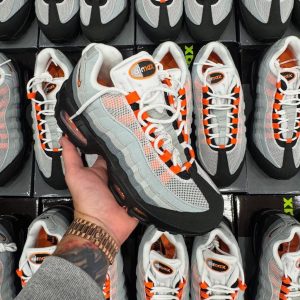
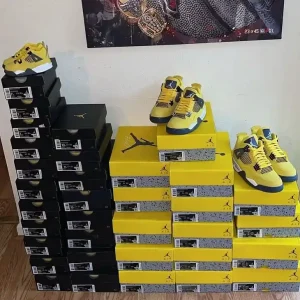
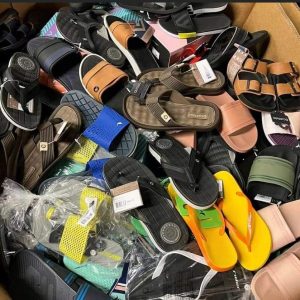
Buy Nike Liquidation Pallets (250+ Pairs From £2,350)
£2,350.00
Status: In Stock – High Demand
Seller: Verified Nike Overstock Liquidator
Source: Nike Overstock, Store Returns & Shelf Pulls
Condition: Mixed – Brand New, Like-New & Customer Returns
Items per Pallet: 250+ Pairs (Assorted Sizes & Styles)
Estimated Retail Value: Up to £14,500+
Return Policy: Final Sale – Buyer Protection Available
Packaging: Original Boxes & Bulk Cartons, Secure Freight Wrapped
Shipping Area: Fast Freight Delivery Across USA & Worldwide
Nike liquidation pallets are perfect for resellers, sneaker boutiques, and online sellers looking to secure high-demand athletic footwear at wholesale pricing. Each pallet offers a strong mix of Nike’s best-selling sneakers and sportswear, giving you consistent resale potential both in-store and online.
Detailed Breakdown by Category
Nike Running Shoes (80–100 Pairs)
Sizes: Men’s 7–13, Women’s 5–11
Note: Common models include Air Zoom, Pegasus, Revolution, and React. Everyday performance shoes with steady resale demand.
Nike Basketball Shoes (40–60 Pairs)
Sizes: Men’s 8–14
Note: Often includes LeBron, KD, Giannis, or Kyrie signature lines. Strong margins in urban and sneaker markets.
Nike Lifestyle & Air Series (50–70 Pairs)
Sizes: Mixed adult sizes
Note: Frequently includes Air Force 1, Air Max, Blazer, and Dunk styles. Year-round best sellers.
Nike Training & Cross Training Shoes (20–30 Pairs)
Sizes: Mixed
Note: Includes Metcon and Free Trainer models, popular with gym and fitness buyers.
Nike Apparel & Accessories (Optional 20–40 Items)
Includes hoodies, joggers, Dri-FIT tees, shorts, caps, and socks.
Example Distribution – Total 260 Pairs
Core Everyday Models – Approx. 140 Pairs
Air Max Series: 50 pairs
Air Force 1: 40 pairs
Revolution & Pegasus: 50 pairs
Performance & Sports Models – Approx. 80 Pairs
Basketball Signature Lines: 45 pairs
Training & Cross Trainers: 35 pairs
Apparel & Accessories – Approx. 40 Units
Dri-FIT Shirts: 15
Hoodies & Sweatshirts: 10
Shorts & Joggers: 10
Caps & Socks: 5
Most pallets feature a balanced size run, with heavier quantities in popular sizes such as Men’s 9–11 and Women’s 7–9. Products may arrive in original retail boxes or bulk packed cartons depending on condition grading.
These pallets are ideal for sneaker resellers, Amazon and eBay sellers, retail shoe stores, and international export buyers seeking strong brand recognition and fast-moving inventory.
Nike Liquidation Pallets: Stock For Buyers
Buying bulk inventory from major brands is one of the most effective ways to scale a reselling business quickly. When you invest in nike liquidation pallets, you are tapping into a secondary market that is fueled by one of the most recognizable names in global fashion. This guide is designed to help you navigate the complexities of sourcing, grading, and selling this high-demand inventory. Whether you are a seasoned eBay seller or a local boutique owner, understanding how these pallets are structured is the first step toward consistent profitability.
Key Takeaways
-
Identify the difference between overstock and customer returns before you bid.
-
Calculate your shipping costs early to protect your narrow profit margins.
-
Always verify the manifest to ensure the sizing distribution meets your local market needs.
-
Focus on “Grade A” or “Shelf Pull” pallets for the fastest turnaround times.
-
Use professional authentication tools to provide peace of mind to your retail customers.
-
Start with smaller 20-pair lots to test the quality of a new wholesale distributor.
-
Monitor seasonal cycles to buy winter boots in summer for the best price breaks.
-
Keep detailed records of all invoices to prove the chain of custody for your goods.
Nike Liquidation Pallets
Nike liquidation pallets are bulk collections of footwear and apparel that are sold off by retailers or the manufacturer itself. These items enter the secondary market when they are no longer suitable for primary retail shelves. This usually happens through a process called “clearing the channel,” where older styles are moved out to make room for new seasonal launches. These goods are then consolidated onto wooden pallets and sold to liquidators at a fraction of their original retail value.
Inventory is typically liquidated due to excess stock, minor packaging damage, or the end of a specific marketing campaign. When a retail store like a national sporting goods chain has too many pairs of a specific running shoe, they may bundle them into these lots. Buyers can often find high-value sneakers, including Jordan Brand and Air Max models, hidden within these bulk shipments. The secondary market relies on these steady streams of product to supply discount outlets and independent online resellers.
Most buyers of these pallets are professional resellers, small business owners, or export specialists. Because the Nike brand carries such high prestige, the demand for discounted authentic products remains constant. By purchasing in bulk, these buyers are able to secure a low “cost per pair,” allowing for a healthy markup when the items are sold individually. This ecosystem supports a wide variety of entrepreneurs who specialize in everything from vintage finds to modern performance gear.
What Are Nike Liquidation Pallets And How Do They Work For Buyers?
Yes, nike liquidation pallets work by allowing buyers to purchase authentic goods at wholesale prices through third-party liquidators. The structure of a pallet usually involves a mix of sizes and styles that are shrink-wrapped together for freight shipping. The sourcing process begins at the corporate or big-box retail level, where “slow-moving” inventory is identified. Once identified, the stock is sent to a central processing warehouse
The purchase flow is straightforward but requires due diligence from the buyer. You will typically find a listing on a B2B marketplace that details the estimated piece count and the condition of the items. After you win an auction or complete a “Buy It Now” transaction, the distributor prepares the pallet for shipping. Buyers are expected to pay via wire transfer or secure credit card processing before the goods leave the warehouse.
Conditions are usually disclosed using industry-standard terms like “NIB” (New in Box) or “Grade B” (minor flaws). Disclosure terms are vital because they tell you exactly what you are getting. If a pallet is listed as “unmanifested,” it means the exact contents are a mystery, which carries higher risk. Most professional buyers prefer “manifested” pallets where a spreadsheet lists every model and size included in the shipment.
Nike Pallets And Bulk Nike Inventory Explained
Understanding the terminology used in the liquidation industry is essential for avoiding costly mistakes. The term nike pallets usually refers to a specific quantity of goods stacked and wrapped for transport. This can include anything from 50 pairs of shoes to several hundred pieces of mixed apparel. Bulk inventory is the broader term used for any large-scale purchase that happens outside of the traditional retail consumer path.
| Pallet Type | Typical Condition | Resale Potential | Risk Level |
| Overstock | Brand New / Unworn | High | Low |
| Shelf Pulls | New / Box Wear | Medium-High | Low |
| Customer Returns | Varied / Used | Medium | High |
| Defective | Damaged / Flawed | Low | Very High |
| Mixed Brand | New / Varied | Medium | Medium |
Footwear-only pallets are specifically designed for sneaker sellers who do not want to deal with clothing sizes or styles. Mixed pallets might include t-shirts, hoodies, and accessories alongside a few pairs of shoes. The choice between these two depends on your specific business model and how much storage space you have for hanging garments. Footwear usually has a higher resale value per square foot than clothing.
Pallet grading is the most significant factor impacting your final resale outcomes. A “Grade A” pallet will consist of items that look like they just came off a retail shelf. Conversely, “Grade C” lots may require cleaning or might even have missing laces or boxes. Successful resellers often develop a “refurbishment” process to increase the value of lower-grade items before listing them for sale.
Nike Shoe Pallets For Sale And Footwear Focused Inventory
When searching for nike shoe pallets for sale, you will find that footwear is the most sought-after category in the liquidation world. These pallets often contain a range of categories including running, basketball, lifestyle, and training shoes. Because shoes are easier to authenticate and have more standardized sizing than clothing, they are the preferred choice for new resellers. You can often find popular models like the Pegasus or the Revolution in these bulk lots.
Sizing ranges in a typical pallet are usually varied, but “extreme” sizes are common in liquidation. You may find several pairs of very small or very large shoes, as these are the ones that typically fail to sell at full retail price. Assortment expectations should be managed carefully; do not expect a pallet full of only the most popular “hype” sneakers. Instead, expect a solid mix of “bread and butter” models that appeal to everyday athletes and casual wearers.
Footwear pallets are popular among sneaker resellers because of the high liquidity of the product. According to [Research Link: Footwear Market Trends], the secondary market for branded sneakers continues to grow as consumers look for value. A single pallet can provide enough inventory to stock an entire online store for a month. This convenience makes bulk buying a favorite strategy for those looking to scale their operations without visiting dozens of local thrift stores.
Nike Shoes Liquidation Pallets For Sale And Market Demand
Yes, there is immense resale demand for liquidation nike shoes because the brand is a household name with a reputation for quality. Buyers are constantly looking for a deal on authentic footwear, especially for growing children or active adults. This high demand means that even “last year’s model” will still sell quickly if the price is right. The market is deep enough to support thousands of independent sellers simultaneously.
Seasonal demand patterns play a huge role in how quickly your inventory will move. For example, basketball shoes tend to see a spike in sales during the start of the school year and the winter season. Conversely, lightweight running shoes and sandals move much faster in the spring and summer months. Smart buyers use these patterns to time their purchases, often buying out-of-season stock at a discount to hold for a few months.
Pricing leverage is much higher in footwear-only pallets compared to mixed lots. When you specialize in shoes, you can negotiate better freight rates and develop more efficient shipping processes for your customers. Furthermore, buying in bulk allows you to offer “bundle deals” to your buyers. If you purchased a pair for £25 through a liquidation pallet, selling it for £55 still leaves plenty of room for profit after fees.
Nike Overstock Inventory And Excess Nike Stock
Nike overstock inventory consists of brand-new items that were never sold to a final consumer. These items are often the result of “over-buying” by large retailers or “over-production” by the manufacturer. Because these items have never been tried on or returned, they are considered the gold standard of liquidation. They usually arrive in their original orange or black boxes with all factory tissue paper and tags intact.
The liquidation cycles for overstock typically happen at the end of each fiscal quarter. As companies like Nike prepare their financial reports, they want to move stagnant assets off their balance sheet. This is when large batches of excess nike stock are pushed out to the wholesale market. For a detailed look at how large corporations handle inventory, you can review [Government Link: SEC Retail Inventory Guidelines] which discusses financial reporting for unsold goods.
| Category | Overstock Benefit | Return Risk |
| Running Shoes | Full Tread / New Foam | Worn Soles |
| Apparel | Factory Folded | Deodorant Stains |
| Equipment | All Parts Included | Missing Components |
| Kids’ Shoes | Matching Pairs | Mismatched Sizes |
| Accessories | Sealed Packaging | Opened/Missing Tags |
It is important to differentiate overstock from customer returns. While overstock is pristine, returns have been in the hands of a consumer. Returns might have “box damage” or “slight signs of wear” from being tried on in a house. Most professional distributors will clearly label these two categories differently. If you want a “no-hassle” experience, sticking to overstock is the best way to ensure your customers are satisfied with their purchases.
Nike Wholesale Pallets And Bulk Buying Opportunities
There is a distinct difference between nike wholesale pallets and liquidation pallets. Wholesale typically involves buying current-season goods directly from an authorized distributor or the brand itself. This requires a formal business license and a high-volume “buy-in” that can cost thousands of pounds. Liquidation, on the other hand, is the process of buying older or excess goods through secondary channels.
Wholesale nike shoes pallets are ideal for established business buyers who need a consistent supply of specific models. In these cases, you might be able to order 100 pairs of the exact same style in a full size run. With liquidation, you are at the mercy of whatever is currently in the “excess” pile. However, the price per unit in liquidation is usually significantly lower than traditional wholesale, which is why resellers love it.
Compliance requirements for resale are something every buyer must consider. While it is legal to resell authentic goods you have purchased, some platforms have “brand registry” protections. Always ensure you have a “proof of purchase” or an “invoice” from your liquidator. This documentation is your primary defense if a marketplace ever questions the authenticity or origin of your items.
Can You Buy Wholesale From Nike Or Authorized Channels?
Doubtful. It is very difficult for a small or medium-sized business to buy directly from Nike as an authorized dealer. Nike has spent the last several years moving toward a “Direct to Consumer” (DTC) model, cutting off many smaller wholesale accounts. To become an authorized dealer, you usually need a physical brick-and-mortar store and the ability to commit to massive annual purchase volumes.
If you cannot get a direct account, you must look for authorized nike wholesale distributors. These are large middle-man companies that have the right to distribute Nike products to smaller retailers. Even then, the barrier to entry is high. This is why the liquidation market is so popular; it provides a “back door” for smaller entrepreneurs to access authentic Nike products without the corporate red tape of a direct account.
There are risks to unauthorized sourcing that you should be aware of. If you buy from a source that cannot provide a paper trail, you risk receiving counterfeit goods. According to the [Government Link: CBP Intellectual Property Rights], millions of pounds worth of counterfeit footwear are seized every year. Always verify that your supplier is a legitimate business with a verifiable physical address and a history of positive reviews in the industry.
Nike Return Pallets Customer Returns And Shelf Pulls
Nike return pallets are a mix of items that were sent back to a retailer by customers. These are very common in the era of online shopping, where people often order two sizes and return the one that does not fit. While many of these items are essentially new, some may have been worn once or twice. Shelf pulls are slightly different; these are items that were removed from store shelves to make room for new inventory but were never purchased.
| Item Condition | Description | Value Retained |
| NIB | New in Box – Original state | 90-100% |
| NOB | New out of Box – No box | 70-80% |
| Lightly Used | Worn once or twice | 40-60% |
| Salvage | Damaged or dirty | 10-20% |
| Refurbished | Professionally cleaned | 60-75% |
Shelf pulls often have “clearance tags” or “price stickers” from the original retailer. These are generally very safe to buy because they have not been “used” in the traditional sense. However, they might have “box wear” from being moved around a stockroom. Compliance removals also fall into this category, where a specific style is pulled from the floor due to a change in marketing strategy or a minor design update.
The main risk with return pallets is condition variability. You might get a pallet where 90% of the items are perfect, or you might get one where 30% need significant cleaning. This is why “unmanifested” return pallets are often the cheapest option available. Professional resellers often factor a “loss percentage” into their math when bidding on these lots to ensure they still make money even if a few pairs are unsellable.
Sneaker Liquidation Pallets And General Shoe Pallets
Broadening your search to sneaker liquidation pallets can sometimes yield better results than looking for Nike-only lots. Many liquidators bundle various sports brands together, such as Adidas, New Balance, and Under Armour. These mixed brand pallets often come from large sporting goods retailers. While you might not get 100% Nike, the variety can actually appeal to a wider range of customers in your store or online shop.
Comparing shoe liquidation pallets to branded-only pallets is a matter of strategy. Branded-only pallets have higher “brand recognition” but often come with a higher “buy-in” price. Mixed pallets are usually priced lower per unit because the liquidator wants to clear out a variety of miscellaneous stock. For a seller on a budget, these mixed lots are a fantastic way to build up a diverse inventory without a massive initial investment.
Mixed brand value positioning allows you to market yourself as a “one-stop shop” for athletic footwear. You can offer different price points for different budgets. For instance, you could have “Premium Nike” at one price and “Budget Athletic” brands at another. This diversification protects your business if the demand for one specific brand ever dips.
How Can I Buy Nike Liquidation Pallets For My Reselling Business?
The first step for any new reseller is to register as a business in your local jurisdiction. Most legitimate liquidators will require a “Resale Certificate” or a business tax ID. This document allows you to buy goods without paying sales tax, as the tax will eventually be collected from the final consumer. Once you have your paperwork ready, you can sign up for accounts on major B2B liquidation platforms.
Payment expectations in this industry are very strict. Most wholesalers do not offer “payment plans” or “net-30” terms to new buyers. You should be prepared to pay the full amount, including shipping, via a secure method. Wire transfers are the most common, but some platforms accept credit cards for an additional fee. Always check the “shipping terms” to see if you are responsible for arranging the freight or if the seller will handle it.
If you are ready to start, we encourage you to contact a reputable supplier marketplace. Accessing verified listings ensures that you are dealing with professionals who provide accurate manifests. Don’t be afraid to ask for more photos or a more detailed breakdown of the inventory before you send any money. Secure your wholesale support early so you can grow your business with confidence.
What Are Nike Liquidation Pallets Near Me And Regional Options?
Searching for nike liquidation pallets near me can save you a significant amount of money on shipping. Freight costs are calculated based on weight and distance. If you are located in the North and your pallet is in the South, you might pay £200 or more just for delivery. Finding a local warehouse allows you to use “local pickup” options, which often involves just a small “handling fee” instead of a massive shipping bill.
Local warehouse pickups also give you the chance to inspect the exterior of the pallet before you take it home. While you usually cannot open the shrink wrap, you can see if the boxes are crushed or if there is any water damage. If you live in a major metropolitan area, there are likely several liquidation hubs within driving distance. Using your own van or a rented truck for a day can often be cheaper than hiring a professional freight company.
Regional sourcing also helps with “time to market.” A pallet that you pick up on a Tuesday can be listed for sale by Wednesday. Shipping from across the country can take a week or more, during which time your capital is tied up in “inventory in transit.” Always weigh the benefits of a “slightly more expensive” local pallet against a “cheaper” distant pallet that comes with high freight costs.
What Is Inside A Nike Shoe Pallet And Product Variety?
Inside a typical nike shoe pallet, you will find a diverse mix of lifestyle and performance footwear. Lifestyle shoes, such as the Nike Dunk or Air Force 1, are usually the most valuable. Performance shoes include models designed specifically for tennis, golf, or soccer. The variety is what makes these pallets exciting but also requires you to be knowledgeable about many different sub-markets.
| Product Category | Typical Models | Target Audience |
| Basketball | LeBron, Giannis, Jordan | Athletes / Collectors |
| Lifestyle | Air Force 1, Blazer | Fashion / Casual |
| Running | Pegasus, Vomero | Runners / Gym-goers |
| Training | Metcon, SuperRep | Crossfit / HIIT |
| Skateboarding | Nike SB | Skaters / Youth |
Packaging conditions can vary wildly. Some pallets feature “Full Box” items where the lid is intact. Others are “Cut Box” or “No Box,” meaning the top of the box has been removed or the shoes are loose. “Cut Box” items are very common in Nike’s own outlet stores. While they are still brand new, the lack of a lid can slightly lower the resale value on platforms like StockX or GOAT.
Brand line diversity is another key feature. You might find “Nike Sportswear” (NSW), “Nike Lab,” or “Nike ACG” (All Conditions Gear) all on the same pallet. This diversity is great for attracting different types of buyers. A hiker looking for ACG boots is a very different customer than a teenager looking for the latest basketball sneakers. Knowing how to describe each of these lines in your listings is crucial for SEO.
Pricing Nike Liquidation Pallets And Cost Efficiency
Pricing for these pallets is usually calculated based on a percentage of the “MSRP” (Manufacturer’s Suggested Retail Price). For example, a pallet with a total retail value of £5,000 might be sold for £1,250, which is 25% of the original price. This “cost per pair” model allows you to easily see how much profit is available. If there are 50 pairs on that pallet, your average cost is £25 per pair.
| Pallet Size | Total Cost Example | Shipping Estimate | Cost Per Pair |
| 20 Pair Lot | £600 | £80 | £34.00 |
| 50 Pair Pallet | £1,250 | £150 | £28.00 |
| 100 Pair Pallet | £2,200 | £250 | £24.50 |
| 500 Pair Truckload | £10,000 | £800 | £21.60 |
| Mixed Lot (25pcs) | £500 | £70 | £22.80 |
Margin calculation basics must include your “hidden” costs. Don’t just look at the purchase price. You must also include shipping, marketplace fees (like eBay’s 13%), cleaning supplies, and your own labor time. If you sell a pair for £60 that cost you £25, and your total “overhead” per pair is £10, your actual net profit is £25. Understanding these numbers is the difference between a hobby and a real business.
Efficiency comes with scale. As you move from buying 20-pair lots to 100-pair pallets, your “cost per pair” for shipping will usually drop. It costs roughly the same to ship a pallet that is half-full as it does to ship one that is stacked to the ceiling. Maximizing your “freight density” is one of the best ways to increase your overall profit margins over time.
Are Nike Liquidation Pallets Authentic And Brand Safe?
Yes, most nike liquidation pallets from reputable sources are authentic. These items are the result of legal commerce and retail supply chains. However, because Nike is one of the most counterfeited brands in the world, you must always be vigilant. Authenticity is the foundation of your reputation as a seller. If you sell one “fake” pair, even by accident, you can be banned from major selling platforms permanently.
To ensure brand safety, look for “original nike shoe pallets for wholesale” that come directly from known retail liquidators. These companies have contracts with the brands or major stores and can provide a “chain of custody.” This means they can prove the shoes went from the Nike factory to the retailer, and then to the liquidator. This paper trail is vital for staying compliant with trademark laws.
Documentation expectations should include a detailed invoice that lists the liquidator’s business name and address. Some high-end resellers also use third-party apps to verify their most expensive pairs. For more information on protecting your business from counterfeit goods, check out the [Non-Competitor: International Anti-Counterfeiting Coalition] website. They offer great resources on how to spot fakes and why brand protection matters.
How Do I Tell If Buying From Online Nike Liquidations Is A Scam?
Yes, there are many scams in the liquidation world, but they are easy to spot if you know what to look for. One of the biggest red flags is a price that is “too good to be true.” If someone is offering a pallet of brand-new Air Jordan 1s for £5 per pair, it is almost certainly a scam. Scammers often use stolen photos from legitimate warehouses to trick unsuspecting buyers.
Verification checks before purchase are your best defense. Always look for a physical address and a phone number on the liquidator’s website. Call the number and ask specific questions about their inventory. If they only accept “non-refundable” payment methods like Western Union or cryptocurrency, walk away immediately. Legitimate businesses will usually accept bank transfers or professional payment gateways.
Safe payment practices involve using methods that offer some form of recourse. While wire transfers are common, they offer very little protection if the goods never arrive. If you are dealing with a new supplier, try to use a credit card or a platform with a “buyer protection” program. Research the company on the [Research Link: Better Business Bureau] or similar review sites to see if other buyers have had negative experiences.
Ordering Nike Liquidation Pallets And Delivery Process
The ordering workflow usually begins with you creating an account on a liquidation website. Once registered, you can browse available lots and view their manifests. After you select a pallet, you will receive a “pro forma invoice” that includes the pallet price and the estimated shipping costs. Once payment is confirmed, the warehouse team will pick, wrap, and label your pallet for shipment.
Freight timelines vary based on your location and the carrier used. Generally, it takes 2 to 3 days to process the order and another 3 to 7 days for transit. You will be provided with a “tracking number” and a “bill of lading” (BOL). The delivery truck will usually have a “liftgate,” which is a platform that lowers the pallet to the ground if you do not have a loading dock at your home or warehouse.
Customer service expectations should be professional but realistic. Liquidation is a “wholesale” environment, not a “retail” one. This means that returns are rarely accepted unless there was a major error in the manifest. If a few boxes are slightly crushed during shipping, that is often considered “part of the business.” Building a good relationship with your account manager can help you get first dibs on the best upcoming lots.
Benefits Of Buying Nike Liquidation Pallets For Resale
The primary benefit of buying these pallets is the massive profit potential. Because you are buying at the bottom of the supply chain, you have the room to underprice your competition while still making a high return on investment. Furthermore, Nike products have a “built-in” customer base. You do not need to spend money on marketing to explain what a Nike shoe is; the brand does the work for you.
Inventory scalability is another major advantage. It is very difficult to find 100 pairs of high-quality shoes by visiting thrift stores one by one. With a single pallet order, you can replenish your entire store in a matter of minutes. This allows you to focus your time on listing and shipping rather than “hunting” for stock. This efficiency is how small side-hustles turn into full-time six-figure businesses.
Market demand for Nike is consistent regardless of the economy. Even during financial downturns, people still need shoes for work, school, and exercise. By offering these items at a discount, you are providing a valuable service to your community. We invite you to request current Nike pallet deals today. Our stock moves incredibly fast, and securing your wholesale inventory now ensures you don’t miss out on the current seasonal surge.
Liquidation Auctions And B2B Marketplaces For Nike Pallets
Liquidation auctions are a dynamic way to secure inventory at your own price. On platforms like B-Stock or Direct Liquidation, you can see what others are bidding and decide your maximum “walk-away” price. This competitive environment can lead to amazing deals, especially if an auction ends at an odd time like late at night. However, it requires discipline to avoid “over-bidding” in the heat of the moment.
B2B marketplaces act as a bridge between massive retailers and small buyers. These sites often host “storefronts” for different liquidators. This gives you the ability to compare prices and manifests across multiple suppliers in one place. It is a very efficient way to do market research and see which types of Nike inventory are currently most abundant in the secondary market.
Auction bidding considerations should always include the “buyer’s premium.” This is a percentage fee (often 10-15%) that the auction site adds to your winning bid. If you win a pallet for £1,000, you might actually owe £1,150 plus shipping. Always calculate your “landed cost” (the total price to get the pallet to your door) before you place your final bid to ensure the math still makes sense for your business.
Mixed Brand Pallets Including Nike And Other Sports Brands
Mixed brand pallets offer a unique strategic advantage for diverse resellers. Often, these pallets will include Nike alongside Adidas, Puma, and Reebok. Because these are “unfiltered” lots, you might find rare items that the liquidator missed. The pricing advantages of mixed stocklots are significant; liquidators often price them lower because they are harder to manifest and categorize.
Resale segmentation strategies involve selling different brands on different platforms. For example, you might sell your high-end Nike sneakers on a specialty shoe app, while selling the general Adidas and Reebok items on a local marketplace like Facebook or Vinted. This allows you to maximize the “perceived value” of each item based on where the target audience for that specific brand hangs out.
These mixed pallets are also great for “bundled” shipping. If a customer buys a pair of Nike shoes, you can offer them a discount on a pair of Adidas slides from the same pallet. This increases your “average order value” and helps you clear through your inventory twice as fast. Don’t view mixed brands as a downside; view them as an opportunity to capture a larger share of the footwear market.
How Has AI Helped Nike Manage Liquidation And Inventory Flow?
In recent years, AI-driven inventory management has changed how Nike identifies which items need to be liquidated. By using complex algorithms, the brand can predict which styles will sell out and which will likely end up as overstock. This allows them to move goods to the liquidation channel much faster than they did in the past. For the buyer, this means that the inventory you find on pallets is often “fresher” and more relevant to current trends.
Predictive analytics also help liquidators price their pallets more accurately. They can see real-time “sold” data from across the internet to determine what a specific lot is worth. Some advanced warehouses even use AI for real-time tracking, allowing you to see exactly where your pallet is in the fulfillment process. This technology reduces errors and ensures that the manifest you receive is as accurate as possible.
AI authentication support is becoming a game-changer for the resale market. Apps like CheckCheck use AI to analyze photos of sneakers and compare them to a massive database of known authentic pairs. This gives liquidation buyers an extra layer of security. If you are unsure about a specific pair from a return pallet, you can use these tools to get an answer in minutes. This technology protects both the reseller and the final consumer from the risks of the counterfeit market.
Frequently Asked Questions About Nike Liquidation Pallets
What Are Nike Liquidation Pallets And How Do Resellers Make A Profit From Them?
Yes, nike liquidation pallets are bulk lots of authentic Nike products sold at a deep discount, and resellers make a profit by “breaking the bulk.” This means buying 50 pairs at a low wholesale price and selling them individually at a higher retail price. Profit is generated by the “spread” between your landed cost and the final sale price after all fees. Successful resellers focus on high-demand sizes and popular models to ensure a fast turnover of their capital.
Are Nike Liquidation Pallets Authentic And How Can Buyers Verify Them?
Yes, pallets from reputable, established liquidators are authentic and consist of genuine retail overstock or returns. Buyers can verify authenticity by requesting a “proof of purchase” or an invoice that links the goods back to an authorized retailer. Additionally, checking for specific Nike quality markers—such as the SKU number on the box matching the one on the shoe’s tongue tag—is a standard verification step. Many resellers also use third-party authentication apps for high-value items to provide an extra level of certainty for their customers.
Related products
-
Foot Wear PALLETS
Buy Authentic Jordan Liquidation Pallets (60 Pairs – £1,800)
£1,800.00 Add to cart