
Buy CVS Pallets For Sale: From $1,250 | Health & Beauty Lot
Original price was: $1,450.00.$1,250.00Current price is: $1,250.00.
Starting at $1,250 per pallet (freight shipping and taxes not included)
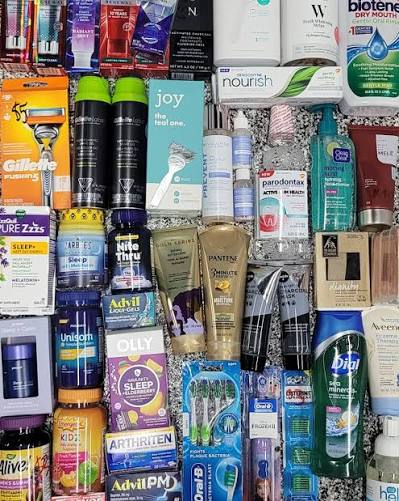
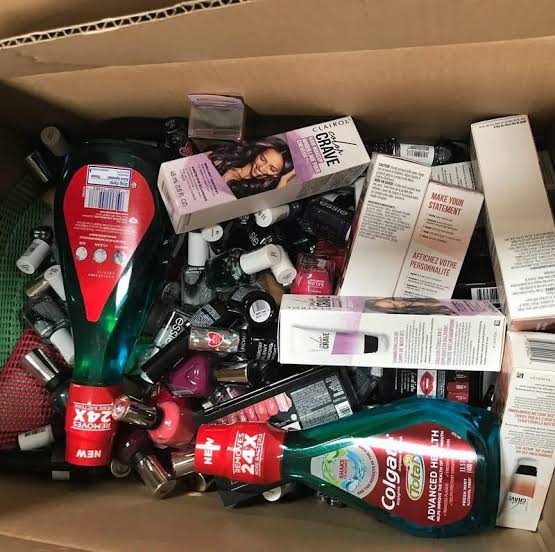
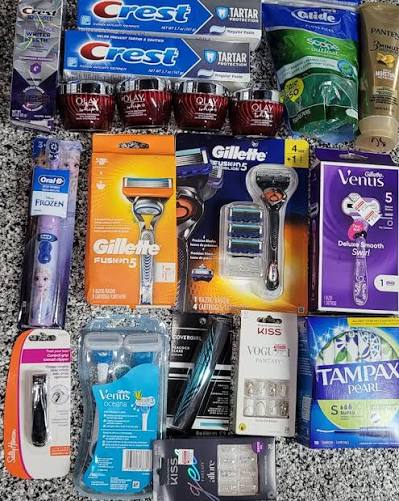
If you are looking to purchase cvs pallets for your resale business, our secondary market wholesale lots offer bulk health, beauty, and everyday household merchandise suitable for flea market vendors, bin store operators, discount retailers, and online sellers. Each liquidation pallet features an assortment of over-the-counter products, personal care items, and pantry goods sourced from retail overstock, shelf pulls, and customer returns. Selection, exact unit counts, condition grades, product mix, expiration dates, and starting prices vary depending on the specific pallet and manifest selected.
Key Listing & Manifest Details
-
Starting Price: Starting at $1,250 per pallet for eligible base lots. Final pricing varies by manifest detail, unit count, and product mix (freight shipping and applicable taxes calculated at checkout).
-
Manifest & Inventory Status: Available as both manifested lots (with itemized product spreadsheets) and unmanifested bulk assorted lots. Always verify the individual listing documentation before placing an order.
-
Items per Pallet: Typically 450 to 550 items per pallet load. Direct buyers to the individual listing description or manifest for exact unit counts.
-
Condition Grade: Mixed condition grades, including new overstock with original packaging, shelf pulls, open-box items, and uninspected customer returns. Specific condition and expiration notes are provided per listing.
-
Availability: Inventory fluctuates continuously. Buyers must confirm real-time stock availability prior to submitting payment.
-
Resale & Distribution Rules: Certain consumable or health-related items may be subject to platform resale restrictions, expiration compliance rules, safety guidelines, or regional distribution limitations. Buyers are responsible for confirming compliance on their intended sales channels.
-
Shipping & Pickup: Standard LTL freight delivery across the continental USA. Delivery charges, liftgate service fees, and local taxes are determined by destination zip code. Local dock pickup at the warehouse may be arranged upon request.
Mandatory Buyer Disclaimer: Starting price applies strictly to eligible base liquidation lots. Total delivered cost will vary based on required LTL freight shipping services, residential delivery surcharges, liftgate fees, and state/local sales taxes. Liquidation consumable lots contain a mix of retail overstock, shelf pulls, and uninspected customer returns; minor cosmetic packaging damage, store price stickers, unsealed outer boxes, or varied expiration dates may be present on a percentage of units. Resale returns, liquidation recovery rates, and profit margins are never guaranteed, as resale outcomes depend entirely on individual selling channels, market demand, compliance adherence, and pricing strategy. All third-party trademarks, brand names (including CVS Health, Beauty 360, Live Better, Gold Emblem, Just The Basics, and S&W), and logos referenced belong solely to their respective trademark owners. The sale of these secondary liquidation pallets is independent and is not sponsored by, endorsed by, or affiliated with CVS Health or its parent corporation.
How to Verify Pallet Contents Using the Manifest
-
Manifested Pallets: Include a detailed, itemized packing list showing individual product descriptions, estimated piece counts, broad category classifications, condition codes, batch/expiration details, and estimated original MSRP figures.
-
Unmanifested / Assorted Lots: Sold by bulk piece count, box count, or pallet volume without itemized product spreadsheets. Buyers must rely on the general listing description, condition grade, and representative pallet photographs provided.
-
Estimated Retail Value (MSRP): Listed manufacturer suggested retail prices (MSRP) represent historical retail references only and do not guarantee current market value, secondary market demand, or potential resale profit.
What Categories May Be Included in CVS Pallets?
-
Health & Medicine: Over-the-counter pain relievers, cold and flu remedies, allergy relief tablets, and digestive health aids.
-
Beauty & Personal Care: Skincare creams, facial cleansers, haircare shampoos, body lotions, and cosmetic accessories.
-
Vitamins & Supplements: Daily multivitamins, herbal dietary supplements, mineral tablets, and wellness softgels.
-
Snacks & Pantry Grocery: Packaged snack foods, nuts, granola bars, crackers, and shelf-stable dry goods.
-
Household & Cleaning Supplies: Paper goods, surface cleaners, laundry essentials, and everyday utility items.
-
Miscellaneous General Merchandise: Travel accessories, batteries, light bulbs, office stationery, and seasonal novelties.
Contents Disclaimer: The categories and product types listed above serve as general examples of typical inventory mix and do not guarantee exact items in any single lot. Specific brand proportions, product variations, size runs, and item quantities must be confirmed via the manifest or listing documentation for the specific pallet purchased.
Sample 500-Item Manifest Breakdown (Illustrative Example Only)
The tables below show a hypothetical sample manifest breakdown for educational and reference purposes only. They do not represent the guaranteed contents or exact item mix of any active pallet listing.
Category Breakdown Sub-Tables
Health & Medicine
| Product Type | Sample Manifest Quantity |
| Over-the-Counter Pain Relievers & Cold Care | 65 units |
| Digestive Health & Allergy Relief Products | 45 units |
| Category Subtotal | 110 units |
Beauty & Personal Care
| Product Type | Sample Manifest Quantity |
| Skincare Lotions, Creams & Facial Cleaners | 55 units |
| Haircare Shampoos, Conditioners & Body Wash | 40 units |
| Category Subtotal | 95 units |
Vitamins & Supplements
| Product Type | Sample Manifest Quantity |
| Daily Multivitamins & Mineral Supplements | 45 units |
| Specialized Herbal Extracts & Wellness Softgels | 30 units |
| Category Subtotal | 75 units |
Snacks & Pantry Grocery
| Product Type | Sample Manifest Quantity |
| Packaged Snack-Size Nuts & Dried Fruit | 65 units |
| Granola Bars, Crackers & Dry Pantry Goods | 45 units |
| Category Subtotal | 110 units |
Household & Cleaning Supplies
| Product Type | Sample Manifest Quantity |
| Surface Cleaning Sprays & Disinfectant Wipes | 35 units |
| Laundry Detergent Pods & Paper Goods | 30 units |
| Category Subtotal | 65 units |
Miscellaneous General Merchandise
| Product Type | Sample Manifest Quantity |
| Travel Accessories & Everyday Utilities | 25 units |
| Batteries, Light Bulbs & Office Supplies | 20 units |
| Category Subtotal | 45 units |
Sample Manifest Summary Table
| Merchandise Category | Sample Manifest Quantity |
| Health & Medicine | 110 units |
| Beauty & Personal Care | 95 units |
| Vitamins & Supplements | 75 units |
| Snacks & Pantry Grocery | 110 units |
| Household & Cleaning Supplies | 65 units |
| Miscellaneous General Merchandise | 45 units |
| Verified Sample Pallet Total | 500 units |
CVS Pallets: How Can You Purchase Liquidation Auctions Cost
CVS pallets consist of bulk lots of overstock, shelf pulls and customer returns, which are sold through liquidation channels. To purchase them, you must register with a B2B marketplace or verified wholesale supplier, review the manifest, set a maximum bid and arrange freight. Get any of these steps wrong and a cheap pallet can end up costing you a lot. This guide covers what you can expect to find inside, how much you can realistically expect to pay, how to calculate your margin before you bid, and whether this sourcing channel is right for your resale business.
Key Takeaways
- CVS pallets typically contain health, beauty, personal care, vitamin, snack, and household items from overstock, shelf pulls, and returns.
- Beginners should start with one manifested pallet; the manifest is your only reliable tool for calculating margin before bidding.
- Estimated retail value is not recoverable value. Work from landed cost per sellable unit, including freight.
- Prices vary widely by seller and lot, so treat all ranges here as estimates and verify supplier reputation before paying.
CVS Pallets
CVS pallets are bulk lots of unsold, returned, or rotated merchandise that CVS Pharmacy moves through wholesale liquidation channels. Inventory comes from three sources: overstock (ordered in excess), shelf pulls (removed for packaging changes, season ends, or rotation), and customer returns (often sealed or like-new, but not always). Typical lots include health products, beauty items, personal care, vitamins, snacks, and seasonal goods, often mixing CVS private labels with national brands.
Resellers buy them because the products are recognizable, everyday essentials with steady demand. Pallets commonly hold a few hundred to around a thousand pieces, though counts vary by lot, so confirm piece count on the manifest rather than assuming. Buyers include bin store owners, online resellers, flea market vendors, and discount shop operators — each wanting a different mix, which is why reading the manifest matters more than the headline price.
How Can You Purchase CVS Liquidation Pallets
The process is straightforward when you follow it in order:
- Create a buyer account with a B2B liquidation marketplace or contact a verified wholesale supplier directly. Many B2B platforms ask for a state resale certificate or sales tax permit.
- Browse current CVS lots and download the manifest for each one.
- Calculate your maximum bid from the manifest (the worksheet below shows how), then bid or buy at the fixed price.
- Get a freight quote before committing, including liftgate or residential delivery fees if you lack a loading dock.
- Confirm shipment, inspect on arrival, and photograph any damage for a claim.
Your two format choices are a single pallet — the standard entry point — and truckload orders that combine many pallets at a lower per-pallet price. Start with one manifested pallet, sell it through completely, and only scale after you know your real recovery rate.
Where Are Official CVS Liquidation Auctions Held
CVS liquidation inventory is sold to buyers via B2B liquidation marketplaces and wholesale suppliers, rather than through a single public ‘CVS auction’ page. The availability of lots rotates as distribution centres release merchandise. As platform partnerships are subject to change and I cannot verify current contracts, do not rely on any seller’s claim of being ‘official’. Instead, vet the seller by asking in writing where the loads originate, requesting a sample manifest and checking the company’s history and complaint record through its BBB business profile listing. Pallets are shipped from regional warehouses, so the cost of freight depends on your distance from the source. Get a quote before you bid, not after.
What Should You Know Before Bidding On CVS Pallets
Work through this checklist before every bid:
- Read the full manifest: categories, quantities, brands, condition grade, and flagged items.
- Cross-check a sample of listed retail prices against current Amazon and eBay sold listings.
- Set a maximum bid from your margin math and stop there, whatever the auction does.
- Confirm shipping cost, return policy, and seller terms in writing.
- Assume some percentage of any mixed lot will be unsellable and price that in.
Buyers outside the US, including the UK, should also price in international freight, customs, and import rules for medicines and cosmetics before bidding — those costs routinely erase the margin.
Why Are CVS Pallets A Smart Investment
They can be — for the right buyer, that is, and that qualification matters. Health, beauty and personal care items are in demand year-round, so sales don’t collapse in the way that they do for seasonal niches. Buying in bulk reduces the per-unit cost far below retail, leaving room for marketplace fees and booth rent if the manifest is accurate and the condition grade remains consistent.
However, profit is not guaranteed. Manifests can be inaccurate, returns can be unsellable, health and beauty products can expire, and some marketplaces can restrict or limit listings for over-the-counter medicines and supplements. Buyers lose money when they bid on estimated retail value instead of landed cost per sellable unit. This sourcing channel rewards disciplined mathematics and punishes wishful thinking. If you cannot obtain a manifest or freight quote for a specific lot, it is not an investment — it’s a gamble.
How Much Do CVS Pallets And Truckloads Cost
Prices vary by piece count, category mix, condition grade, and seller, so treat these as typical market ranges, not quotes. Single pallets commonly list from a few hundred dollars to around $2,500 for larger or premium mixes. Truckloads price lower per pallet because you’re committing to volume; a standard 53-foot trailer typically holds about 26 standard pallets single-stacked (more if floor-loaded or double-stacked where product allows). Always confirm the per-pallet math against a written quote.
| Format | Typical Pallet Count | Estimated Cost Level | Best For |
|---|---|---|---|
| Single pallet | 1 | Hundreds to ~$2,500 | First-time buyers testing the channel |
| Half truckload | ~12–13 | Lower per pallet; four to five figures total | Resellers with one profitable pallet behind them |
| Full truckload | ~24–26 | Lowest per pallet; five figures plus freight | Established operations with warehouse space |
Budget for the total landed cost, including the hammer price, freight, liftgate or residential fees, sales tax where applicable, and your sorting time. You should also vet the carrier — you can confirm their registration and safety records through the FMCSA company resources before arranging a high-value shipment.
What Pallet And Truckload Options Are Available
Three formats cover nearly every buyer. Single pallets suit new resellers: limited capital, one freight bill, a manageable sort. Half truckloads fit buyers who have sold through one pallet, measured their recovery rate, and want better per-pallet pricing. Full truckloads are for operations with warehouse space, staff to grade volume, and channels that can absorb thousands of units quickly — cash tied up in slow inventory is still a cost. Match the format to your proven sell-through, not your ambition. If your first pallet’s math didn’t work, a truckload just multiplies the problem.
What Is Inside A CVS Liquidation Pallet Manifest
A manifest is the lot’s itemized document: categories, quantities, brands, condition grade, and estimated retail value. It’s the single most important tool you have before bidding, because it lets you convert a pallet into a per-unit landed cost and compare that against realistic selling prices. It also tells you whether the lot matches your channel — an Amazon FBA seller needs sealed, retail-ready units, while a flea market vendor can monetize mixed condition. Treat manifest retail totals as the seller’s estimate, verify a sample of line items against live listings, and walk away from any manifested lot where the seller won’t share the document before purchase.
What Brands Are Included In CVS Pallets
Expect a mix of CVS private labels and national brands. Common CVS exclusive lines include CVS Health, Beauty 360, Live Better, Gold Emblem, and Just the Basics, alongside national health, beauty, and personal care brands CVS stocks. Brand recognition affects velocity: familiar national names generally convert faster and hold price better on Amazon and eBay, while private-label items often move best in bin stores, bundles, and flea market booths where shoppers buy on price. When reviewing a manifest, count the split — a pallet heavy in private labels isn’t bad, but it should price accordingly and match a channel that sells on value rather than search traffic.
What Is The Estimated Value Of A Full CVS Pallet
Estimated retail value is the sum of the listed retail prices of every item — a ceiling, not a forecast. The number that matters is your expected recovery: what sellable units will realistically bring, minus every cost. Here’s a worked hypothetical so the method is clear; plug in your own manifest figures.
| Step | Hypothetical Figure | How To Get It |
|---|---|---|
| Manifest retail value | $4,000 | Seller’s manifest total |
| Realistic recovery (30–50%) | $1,200–$2,000 | Sold-price checks on sample items |
| Landed cost | $900 | $700 bid + $200 freight and fees |
| Sellable units | 450 of 600 | Assume a defect/expiration write-off |
| Margin range | $300–$1,100 gross | Recovery minus landed cost, before fees and time |
If the margin range doesn’t clear your minimum after marketplace fees, don’t bid.
What Is The Condition Breakdown Of Items In CVS Pallets
Most CVS lots sell as mixed condition, and grade definitions vary by seller, so get them in writing. The grades below are the common framework; the resale implication column is where your margin lives.
| Grade | What It Usually Means | Resale Implication |
|---|---|---|
| New / shelf pull | Sealed, retail-ready | Amazon/eBay eligible; check expiration dates |
| Like-new / open box | Packaging opened or damaged, product untouched | eBay, bundles, bin stores; discount vs. sealed |
| Customer return | Inspected, resellable; condition varies | Test everything; expect a write-off share |
| Salvage / untested | No inspection promised | Parts, lot sales, or skip unless priced near zero |
Two warnings protect your money: health, beauty, and food items expire, so check dates before listing; and some marketplaces restrict used or opened personal care, OTC medicine, and supplements, so confirm category rules before buying a return-heavy lot.
What Color And Variety Can You Expect In CVS Pallets
Variety is the practical meaning of “color” here: a single pallet can span bright seasonal packaging (sunscreen in spring, cold and flu products in fall), everyday personal care, vitamins, snacks, and household goods. That spread serves different buyers differently. Online resellers cherry-pick high-value sealed units and bundle the rest. Flea market vendors spread colorful, recognizable packaging across a booth to pull walk-in traffic. Bin store owners use the mix to keep inventory fresh week to week. The flip side: variety without a manifest is variety you can’t price. A mixed lot is an asset only when you know the mix, the grades, and which channel absorbs each category before the pallet lands.
Should You Buy Manifested Or Unmanifested CVS Pallets
Manifested lots list the contents, so you can calculate margin before bidding — they cost more and carry less risk. Unmanifested lots are a surprise mix at a lower price, and they only make sense once you can grade and sort fast enough to absorb the duds. Beginners should buy manifested, full stop. Use this branching quiz to pick your next step; it’s general guidance, not financial advice.
Question 1: Have you sold through a full liquidation pallet before?
If yes, go to Question 2. If no, buy one manifested single pallet and stop here.
Question 2: Did you track per-unit landed cost and recovery rate?
If yes, go to Question 3. If no, repeat a manifested pallet and track those numbers first.
Question 3: Can you absorb 20–30% unsellable inventory without missing rent?
If yes, an unmanifested lot or half truckload is a reasonable test. If no, stay with manifested singles.
Who Buys CVS Liquidation Pallets
Our usual buyers include bin store owners who need a rotating inventory, Amazon and eBay resellers who want sealed units, flea market vendors who need variety, and discount shop owners who stock everyday essentials. Match the lot to the sales channel: sealed for FBA and a variety of items for bins and booths.
Hypothetical example: Dana runs a flea market stall at the weekend and buys a pallet of items listed at $800, with freight costing $220. As the manifest skews towards open-box personal care items, she prices them for volume, bundles slow-moving items at three for $10 and writes off expired items. She recoups her landed costs over three weekends — but only because she checked expiry dates and recovery rates before bidding. The same pallet would have made an FBA seller lose money.
How Can You Secure Your CVS Liquidation Pallet Today
Focus on the process, not the pressure. Create a shortlist of two or three vetted suppliers, request current manifests and written freight quotes, complete the margin worksheet for each lot and only bid up to your calculated maximum. Confirm the definitions of condition and grade, payment terms, and the procedure for making damage claims in writing before any money changes hands. If you are formalising the business side of things, such as obtaining an EIN, sales tax permit and resale certificate, the IRS small-business resources hub and the SBA business guide will talk you through the process. Once you have done the maths and a lot meets your requirements, ask the supplier to hold it against a confirmed freight quote and place the order. A good pallet at a verified price is better than a great-sounding pallet that you can’t verify.
Frequently Asked Questions About CVS Pallets
How Do You Start Reselling CVS Pallets For Profit?
Buy one manifested pallet from a vetted supplier, get the freight quote first, and photograph everything on arrival. Grade and sort by channel: sealed items to Amazon or eBay where category rules allow, open-box to bundles, booth stock, or bin sales, expired or damaged items to write-off. Track landed cost per sellable unit, fees, and actual selling price for every category. Scale to a half truckload only after that spreadsheet shows a real margin — “it sold” is not the same as “it profited.”
Can Anyone Purchase CVS Liquidation Pallets From Wholesale Auctions?
Usually yes, with paperwork. Many B2B liquidation marketplaces require a registered account plus a state-issued resale certificate or sales tax permit; some wholesale suppliers sell directly to individuals without auction registration. Requirements vary by platform and state, so confirm before you bid. The barrier to entry is genuinely low — the barrier to profit is not. Registration takes days; learning to read manifests, price freight, and grade condition is what determines whether your first pallet is inventory or an expensive education.
Related products
-
GENERAL MERCHANDISE
Buy Mattress Liquidation Wholesale Pallets: Mixed Retail Bedding
$1,450.00 Add to cart -
GENERAL MERCHANDISE
Buy New Wood Pallets: Wholesale Industrial Loads
Original price was: $1,650.00.$1,200.00Current price is: $1,200.00. Add to cart -
Cosmetic Liquidation Pallets
Buy Ariana Grande Perfume – Starting at $695 (100–120 Pieces)
$695.00 Add to cart -
GENERAL MERCHANDISE
Buy $1000 Liquidation Pallet – Starting at $1,000 (90–100 Items)
$1,000.00 Add to cart
Reviews
There are no reviews yet.