
Buy bicycle liquidation – Starting at $2,450 (24–28 Units)
$2,450.00
Starting at $2,450 per pallet (freight shipping and taxes not included)
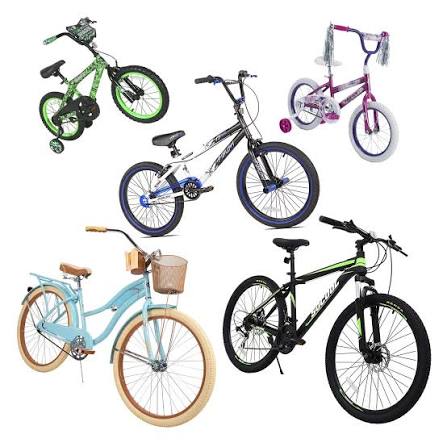
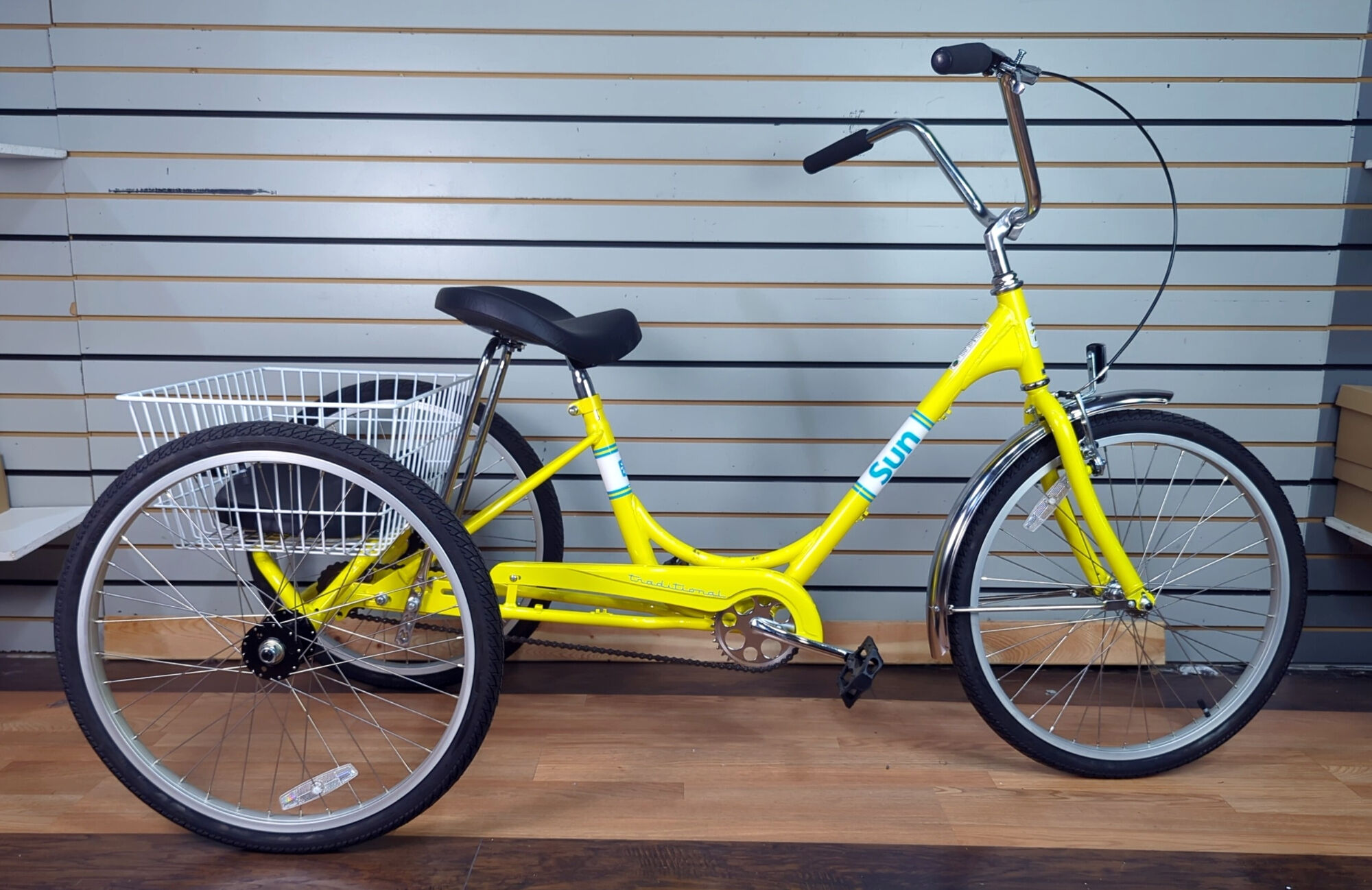
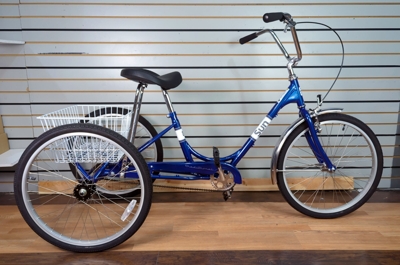
Purchasing bicycle liquidation pallets offers sporting goods retailers, bike shop operators, flea market vendors, bin store owners, and online marketplace sellers bulk inventory access to bicycles and riding gear. Sourced from major retailer overstock, store shelf pulls, and customer return streams, these wholesale loads feature an assortment of men’s, women’s, youth, and children’s models. Selection, unit count, wheel sizing (12-inch to 29-inch), condition grade, and final delivered pricing vary by specific pallet listing, making manifest verification essential prior to purchase.
Key Listing & Manifest Details
-
Starting Price: $2,450 per pallet for eligible listings (LTL freight shipping, liftgate delivery fees, and local taxes calculated separately at checkout).
-
Manifest & Inventory Status: Check individual listing details to confirm whether the lot is Manifested (itemized product list included) or Unmanifested (assorted bulk load).
-
Items per Pallet: Typically 24 to 28 bicycles per pallet. Direct buyers to the individual manifest or lot description for exact unit counts.
-
Condition Grade: Mixed condition lots may contain new factory-boxed overstock, store shelf pulls, open-box items, or uninspected customer returns. Always review individual listing condition notes prior to purchase.
-
Availability: Inventory turns over rapidly. Confirm real-time stock availability on the ordering portal before completing checkout.
-
Resale & Distribution Rules: Note any brand de-labeling requirements, serial code reporting rules, or compliance guidelines for third-party resale platforms.
-
Shipping & Pickup: Order delivery is handled via LTL freight or local warehouse pickup where available. Freight quotes depend on buyer zip code, commercial/residential delivery destination, and liftgate service requirements.
Product, Pricing & Brand Disclaimer:
Starting headline prices apply strictly to eligible pallet listings. Total delivered costs will vary based on destination zip code, mandatory LTL freight charges, liftgate options, and applicable state or local taxes. Bicycle liquidation merchandise contains a mix of overstock, shelf pulls, and uninspected customer returns; units may show outer carton wear, minor paint scuffs, missing manuals, or require mechanical adjustments (such as brake tuning, gear alignment, or wheel truing). Resale returns or profit margins are never guaranteed, as secondary market values fluctuate based on condition and seasonal weather demand. All third-party brand names, logos, and trademarks (e.g., Huffy, Schwinn, Mongoose, Kent, Roadmaster, Hyper, Genesis) are the property of their respective trademark holders. Their reference does not imply direct affiliation, endorsement, or direct sourcing authorization from the brand owners.
How to Verify Pallet Contents Using the Manifest
-
Manifested Pallets: Feature a downloadable or viewable spreadsheet listing specific SKUs, bicycle model descriptions, wheel sizes, frame types, unit quantities, assigned condition codes, and original estimated MSRPs.
-
Unmanifested / Assorted Lots: Sold by bulk box count, weight, or general category mix without line-by-line itemization. Buyers must evaluate these lots based on condition grade descriptions, category outlines, and representative pallet photos.
-
Estimated Retail Value (MSRP): Displayed original MSRPs serve strictly as historical reference points based on initial retail pricing and do not constitute a guarantee of current secondary market value, resale speed, or profit margins.
What Categories May Be Included in bicycle liquidation?
-
Kids & Youth Bicycles: Entry-level models for young riders (e.g., 12-inch to 20-inch wheel bicycles including coaster-brake cruisers, sidewalk bikes, and licensed character designs).
-
Mountain Bikes: Front-suspension and full-suspension trail bikes (e.g., 24-inch to 29-inch wheel hardtail and dual-suspension mountain bikes with multi-speed gearing).
-
Cruiser & Comfort Bikes: Relaxed riding models (e.g., 26-inch and 27.5-inch single-speed or multi-speed beach cruisers with wide comfort saddles and swept-back handlebars).
-
Hybrid & Commuter Bikes: Versatile urban transportation bicycles (e.g., 700c wheel hybrid road/city bikes with lightweight frames and multi-gear drivetrains).
-
BMX & Freestyle Bikes: Action sports bicycles (e.g., 20-inch wheel freestyle BMX bikes featuring 360-degree rotor detanglers and front/rear pegs).
-
Specialty, Folding & Electric Assist Bikes: Specialized cycling equipment (e.g., compact folding bicycles, fat-tire trail bikes, or pedal-assist electric bicycles).
Contents Disclaimer: The listed categories and product types above are illustrative examples commonly found in cycling merchandise lots and do not guarantee specific item inclusion. Exact brands, models, sizes, and unit quantities must be confirmed via the manifest or listing documentation for the specific pallet purchased.
Sample 24-Item Manifest Breakdown (Illustrative Example Only)
The tables below display a hypothetical sample manifest for educational illustration purposes only. They do not represent the guaranteed contents or exact item distribution of any active liquidation pallet.
Category Sub-Tables
Kids & Youth Bicycles
| Product Type | Sample Manifest Quantity |
| 12-Inch to 16-Inch Sidewalk Bikes | 5 Units |
| 20-Inch Youth Multi-Speed Bikes | 3 Units |
| Category Subtotal | 8 Units |
Mountain Bikes
| Product Type | Sample Manifest Quantity |
| 24-Inch to 26-Inch Hardtail Mountain Bikes | 4 Units |
| 27.5-Inch to 29-Inch Full-Suspension Trail Bikes | 2 Units |
| Category Subtotal | 6 Units |
Cruiser & Comfort Bikes
| Product Type | Sample Manifest Quantity |
| 26-Inch Single-Speed Beach Cruisers | 3 Units |
| 27.5-Inch Multi-Speed Comfort Bikes | 1 Unit |
| Category Subtotal | 4 Units |
Hybrid & Commuter Bikes
| Product Type | Sample Manifest Quantity |
| 700c Fitness & City Hybrid Bikes | 3 Units |
| Category Subtotal | 3 Units |
BMX & Freestyle Bikes
| Product Type | Sample Manifest Quantity |
| 20-Inch Freestyle BMX Bikes | 2 Units |
| Category Subtotal | 2 Units |
Specialty, Folding & Electric Assist Bikes
| Product Type | Sample Manifest Quantity |
| Compact Folding or Electric-Assist Bicycle | 1 Unit |
| Category Subtotal | 1 Unit |
Sample Manifest Summary Table
| Merchandise Category | Sample Manifest Quantity |
| Kids & Youth Bicycles | 8 Units |
| Mountain Bikes | 6 Units |
| Cruiser & Comfort Bikes | 4 Units |
| Hybrid & Commuter Bikes | 3 Units |
| BMX & Freestyle Bikes | 2 Units |
| Specialty, Folding & Electric Assist Bikes | 1 Unit |
| Verified Sample Pallet Total | 24 Units |
Bicycle Liquidation
Bicycle liquidation can help resellers buy inventory below standard wholesale pricing, but a cheap pallet is not automatically a profitable one. The real question is whether the bikes are safe, complete, repairable, and affordable after freight, fees, labor, and unsellable units. This guide explains how bicycle liquidation works, where the risks sit, what to inspect, and when buying one bike through local resale or retail clearance is the smarter choice.
Frequently Asked Questions About Bicycle Liquidation
How Does Bicycle Liquidation Work For Resellers And Buyers?
Resellers buy bulk inventory, inspect it, repair or assemble suitable units, and sell individual bicycles. Buyers must calculate all costs, including freight, fees, parts, labor, storage, and unsellable inventory. The best lot is not necessarily the cheapest pallet; it is the one with the most reliable path to safe, saleable units.
How Do You Find Trusted Bicycle Liquidators And Wholesale Suppliers?
Ask for a written manifest, current lot photos, clear payment terms, pickup instructions, and condition information. Verify the business identity, avoid pressure tactics, and begin with a manageable test purchase. Never rely on a supplier’s general category description when deciding what a specific pallet is worth.
Related products
-
Tools Pallets
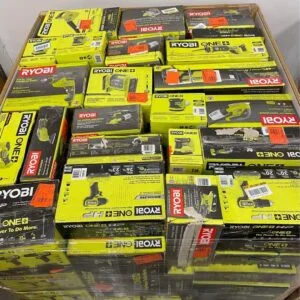
Buy Ryobi Tool Pallets For Sale (40+ Tools From $1,450)
Original price was: $1,850.00.$1,450.00Current price is: $1,450.00. Add to cart -
GENERAL MERCHANDISE
Buy beach umbrellas wholesale – Starting at $795 (90 Units)
Original price was: $995.00.$795.00Current price is: $795.00. Add to cart

Reviews
There are no reviews yet.