
Pallet Liquidation In North Dakota Are Best Fargo Frog Deals
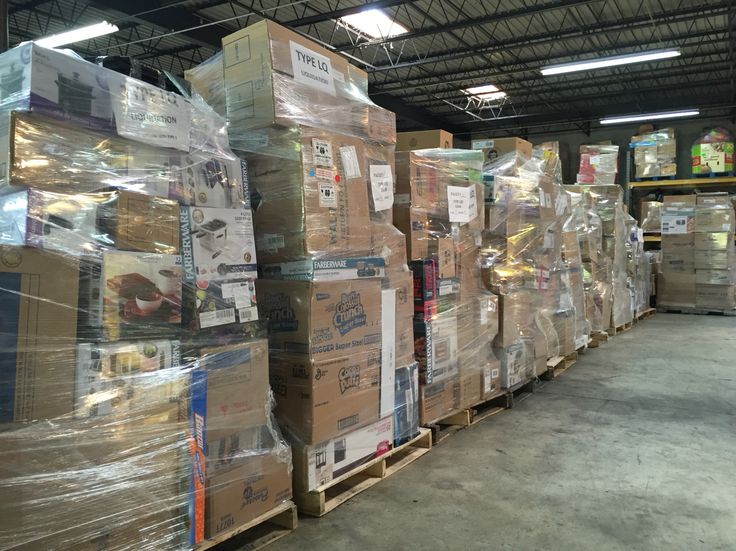
Resellers and bargain hunters can save significant money by buying liquidation pallets in North Dakota, which contain returned, overstock and shelf-pull merchandise. However, not every pallet is worthwhile, and beginners often lose money by skipping important evaluation steps. This guide explains how pallet liquidation works in North Dakota, where to find reputable stores, why Fargo and Bismarck are strong markets, and how to evaluate operations such as Green Frog Deals before making a purchase.
Table of Contents
Request A Retail Or Bulk Quote In North Dakota
Need wholesale pallets in North Dakota? Request a free retail or bulk quote today. We’ll provide competitive pricing, available inventory, and shipping options within 24 hours.
Fast Shipping And Logistics
- Orders typically ship within 2–4 business days.
- FTL and LTL shipping available across the U.S. and selected export destinations.
- Pallets are securely wrapped for safe delivery, with manifests available upon request.
- International shipping quotes are available for port or direct freight delivery.
-
Cosmetic Liquidation Pallets
Buy Michael Kors Liquidation Pallets: Designer Goods
$1,100.00 Add to cart -
Tools Pallets
Buy Milwaukee Return Pallets UK (50 Tools – $850)
$850.00 Add to cartRated 4.50 out of 5 -
Tools Pallets
Buy Milwaukee Tool Pallets Wholesale: Power Tool Lots
$1,460.00Original price was: $1,460.00.$1,450.00Current price is: $1,450.00. Add to cart


Key Takeaways
- Pallet liquidation in North Dakota offers access to overstock, returns, and shelf-pull merchandise at steep discounts below retail pricing.
- The process involves sourcing pallets from major retailers or distributors, inspecting manifests, bidding or buying at a set price, and reselling or using the goods.
- Fargo and Bismarck are the two strongest cities for pallet liquidation activity in North Dakota, with West Fargo emerging as a growing hub.
- Green Frog Deals is a notable Fargo-area liquidation business that has built a reputation for transparent pallet sales and community engagement.
- Always inspect a pallet manifest before purchasing, and prioritize stores that disclose the condition and source of merchandise.
- Online liquidation platforms expand options beyond physical stores, but local pickup eliminates shipping costs that can erase your savings.
- Beginners should start with a single mixed-category pallet to learn the process before committing to bulk purchases.
- North Dakota’s lower cost of living and reduced competition compared to coastal markets create favorable conditions for liquidation resellers.
Pallet Liquidation In North Dakota
Pallet liquidation involves selling surplus, returned, overstock or shelf-pulled merchandise in bulk. Retailers such as Amazon, Target, Walmart and Home Depot cannot reshelve every returned or unsold item. Instead, they sell these goods by the pallet to liquidation companies, which then resell them to small businesses, resellers and individual buyers at significantly reduced prices.
In North Dakota, pallet liquidation serves a dual purpose. It keeps usable products out of landfill sites and gives buyers access to merchandise that they could not afford at full price. For the state’s growing community of side-hustle resellers and small retail operators, liquidation pallets are a key source of inventory.
However, not every pallet is profitable. Some contain damaged goods, missing parts or items with cosmetic flaws that reduce their resale value. The key is to understand what you are buying before committing to a purchase. Reputable liquidation stores provide a manifest — a detailed list of the pallet’s contents, including item descriptions, estimated retail values and condition grades. Industry-standard grading typically uses categories such as A-grade (new or like-new), B-grade (minor cosmetic issues) and C-grade (functional but visibly worn). Always ask which grading system a store uses before making a purchase.
Seasonal timing also affects pallet value. January and February tend to see large volumes of holiday returns, so you can find more electronics and toys at lower prices. The post-summer months often offer outdoor equipment and seasonal clearance items. Understanding these cycles helps buyers to identify higher-value pallets rather than purchasing items at random.
What Are The Benefits Of Pallet Liquidation In North Dakota?
The most immediate benefit is cost savings. Industry sources commonly cite liquidation discounts of between 50% and 90% below retail price. However, actual savings depend heavily on the category of the pallet, the condition of the items, and the source. For example, electronics pallets marked as customer returns carry more risk than overstock home goods pallets containing unopened items.
As well as savings, pallet liquidation reduces waste. Every resold pallet is merchandise that has been diverted from landfill. In a state where conversations about sustainability are growing alongside the agricultural and energy industries, this circular economy model is popular with buyers and communities alike.
Another advantage is variety. Liquidation pallets span nearly every product category, including electronics, home goods, clothing, toys, tools and seasonal items. This variety enables resellers to test different product niches without committing to wholesale minimums from a single manufacturer.
However, these benefits only materialise when buyers account for total costs, not just the pallet price. The following table provides a realistic budget for a first purchase to help beginners plan accurately.
| Cost Category | Estimated Range | Notes |
|---|---|---|
| Pallet purchase price | $150–$500 | Varies by category, condition, and source |
| Transportation (truck rental or fuel) | $30–$100 | Depends on distance; personal truck eliminates rental cost |
| Storage space | $0–$150/month | Home garage is free; rented storage adds cost |
| Listing fees (eBay, Marketplace) | 5%–13% of sale price | eBay charges approximately 12.9%; Facebook Marketplace is often free for local sales |
| Packaging and shipping supplies | $20–$50 | Boxes, tape, bubble wrap for shipped items |
| Time investment | 8–20 hours | Sorting, testing, photographing, listing, shipping |
Before selling items, North Dakota resellers must obtain a sales tax permit from the North Dakota Office of the State Tax Commissioner. While this permit is free, it does require the collection and remittance of sales tax on taxable sales. Operating without a permit is illegal and carries penalties.
How Does Pallet Liquidation Work In North Dakota?
The process for pallet liquidation in North Dakota is straightforward, whether you buy from a local store or an online platform.
- Sourcing: Major retailers and manufacturers offload surplus inventory to liquidation companies. These companies sort, grade, and package merchandise onto pallets by category or condition.
- Listing: Pallets are listed for sale with a manifest detailing contents, estimated retail value, and condition (new, like-new, returns, salvage).
- Purchasing: Buyers either bid at auction or purchase at a fixed price. Some North Dakota stores offer walk-in purchasing, while others use online bidding platforms.
- Inspection and Pickup: After purchase, buyers inspect their pallet and arrange pickup or delivery. Most local stores offer same-day pickup.
- Resale or Personal Use: Buyers sort items, test electronics or appliances, and either resell through platforms like eBay, Facebook Marketplace, or their own stores, or keep items for personal use.
To determine whether a pallet is worth buying, calculate your potential profit beforehand. Take the manifest’s estimated retail value and reduce it by 40–60% to account for damaged, unsellable or low-demand items. Then subtract your purchase cost and all fees. Experienced resellers aim for a minimum return of double their pallet cost after all expenses.
The types of pallets available typically fall into these categories:
| Pallet Type | What It Contains | Condition Risk Level | Best For |
|---|---|---|---|
| Customer Returns | Items returned by shoppers, mixed condition | High — condition varies widely | Experienced resellers comfortable testing and grading |
| Overstock | New, unsold items from retail shelves | Low — typically unopened | Buyers wanting new-condition merchandise |
| Shelf Pulls | Products removed to make room for new inventory | Low to moderate — may have shelf wear | Resellers targeting like-new goods at lower cost |
| Salvage | Damaged or incomplete items | Very high — many items unsellable as-is | Buyers willing to repair, refurbish, or sell for parts |
Branching Quiz: Which Type Of Liquidation Pallet Should You Buy First?
Question 1: What is your primary goal?
- A) Resell items for profit online → Go to Question 2
- B) Stock a physical retail store → Go to Question 3
- C) Buy items for personal use at a discount → Consider an overstock pallet — these contain new items at the lowest risk level
Question 2: How comfortable are you testing and grading used items?
- A) Very comfortable — I can test electronics and assess condition accurately → A customer returns pallet offers the highest profit margins for skilled resellers
- B) Not very comfortable — I prefer items I can list immediately → A shelf pulls pallet offers near-new condition with less testing required
Question 3: What product category does your store focus on?
- A) General merchandise or variety → An overstock pallet provides diverse, new-condition inventory
- B) Discount or bargain goods → A customer returns pallet allows aggressive pricing while maintaining margins
- C) Specialty or repair-focused → A salvage pallet offers the lowest cost per item but requires repair skills
This quiz provides general guidance only. The actual contents of pallets vary depending on the source and availability. You should always review the manifest before making a purchase.
Where Can I Find Pallet Liquidation Stores In North Dakota?
To find pallet liquidation stores in North Dakota, you need to do some online research and network locally. The state’s market is smaller than those in coastal areas, which means there are fewer stores, but also less competition for quality pallets.
Start with online platforms. B-Stock works directly with major retailers, including Walmart and Target, to sell their liquidation inventory through verified auctions. Liquidation.com and Direct Liquidation list pallets that can be collected or shipped to addresses in North Dakota. To find physical stores, Google Maps and Facebook Marketplace are the most reliable tools. Many North Dakota liquidation stores primarily operate through Facebook, posting details of new pallet arrivals and hosting live sales events.
When evaluating any store, look for the following trust signals: manifest disclosure before purchase, a verifiable physical address, consistent positive reviews from multiple sources and a clear returns or disputes policy. Avoid any store that refuses to show you a manifest or pressures you to buy without seeing the goods first.
The difference between online and physical store options can affect your profitability directly.
| Factor | Online Platforms | Physical North Dakota Stores |
|---|---|---|
| Selection | Very wide — national inventory | Limited — local sourcing only |
| Shipping cost | $100–$400+ per pallet | $0 — personal pickup |
| Inspection before purchase | Manifest only; no physical inspection | In-person inspection often available |
| Competition | High — national buyer pool | Lower — local buyers only |
| Return policy | Varies; often limited | Varies; negotiation possible |
| Speed | 5–14 days for delivery | Same-day pickup common |
For buyers who rely on low margins, physical stores in North Dakota often offer better value for money despite having a smaller selection.
Red flags to watch for when evaluating any liquidation store:
- No manifest provided before purchase
- Refusal to allow in-person inspection
- No verifiable physical address or business registration
- Only positive reviews that appear scripted or posted simultaneously
- Pressure to buy immediately without review time
- No clear return or dispute policy
- Prices that seem unusually low compared to market rates, which may signal bait-and-switch tactics
What Are The Best Liquidation And Bin Stores In North Dakota?
North Dakota’s liquidation store scene is centred in its larger cities and comprises a variety of dedicated pallet stores and bin stores selling individual items from opened pallets.
Bin stores have gained popularity across the state. They open pallets, spread items across bins and sell everything at a flat daily rate, which typically decreases throughout the week. Fresh restock days offer the best selection at higher prices, while the final day before restocking offers the lowest prices on remaining stock. Dedicated pallet stores sell unopened pallets in their entirety to buyers who want to purchase in bulk and are comfortable sorting items themselves.
Instead of listing specific stores, which may change status without notice, it is best to verify any store independently. The North Dakota Secretary of State maintains a business search tool where buyers can confirm that a liquidation business is registered and in good standing. The online directory of the Better Business Bureau allows buyers to check for complaints and ratings. Cross-referencing both sources with recent Facebook and Google reviews provides a reasonable assessment of trustworthiness.
When comparing stores, consider the following factors: product category focus, average pallet price relative to manifest value, manifest transparency and accuracy, sourcing relationships (direct from retailer versus third-party broker) and community reputation based on multiple independent reviews. A store that consistently receives specific positive feedback from verified buyers is a better choice than one with only generic praise or no visible customer interaction.
How To Find A Liquidation Store In North Dakota?
Experienced buyers use a variety of channels to find and evaluate liquidation sources throughout the state.
Facebook Groups: Search for “North Dakota liquidation” or “Fargo pallet sales” on Facebook. Local groups share store recommendations, post reviews, and alert members to new pallet arrivals. Active groups with genuine discussion rather than only promotional posts are the most useful sources.
Google Maps: Search “liquidation store near me” or “pallet liquidation” followed by a city name. Filter by rating and prioritize stores with recent, detailed reviews from verified purchasers rather than outdated or vague ratings.
Industry Contacts: Attend local flea markets, swap meets, or reseller meetups throughout North Dakota. Other resellers frequently share store recommendations and warn about problematic operations. Building relationships within the reseller community accelerates your learning curve.
Online Platforms: Register on B-Stock or Liquidation.com and filter for pallets available in or near North Dakota. Both platforms provide buyer protection mechanisms that reduce risk compared to unverified independent sellers.
Store Verification Process:
- Search the business name on the North Dakota Secretary of State website to confirm active registration
- Check the Better Business Bureau for complaints, ratings, or unresolved disputes
- Review the store’s Facebook page for consistency, genuine customer interactions, and recent activity
- Visit in person before making any large purchase
- Ask to see a sample manifest and verify that listed items match what is actually available on the pallet
What Are The Best Cities For Pallet Liquidation In North Dakota?
Pallet liquidation activity in North Dakota clusters around its population centres. Fargo, Bismarck and West Fargo dominate the market, each offering different benefits depending on your purchasing objectives and geographical location.
Fargo benefits from being the state’s largest city and from its proximity to the Minnesota border — it is located roughly 230 miles from the Twin Cities. This geographic advantage connects Fargo to major regional distribution networks, resulting in a more consistent pallet supply and greater variety of categories. As the state capital, Bismarck has a growing small business community, creating steady demand for liquidation inventory. West Fargo offers a suburban alternative, which some store operators may find beneficial due to lower overhead costs.
| City | Key Advantage | Pallet Supply Level | Buyer Competition | Best For |
|---|---|---|---|---|
| Fargo | Largest city; closest to Twin Cities distribution | Highest in state | Moderate | Widest store selection and category variety |
| Bismarck | Central location; growing business community | Moderate | Lower | Buyers seeking less competition per pallet |
| West Fargo | Shares Fargo distribution access; suburban pricing | Moderate (shared with Fargo) | Low | Value-focused buyers willing to explore newer stores |
The level of competition directly affects buying outcomes. In metropolitan markets such as Los Angeles and Chicago, desirable liquidation pallets sell within hours of being listed. In smaller markets in North Dakota, however, pallets often remain available for longer, which gives buyers more time to evaluate manifests, compare options and negotiate prices with store operators.
What Pallet Liquidation Opportunities Exist In Bismarck?
Although Bismarck’s pallet liquidation market is smaller than Fargo’s, it offers significant advantages to buyers based in central and western North Dakota. Lower buyer numbers mean less competition for individual pallets, and the city’s central location means buyers from across the western half of the state can reach it more quickly.
Bismarck buyers should supplement local store options with online platforms that ship to central North Dakota. Several national liquidation companies offer freight delivery to Bismarck-area addresses, though shipping costs must be factored into profitability calculations carefully. The city’s growing entrepreneurial community has also fostered informal reseller networks where buyers share sourcing tips and occasionally split pallet purchases to reduce individual risk and test new product categories together.
Use Case: Scaling Reseller in Bismarck
A hypothetical reseller in Bismarck purchases one mixed-category customer returns pallet per month for $250, reselling items through Facebook Marketplace. After three months of learning which items sell quickly and which sit unsold, the reseller identifies home goods and small kitchen appliances as their most profitable categories. They shift to purchasing category-specific pallets from an online platform, spending $350 per pallet but achieving more consistent resale returns because they understand their local market demand. By month six, they add a second pallet per month and rent a small storage unit at $75 per month to manage growing inventory. Their key lesson: specializing in a proven category after initial experimentation produces more predictable results than continuing to buy random mixed pallets indefinitely.
This use case is hypothetical and illustrates a common growth pattern. Individual results vary based on pallet quality, local demand, time invested, and resale effort.
What Pallet Liquidation Opportunities Exist In Fargo?
Fargo is the primary hub for pallet liquidation in North Dakota. Its position along the I-94 corridor and proximity to the Minneapolis-St. Paul metropolitan area gives the city access to a stronger and more diverse supply chain than any other city in North Dakota. There are multiple liquidation stores, bin stores and online-hybrid operations serving the Fargo-Moorhead metropolitan area.
There is enough demand in the Fargo market for both dedicated pallet stores and bin-style retail operations. Buyers can often find pallets in every major retail category, including electronics, home improvement, clothing, and seasonal goods. The city’s active Facebook reseller community also creates a secondary market in which the contents of opened pallets are resold individually, providing liquidation buyers with another sales channel.
A critical distinction for Fargo buyers is that store sourcing relationships can vary significantly. Stores that source directly from a major retailer’s regional distribution centre generally offer better, more accurately manifested merchandise than those that buy through a third-party broker, who adds markup and may provide less reliable condition information. Therefore, it is advisable to ask any store where they source their pallets and whether they buy directly from retailers or through intermediaries before committing to a purchase.
Use Case: First-Time Buyer in Fargo
A hypothetical first-time buyer in Fargo decides to try pallet liquidation after seeing bin store posts on Facebook. They visit a local store, review a manifest for a mixed general merchandise pallet listed at $200 with an estimated retail value of $1,800. Before purchasing, they verify the store’s registration through the North Dakota Secretary of State website and check for BBB complaints. After loading the pallet into a borrowed truck, they spend a weekend sorting 45 items. Of those, 30 are in sellable condition, 10 have minor cosmetic damage but remain functional, and 5 are completely unsellable. They list items on Facebook Marketplace and eBay over two weeks, eventually selling $620 worth of merchandise. After subtracting the $200 pallet cost, $35 in eBay fees, and $15 in packaging supplies, their gross profit is approximately $370 — but they invested roughly 15 hours of work. The experience teaches them that profit per hour matters as much as total profit per pallet, and they decide to focus on higher-value categories for their second purchase.
This scenario is hypothetical and intended to illustrate the decision-making process. Actual results depend on pallet contents, condition, and local market demand.
What Pallet Liquidation Opportunities Exist In West Fargo?
West Fargo shares the distribution network advantages of Fargo, but also offers the added benefit of a suburban market. Store operators in West Fargo may benefit from lower commercial overheads than those in central Fargo, which could result in competitive pallet pricing for buyers. However, specific lease rate comparisons were not verified for this article.
Many buyers treat the two cities as a single market, visiting stores in both during the same trip. West Fargo’s ongoing residential and commercial growth has attracted new liquidation operations seeking affordable, easily accessible premises. Buyers willing to drive a few extra minutes from downtown Fargo can find equivalent merchandise categories in West Fargo stores with fewer competing buyers.
The practical difference comes down to scale. Fargo has more established stores and higher inventory turnover rates. West Fargo has fewer options, but significantly less competition from other buyers per available pallet. First-time buyers who feel overwhelmed by the larger and faster-moving Fargo market sometimes find West Fargo stores more approachable. Staff there have more time to walk newcomers through the buying process and review manifests together.
What Is Green Frog Deals Pallet Liquidation In Fargo?
Green Frog Deals is a liquidation business based in the Fargo area that has developed a strong presence in the North Dakota pallet liquidation community, primarily through active engagement on social media. Based on publicly available social media activity, it appears that the business focuses on liquidation pallets and individual items sourced from major retailers.
Buyers should verify Green Frog Deals’ current operating status, location, and policies directly before purchasing. Like any liquidation business, operating details can change, and information available at the time of this writing may not reflect current conditions.
Green Frog Deals stands out in the local market thanks to its community-driven approach to sales. Its regular social media posts about new pallet arrivals, live unboxing events and direct customer interaction create a level of transparency and engagement that many liquidation operations lack. This social media presence also allows prospective buyers to gain insight into the business’s consistency and patterns of customer satisfaction before committing money.
When evaluating Green Frog Deals or any other liquidation store in the Fargo area, consider the following assessment criteria:
- Does the store provide a manifest before purchase? Transparency about pallet contents is non-negotiable for informed buying.
- Can you verify the business through official channels? Check the North Dakota Secretary of State and the Better Business Bureau for registration status and complaint history.
- Does the store disclose sourcing relationships? Knowing whether pallets come directly from retailers or through brokers affects merchandise quality expectations.
- What is the return or dispute policy? Understand your options before purchasing.
- Do independent reviews from multiple buyers confirm the store’s reputation? Look for reviews across Google, Facebook, and local reseller groups rather than relying on any single source.
How Did Green Frog Deals Start Pallet Liquidation In Fargo?
Green Frog Deals entered the Fargo pallet liquidation market as part of the wider expansion of liquidation businesses, which was driven by the growth of e-commerce returns. As online shopping volumes increased, particularly after 2020, retailers needed to offload substantially more returned merchandise. The National Retail Federation estimated that US retail returns reached $743 billion in 2023, accounting for around 14.5% of total retail sales. This significant return volume presented a major opportunity for entrepreneurs willing to establish the necessary logistics and retail infrastructure to resell returned and surplus goods locally.
The Fargo market was well-positioned for this growth. Its population, access to distribution through the I-94 corridor and active reseller community created strong demand for local liquidation options that did not require buyers to rely exclusively on expensive national online platforms.
Green Frog Deals’ growth reflects a pattern seen in liquidation markets across the country: businesses with an accessible physical or social media presence, transparent sourcing practices and consistent pallet quality tend to build communities of loyal repeat buyers faster than competitors with less visibility. While the business’s social media track record can be a useful starting point for prospective buyers, direct verification through official channels and personal store visits is still the recommended approach before making any significant purchases.
First-time pallet buyers should avoid common mistakes, regardless of which store they choose:
| Mistake | Why It Happens | How To Avoid It |
|---|---|---|
| Buying without reviewing the manifest | Excitement or pressure from a “limited time” listing | Always request and review the full manifest before committing any money |
| Ignoring shipping costs for online purchases | Focus on low pallet price without calculating total delivered cost | Add shipping, platform fees, and local transport to your total cost before comparing options |
| Overestimating resale value | Using full retail price as the expected selling price | Estimate realistic resale at 30–50% of retail for used items; lower for damaged goods |
| Skipping item testing before listing | Assuming all items in a pallet function as described on the manifest | Test every electronic and mechanical item individually before listing for sale |
| Not understanding sales tax obligations | Assuming casual reselling does not require permits or tax collection | Obtain a North Dakota sales tax permit before your first resale transaction |
| Buying too many pallets at once | Overconfidence after one successful purchase experience | Start with one pallet, learn the full process, track every cost, then scale gradually |
Pallet liquidation in North Dakota presents a genuine opportunity for resellers, small business owners and individuals looking for a bargain who are willing to invest time in thoroughly learning the process. Compared to saturated coastal markets, the state’s lower competition and growing liquidation infrastructure create a favourable environment. However, profitability depends entirely on careful store evaluation, realistic cost calculation, disciplined purchasing decisions and consistent effort. If you are ready to start, begin with a single pallet from a verified local store. Track every dollar spent and earned, and use these results to guide your next purchase with confidence.
Frequently Asked Questions Pallet Liquidation in North Dakota
Is pallet liquidation legal in North Dakota?
Yes, it is completely legal to buy and resell liquidation pallets in North Dakota. However, anyone reselling items must obtain a free sales tax permit from the North Dakota Office of the State Tax Commissioner. This permit obliges you to collect applicable sales tax from buyers and remit it to the state according to your assigned filing schedule. Depending on your sales volume, this can be monthly, quarterly, or annually. Failing to obtain this permit before reselling is a violation that can result in penalties and back taxes. Purchasing pallets for personal use does not require any special permits or licences.
How much does a liquidation pallet cost in North Dakota?
Yes, it is completely legal to buy and resell liquidation pallets in North Dakota. However, anyone reselling items must obtain a free sales tax permit from the North Dakota Office of the State Tax Commissioner. This permit obliges you to collect applicable sales tax from buyers and remit it to the state according to your assigned filing schedule. Depending on your sales volume, this can be monthly, quarterly, or annually. Failing to obtain this permit before reselling is a violation that can result in penalties and back taxes. Purchasing pallets for personal use does not require any special permits or licences.
Can I buy liquidation pallets online and ship them to North Dakota?
Yes, several national platforms offer delivery of liquidation pallets to addresses in North Dakota. B-Stock, Liquidation.com and Direct Liquidation are among the most well-known options. However, the shipping cost for a single pallet typically ranges from $100 to $400 or more, depending on the weight and dimensions of the pallet, and your distance from the distribution warehouse. These shipping charges can significantly reduce or even eliminate your profit margin. Before making a purchase online, calculate the total cost of delivery (pallet price plus shipping plus any platform or buyer fees) and compare it with the cost of buying locally with free collection. Online purchasing makes financial sense when specific product categories are unavailable locally or when the per-item value is high enough to cover the shipping costs.