
Pallet Liquidation In New Hampshire: Can Source Online Pallets
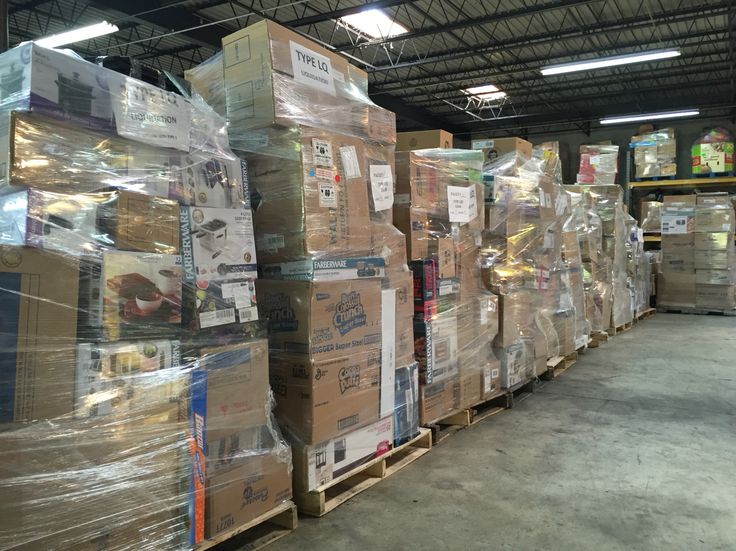
Pallet liquidation in New Hampshire provides resellers, bin store owners and small businesses with direct access to surplus, returned and excess stock from regional warehouses. The state is located within driving distance of major distribution routes in New England, meaning inventory from large retailers regularly moves through in-state facilities. For savvy buyers, this proximity translates into lower shipping costs, faster restocking and a consistent supply of branded merchandise at wholesale prices.
Table of Contents
Request A Retail Or Bulk Quote In Hampshire
Need wholesale pallets in Hampshire? Request a free retail or bulk quote today. We’ll provide competitive pricing, available inventory, and shipping options within 24 hours.
Fast Shipping And Logistics
- Orders typically ship within 2–4 business days.
- FTL and LTL shipping available across the U.S. and selected export destinations.
- Pallets are securely wrapped for safe delivery, with manifests available upon request.
- International shipping quotes are available for port or direct freight delivery.
-
Foot Wear Pallets
Buy Crocs Wholesale Footwear Pallet Lot: From $2,500 | 200 Pairs
$2,500.00 Add to cartRated 4.25 out of 5 -
Foot Wear Pallets
Buy Crocs Wholesale Shoe Pallet For Sale: $1,100 | Footwear Lot
$1,100.00 Add to cartRated 4.50 out of 5 -
GENERAL MERCHANDISE
Buy CVS Pallets For Sale: From $1,250 | Health & Beauty Lot
$1,450.00Original price was: $1,450.00.$1,250.00Current price is: $1,250.00. Add to cart -
Tools Pallets
Buy DeWalt Returns Pallet USA (200 Units – $4,500)
$4,500.00 Add to cartRated 4.83 out of 5




Key Takeaways
- New Hampshire offers a mix of in-state warehouses and access to larger New England hubs for truckload buying.
- Walk-the-floor inspection at certain warehouses lets buyers hand-pick items before committing.
- Online B2B marketplaces such as B-Stock connect New Hampshire buyers to major retailer returns nationwide.
- Inventory mix varies by supplier and season, so building relationships with two or three sources stabilizes stock.
- First-time buyers should confirm pickup logistics, payment terms, and return policies before completing a purchase.
Pallet Liquidation In New Hampshire
New Hampshire has become an important stop on the New England liquidation route. The state is located within driving distance of major distribution routes between Boston, Portland and central Massachusetts, ensuring a steady flow of surplus, returned and overstocked merchandise through regional warehouses. This proximity cuts down on both shipping costs and the time it takes to restock for resellers running bin stores, flea market booths, online storefronts, or small retail shops.
Buyers in the state can choose to source directly from in-state warehouses or access larger regional hubs just across the border in Massachusetts and Rhode Island. In-state options tend to focus on smaller pallet quantities and individual items, which suits bin store owners and hobbyist resellers. Regional hubs typically handle full truckloads, which suits higher-volume operations that need to move product quickly at wholesale prices.
The product categories available vary widely depending on the supplier and the time of year. Electronics, small appliances, home goods, apparel, footwear, toys, and health and beauty items all cycle through New Hampshire warehouses. Seasonal merchandise such as holiday decorations, summer outdoor equipment and back-to-school supplies tends to arrive in waves tied to retailer clearance cycles, so buyers who recognise these patterns often get the best selection.
Where Can You Find Pallet Liquidation Warehouses In New Hampshire?
There are several physical liquidation warehouses operating in and around New Hampshire, each with its own buying model. Most follow a similar process: buyers schedule a visit, walk around the warehouse or staging area, inspect the available stock, and make purchases on the spot. Some require appointments, while others welcome walk-ins during opening hours. As payment methods vary, it is advisable to confirm which forms are accepted (cash, card, business cheque or wire transfer) ahead of time to avoid any surprises at pickup.
What Does J.A.D. Liquidations Offer In Newton?
Available sources describe J.A.D. Liquidations in Newton as offering both full pallets and individual merchandise, making it a practical stop for bin store owners and resellers who want flexibility. The warehouse operates a walk-the-floor inspection process, enabling buyers to examine the merchandise in person before making a purchase. This hands-on access is important when inventory quality can vary from pallet to pallet, as it enables buyers to separate higher-value items from mixed lots before paying.
What Makes Elite Liquidations In Nashua A Top Choice?
Available sources describe Elite Liquidations in Nashua as refreshing its inventory on a weekly basis by pulling items from overstock and shelf-pull programmes tied to major retailers. Shelf-pull items are products that are removed from store shelves before being sold at full retail price. This is often because the packaging has been damaged, the product has been discontinued, or the seasonal inventory needs to be rotated. For resellers, this means a steady supply of well-known brands rather than mixed lots of unbranded products. The weekly turnover also means that repeat buyers are unlikely to see the same inventory twice in a row.
How Does Patriot Liquidating In Rochester Operate Differently?
Available sources describe Patriot Liquidating in Rochester as specialising in commercial asset recovery rather than selling individual pallets to small resellers. This means that the company handles bulk inventory buybacks, business liquidations and property evaluations for companies looking to offload large quantities of merchandise. Businesses in New Hampshire that need to clear warehouse space, close a product line or reduce inventory at an estate level can request an evaluation directly from Patriot. This makes them a better partner for higher-volume or commercial transactions than for walk-in reseller sales.
Which Major Retailers Supply Liquidation Pallets To New Hampshire Buyers?
The merchandise arriving in New Hampshire warehouses originates from a familiar set of sources. Major national retailers generate a constant stream of returns, items damaged by customers, seasonal overstock and packaging-only damage. Rather than absorbing the cost of storing that inventory, retailers sell it on to liquidation partners, who then distribute it to regional warehouses.
While the specific mix varies depending on the warehouse’s sourcing relationships, New Hampshire buyers commonly see merchandise tied to big-box retailers, online-first brands, and large general merchandisers. Returns make up a significant proportion of liquidation stock and range from items that customers have simply changed their mind about to products with visible damage, missing accessories or opened packaging. For resellers, one of the most important variables in pricing is the difference between manifested and unmanifested pallets.
What Types Of Merchandise Can You Expect In New Hampshire Pallets?
The inventory mix of pallets in New Hampshire shifts with the seasons and according to what retailers are clearing out. Categories that appear consistently include:
- Electronics and small appliances including phone accessories, headphones, kitchen gadgets, and personal care devices.
- Home goods such as kitchenware, bedding, decorative items, and storage solutions.
- Apparel and footwear often arriving in mixed-size lots from returns and end-of-season clearance.
- Toys and seasonal merchandise including holiday décor, summer outdoor gear, and back-to-school items.
- Health and beauty products ranging from skincare to over-the-counter personal care.
The choice of supplier is important here. A warehouse that primarily pulls from one retail category will deliver a more focused inventory, whereas general merchandisers produce the wide, mixed lots that bin stores rely on.
Pallet Condition Grades at a Glance
| Grade | Typical Contents | Best Fit For | Pricing Position |
|---|---|---|---|
| Manifested retail returns | Known brand mix, itemized list | Resellers with category focus | Higher per-unit cost |
| Shelf-pulls | Unopened retail packaging | Online resellers, flea market sellers | Mid-range |
| Unmanifested mixed | Unknown contents, bulk packaging | Bin stores, lot buyers | Lower per-unit cost |
| Customer-damaged | Visible wear or missing parts | Discount resellers, parts sellers | Lowest per-unit cost |
Are There Regional Liquidation Options Near New Hampshire?
For buyers requiring higher volumes than can be supplied by in-state warehouses, nearby regional hubs in Massachusetts and Rhode Island can fill the gap. These facilities usually handle truckload quantities rather than individual pallets, making them ideal for resellers with well-established operations, export buyers and chain stores that need to restock on a large scale.
What Does SCD Sales And Liquidation In Johnston Provide?
Available sources describe SCD Sales and Liquidation in Johnston, Rhode Island, as focusing on regional truckload purchasing. Their model is designed for buyers who want volume pricing and have the capacity to handle larger shipments, typically pallet-sized or full truckloads. The inventory here tends to be bulk-oriented, with less focus on hand-picking individual items, resulting in a different buying experience to that of a walk-the-floor warehouse. For buyers in New Hampshire willing to make the drive or arrange freight, SCD offers purchasing power that smaller in-state warehouses cannot match.
Can You Source Pallets Online Instead Of In Person?
Yes, and many buyers in New Hampshire now use online B2B liquidation marketplaces to complement in-person sourcing. The trade-off is simple: online buying offers convenience and a broader inventory, as well as access to national retailers, whereas in-person buying gives you the chance to inspect merchandise before paying.
Online marketplaces handle bidding, fixed-price listings and direct purchase options. Buyers can browse manifestos, view product photos, and arrange shipping directly to a New Hampshire address. However, online lots are usually sold as seen, so there is no opportunity to inspect them beforehand. This means that buyers have to learn to evaluate manifests carefully and start with smaller purchases before scaling up.
Online vs. In-Person Sourcing Comparison
| Factor | In-Person Warehouse | Online Marketplace |
|---|---|---|
| Inventory inspection | Hands-on before purchase | Manifest and photos only |
| Geographic reach | Local or regional | National retailer access |
| Order size | Single pallets to truckload | Pallet lots and truckload |
| Shipping responsibility | Buyer arranges pickup | Marketplace or third party |
| Payment terms | Cash, card, wire | Platform-specific |
| Best fit for | Bin store owners, local resellers | High-volume and remote buyers |
What Are B-Stock Solutions And How Does It Work?
B-Stock Solutions operates one of the largest official B2B liquidation marketplaces, connecting major retailers directly with bulk buyers. Retailers can list their returned, overstocked and customer-damaged inventory on the platform, where approved buyers can then bid on pallets or purchase them at fixed prices. Each listing includes a manifest detailing the contents, condition grade and number of units or pallets available. Bidders usually need to register as a business, agree to the platform’s terms and conditions, and arrange either collection from the retailer’s regional facility or third-party shipping to New Hampshire. B-Stock fills a role that local warehouses cannot for buyers who want national-scale access to recognisable brand returns without leaving the state.
How Do You Choose The Right Liquidation Warehouse For Your Business?
The right warehouse for a buyer depends on the type of business they are running. The table below matches common buyer profiles to warehouse characteristics.
Warehouse Selection by Buyer Type
| Buyer Type | Best Fit | Key Reason |
|---|---|---|
| New bin store owner | Walk-the-floor warehouse | Hands-on selection, low minimums |
| Online arbitrage seller | Weekly-turnover warehouse with manifests | Predictable inventory and brand mix |
| Commercial liquidation client | Asset recovery specialist | Bulk buybacks and property evaluation |
| Export or high-volume buyer | Regional truckload hub | Volume pricing and freight coordination |
| Casual or first-time buyer | Mixed individual-item warehouse | Flexibility to test small lots |
Confirm the warehouse’s buyer focus before visiting. For example, a facility that caters to commercial accounts may not accommodate walk-in resellers, and a warehouse oriented towards bin stores may not offer the truckload volumes needed by an export buyer.
What Should First Time Buyers Know Before Purchasing A Pallet?
Taking a few practical steps can save first-time buyers from making costly mistakes. Use this checklist when visiting a warehouse for the first time or making an online purchase.
First-Time Buyer Checklist
- Inspect before paying when possible. Walk the floor if the warehouse allows it, or review photos and manifests carefully if buying online.
- Confirm pickup logistics. Ask about loading help, dock hours, vehicle requirements, and whether the warehouse offers delivery.
- Clarify payment terms. Some warehouses require cash or wire transfer, while others accept business checks or cards.
- Understand return policies. Most liquidation sales are final, but it is worth confirming before completing a purchase.
- Verify the business. Check the warehouse’s reputation through the Better Business Bureau and online reviews before committing.
- Start small. A first purchase of one or two pallets lets you evaluate the supplier before committing to larger orders.
- Plan for storage. Have a clear space ready before pickup so merchandise does not sit in a truck or garage.
How Does Pallet Liquidation Support Local Resellers And Bin Stores?
Small resale businesses rely on consistent access to liquidation stock to keep their shelves stocked. Bin stores in particular rely on a rotating selection of diverse merchandise to encourage repeat custom, and sourcing this variety through traditional wholesale channels can be challenging. Pallet liquidation enables bin store owners to refresh their inventory weekly without committing to long-term wholesale contracts or large minimum orders.
Proximity to New Hampshire warehouses also reduces friction. Lower shipping costs, shorter delivery times and the option of picking up pallets in person help small businesses maintain tight cash flow and fast inventory turnover. For resellers running online stores, the advantage of being able to inspect stock in person reduces the risk of receiving unsellable items, which protects margins directly.
Use Case: A New Hampshire Bin Store’s Monthly Sourcing Plan
A bin store owner in Manchester, New Hampshire, runs a 1,200-square-foot store with a monthly inventory budget of $3,000. Their sourcing mix looks like this:
- Week 1: Visit a walk-the-floor warehouse in-state. Spend about $800 on two pallets of mixed home goods and apparel for bin rotation.
- Week 2: Bid on a manifested retail return lot through an online marketplace. Spend about $700 on a single pallet of name-brand electronics accessories.
- Week 3: Make a regional run to a Rhode Island truckload hub with a friend who splits the order. Spend about $1,000 on a shared pallet layer of general merchandise.
- Week 4: Hold a clearance event using slower-moving items and use the freed-up cash to prepay the next month’s first warehouse visit.
This mix provides the owner with variety, predictable inventory turnover and a buffer for slow weeks. The owner confirmed that verifying the opening hours and payment terms of each warehouse before visiting saved them from making multiple unnecessary trips in the first six months.
Frequently Asked Questions About Pallet Liquidation In New Hampshire
Where Can You Buy Pallet Liquidation In New Hampshire?
Buyers can source pallets from in-state warehouses such as J.A.D. Liquidations in Newton, Elite Liquidations in Nashua and Patriot Liquidating in Rochester, as well as from regional hubs in Massachusetts and Rhode Island. Online B2B marketplaces such as B-Stock also connect buyers in New Hampshire to major retailers’ inventory nationwide.
What Should You Look For In Pallet Liquidation Warehouses In New Hampshire?
Look for warehouses that provide manifestos or condition grades, allow inspections before purchase and have transparent pricing. It is also worth confirming before visiting whether the warehouse offers flexible pickup options, accepts various payment methods, and caters to resellers or commercial accounts.