
Pallet Liquidation In Michigan: Pick Right Reselling Pallets
Pallet liquidation in Michigan gives resellers access to overstocked items, returns and closeout stock from major retailers at significantly reduced prices. Local warehouses eliminate expensive freight charges and enable buyers to inspect items before purchase. This guide helps buyers to navigate manifested loads, mystery boxes and truckloads, and to avoid the common pitfalls that can erode profit margins.
Table of Contents
Request A Retail Or Bulk Quote In Michigan
Need wholesale pallets in Michigan? Request a free retail or bulk quote today. We’ll provide competitive pricing, available inventory, and shipping options within 24 hours.
Fast Shipping And Logistics
- Orders typically ship within 2–4 business days.
- FTL and LTL shipping available across the U.S. and selected export destinations.
- Pallets are securely wrapped for safe delivery, with manifests available upon request.
- International shipping quotes are available for port or direct freight delivery.
-
Electronic Pallets
TV Pallets Liquidation For Sale In UK ($900 for 10 brand-new)
$1,801.08 Add to cartRated 4.50 out of 5 -
WHOLESALE LIQUIDATION PALLETS
Undelivered Mail For Sale UK (500 Parcels – $1,500 Joblot)
$1,500.00 Add to cartRated 4.60 out of 5



Key Takeaways
- Local Michigan sourcing cuts freight costs by 60-80% compared to national liquidators shipping cross-country.
- Manifested pallets provide inventory lists for safer buying; unmanifested pallets carry higher risk but potential rewards.
- West Michigan warehouses offer the best balance of inventory variety and accessibility for most resellers.
- Always inspect pallets personally and verify supplier credentials through Michigan LARA before large purchases.
- Calculate all hidden costs including testing, repairs, disposal, and marketplace fees when evaluating profit potential.
Pallet Liquidation In Michigan
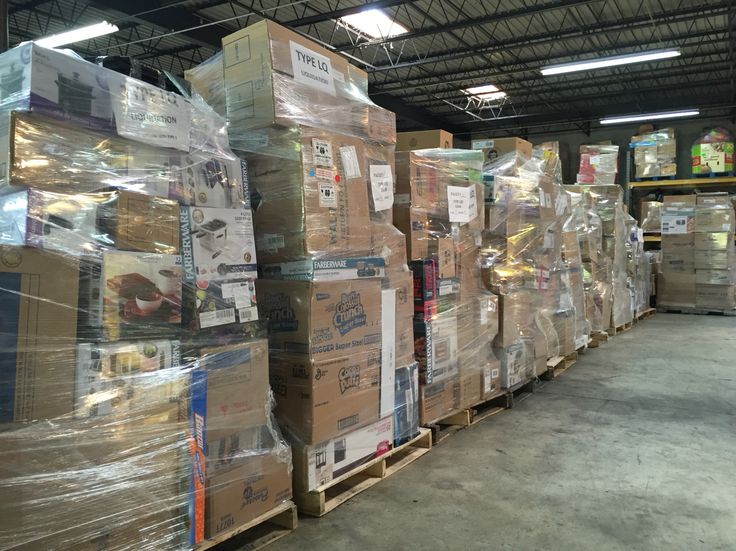
Michigan boasts a thriving liquidation market, connecting major retail supply chains with independent resellers across the Great Lakes region. Buyers can source overstock goods, customer returns, store closeouts and unclaimed merchandise directly from regional distribution hubs in Grand Rapids, Detroit and the surrounding area. This local availability reduces the exorbitant freight costs that typically consume 30–50% of reselling profits when ordering from national liquidators.
Understanding pallet types is crucial for protecting your capital. Manifested pallets come with a detailed inventory list showing exactly which items are included and their estimated retail value. Unmanifested pallets are sold as seen without an itemised list, so you need to be able to inspect them visually. Mystery pallets contain completely sealed packages, which are often used for social media unboxing videos and viral marketing content.
Truckloads represent large shipments intended for established buyers with spacious warehouses and loading docks. Individual liquidation items are single, high-value products sold at a discount for quick resale. Each inventory type serves a specific business model and risk tolerance level.
The main audiences for these products are online resellers who sell individual items on platforms such as eBay or Poshmark; flea-market vendors who rely on cheap mixed merchandise to attract bargain hunters at the weekend; discount bin store owners who require high volumes to keep their shelves stocked; and entrepreneurs testing their first inventory purchases as a side hustle.
What Are The 9 Best Liquidation Pallets Stores In Michigan?
Michigan is home to several notable liquidation warehouses that cater to the needs and experience levels of different resellers. GRP Liquidations serves the West Michigan area, offering general merchandise and guidance suitable for beginners. Detroit Pallet Liquidation is located in the metro area and caters to urban resellers seeking quick inventory turnover. Liquidation Surplus Co. offers regular truckload deliveries to volume buyers across central Michigan.
PALLETS-R-US provides a range of home goods and electronics for more experienced sellers. Elm Street Wholesale caters to new buyers testing smaller loads. Hot Spot Pallet Liquidations specialises in fast-moving consumer goods. Mid-Michigan Liquidation serves the central region with mixed lots of various kinds. Other facilities include UpLiquidation, C&H Pallet Liquidators, Select Liquidation, Jackson Liquidation Centre and Pallet Liquidation Depot.
| Supplier Name | Primary Region | Best For | Verification Status |
|---|---|---|---|
| GRP Liquidations | West Michigan | General merchandise, beginners | Verify via Michigan LARA |
| Detroit Pallet Liquidation | Metro Detroit | Urban resellers, quick turns | Check BBB rating |
| Liquidation Surplus Co. | Central Michigan | Truckload buyers, volume | Confirm insurance coverage |
| Elm Street Wholesale | Mid-Michigan | Small load testing | Review customer feedback |
Contact GRP Liquidations directly to find out about the current availability of pallets, to receive guidance on using the warehouse, and to get customised purchasing assistance tailored to your business model and budget constraints.
How Should Buyers Compare GRP Liquidations With Other Michigan Suppliers?
When comparing GRP Liquidations with other local liquidation warehouses, it is important to evaluate factors such as product variety, pricing transparency, inventory turnover rates and the quality of customer support. A warehouse with a high turnover rate will generally offer fresher inventory rather than merchandise that has been sitting around for weeks. It is also important to choose a supplier who is honest about the condition of their returns and transparent about their manifest accuracy rates.
It is customer support that differentiates successful partnerships from one-time transactions. While some warehouses treat buyers as just another number, others provide guidance on which pallets are suitable for specific selling platforms such as Amazon FBA, eBay, or Facebook Marketplace. See how responsive a supplier is when you call to ask about their latest stock, loading procedures or returns policy for listed items.
Warehouse Inspection Checklist:
- Check shrink wrap integrity for signs of rewrapping or tampering
- Look for water damage, crushed boxes, or leaning pallets
- Verify manifest accuracy by spot-checking visible box labels
- Confirm forklift availability and loading dock conditions
- Review return policy for manifested items in writing
- Ask about cherry-picking policies and restocking frequency
Always check the physical condition of the pallet before making a purchase. Look out for severe water damage, crushed boxes in the bottom layers or evidence of cherry-picking, where valuable items have been removed. Make sure you clearly understand the purchase terms, estimated retail value claims and exact collection requirements before paying or signing any agreements.
Why Is West Michigan Your Liquidation Destination?
West Michigan has become a popular destination for pallet buyers travelling from Grand Rapids, Wayland, Cedar Springs, Holland and other nearby towns and cities. The area boasts excellent highway infrastructure, including the I-96, I-196 and US-131, which makes it easy for commercial vehicles and standard pick-up trucks to navigate between warehouses and retail locations. This accessibility generates consistent footfall for local liquidation facilities.
The primary advantage of sourcing locally in West Michigan is the dramatic reduction of freight expenses. Standard Less-Than-Truckload freight from national liquidators can add $150-300 to a single pallet purchase, consuming 30-50% of potential profit margins. Sourcing locally allows you to load inventory directly into your own vehicle, immediately improving your bottom line and cash flow for reinvestment.
The critical benefit of local warehouses is that you can inspect items before purchase. You can examine shrink-wrapped pallets, check the branding on visible boxes and assess the overall condition. You can also sometimes request to open a corner of a box for verification. This visual check is completely lost when you order blindly online from national liquidators who ship via freight carriers.
Local suppliers in West Michigan serve both ends of the reselling spectrum effectively. New resellers can safely purchase their first mixed merchandise pallet with the help of experienced warehouse staff who understand local market demands. Meanwhile, established wholesale businesses can negotiate recurring truckload contracts to ensure a constant supply to their retail storefronts while building long-term supplier relationships.
How Does Wholesale Pallet Sales Work In Michigan?
The process of buying wholesale pallets from a Michigan liquidation warehouse is structured to ensure you secure the right inventory without any logistical issues or unexpected costs. Following these steps systematically protects your investment and helps you build strong relationships with your suppliers.
- Research local warehouses online and identify the product categories they currently stock through social media or inventory lists.
- Contact the facility by phone to confirm inventory availability, ask about appointment requirements, and verify current pricing structures.
- Visit the warehouse during business hours to visually inspect pallets, checking for visible damage, specific brands, and overall condition.
- Review pricing labels, manifest documents if available, purchase terms, return policies, and loading procedures before committing.
- Complete payment through accepted methods and have warehouse staff load pallets into your vehicle using appropriate forklift equipment.
Manifested pallets provide detailed itemised lists, making them safer for beginners, but they are generally more expensive per unit. Unmanifested pallets are a calculated gamble, offering higher potential margins but with an unknown exact contents, so sorting skills are required. Mixed merchandise pallets contain a variety of items, making them ideal for flea markets and bargain stores. For serious wholesale operations, truckload purchases scale this process to 24 or more pallets.
The value of a pallet depends heavily on the product category, condition, brand reputation and current retail demand in your specific market. High return rates in the electronics category mean that you may have to conduct more testing and repairs, which reduces the initial wholesale price compared to the recommended retail price (RRP), but requires technical skills to be profitable.
What Are Mystery Box Pallets?
Mystery box pallets contain large quantities of sealed packages, and the buyer has no idea what items are inside until they open them. They differ entirely from standard liquidation pallets, which usually have visible boxes or manifests documenting the contents. Their appeal lies in the complete surprise of the unboxing experience and the potential to discover high-value items at significant discounts.
It is the potential for higher profit margins that drives interest in these items. A buyer might pay a low flat rate and find expensive electronics, designer clothing or collectable items that are worth many times the purchase price. However, the risks are substantial and are often underestimated by beginners. You will inevitably encounter damaged goods, missing parts, unsellable junk and items with zero resale value that you will have to dispose of at your own expense.
Interest in mystery inventory has been amplified by social media platforms. TikTok’s mystery box trend, in which influencers buy sealed pallets purely to film their reactions while opening unknown packages, has taken off. This has led to a significant increase in retail interest in surprise inventory across Michigan warehouses, with prices sometimes being driven up by increased demand from content creators rather than serious resellers.
Where Can You Find Unclaimed Mail Pallets?
Unclaimed mail pallets consist of undelivered or returned shipments that logistics companies have been unable to deliver to the correct recipient after multiple attempts. When storage limits at carrier facilities are reached, these packages are sold at wholesale auctions to free up warehouse space and recover some value. These pallets then enter the supply chain via major wholesale auctions and local liquidators, who purchase them from carriers.
These packages differ significantly from standard customer returns or retail overstock inventory. Customer returns are items that have been opened and sent back by consumers and often show signs of use. Store closeouts, on the other hand, are brand-new items that were removed from the shelves with their original packaging. DHL returned mail pallets and USPS unclaimed lots are often completely unopened, meaning the items inside remain in the condition they were in when they were shipped, although they may have been in transit for extended periods.
Always ask your local supplier about their sorting practices for these loads before making a purchase. Ask about the shipping origins, the general condition of the boxes and whether the pallets have been manifested or cherry-picked. Also ask what percentage typically contains sellable merchandise. As unclaimed mail is rarely manifested, it is a true blind purchase that requires a higher risk tolerance and a disposal budget for unsellable items.
Where Do The Items In Our Pallets Come From?
Liquidation inventory originates from a complex network of retail fulfilment centres, customer returns processing facilities and excess stock warehouses throughout the United States. Retailers cannot afford to store cancelled orders, freight claims, out-of-season merchandise or items that cannot be restocked efficiently indefinitely due to warehouse costs. These items are bundled and sold to secondary market liquidators for a fraction of the original wholesale cost.
Well-known retailers include Amazon, Walmart, Target, Home Depot, Lowe’s, Best Buy and Costco. Each of these retailers runs large-scale closeout programmes to handle their reverse logistics and recover value from returns and excess stock. A pallet sourced from Home Depot will naturally contain tools, hardware, and home improvement items. A Target pallet will usually contain apparel, home goods, and seasonal merchandise. Amazon returns often include a mix of categories, such as electronics, books, and household items.
The source of items directly influences their condition, packaging integrity, and resale potential. Amazon returns often arrive in generic brown boxes with return labels attached and may show signs of previous shipping. Target overstock might feature pristine retail packaging with clearance stickers but no damage. Understanding the origin helps you predict resale demand, required testing or repairs, and expected profit margins for your specific sales channels.
Why Buy Liquidation Pallets From GRP?
Buying from GRP Liquidations offers significant benefits for local resellers looking to streamline their sourcing and reduce logistical complexity. Having local warehouse access in West Michigan means you can physically view inventory before spending working capital, eliminating the guesswork of online blind purchases. The facility offers broad merchandise categories to suit almost any reselling niche from tools to apparel.
There is an extensive range of product options, which are regularly updated based on retail closeout cycles and seasonal inventory flows. Buyers can find pallets containing power tools, seasonal apparel, home goods, general merchandise and speciality items. Mystery boxes and specific returned inventory lots are also available for buyers looking to repair and resell electronics or test product categories before making larger purchases.
First-time buyers benefit greatly from on-site guidance and education about liquidation purchasing. GRP’s team can help you select pallets that match your specific budget constraints, storage capacity limitations, and business goals. They will steer you toward inventory that fits your chosen sales channel, whether you sell on eBay, at local flea markets, through Facebook Marketplace, or via a physical discount store.
Take the next step for your reselling business by contacting GRP Liquidations to ask about currently available pallets, join their notification list for upcoming inventory drops, and find suitable wholesale options that match your business model and growth stage.
Use Case: New Reseller Starting Out
Sarah operates from a two-car garage in Grand Rapids with $500 in startup capital. She contacts GRP Liquidations and purchases one manifested general merchandise pallet for $350, leaving $150 for transportation and unexpected costs. She inspects the pallet visually, confirms the manifest matches visible boxes, and loads it into her SUV. After sorting, she finds 40 sellable items averaging $15 profit each after fees, generating $600 gross profit. She reinvests $400 into her second pallet, building inventory gradually while learning sorting and listing skills without risking her entire capital on unmanifested loads.
How Do You Pick The Right Pallets For Your Reselling Business?
Matching your pallet selection to your specific business model represents the most important decision you will make as a reseller. You must carefully consider your selling platform requirements, target customer demographics, available storage space, and working capital constraints before purchasing. A massive pallet of bulky furniture proves useless if you only have apartment storage and sell exclusively on Poshmark where clothing dominates.
High-demand categories vary wildly in their requirements for storage, testing, and expertise. Tools and electronics offer high resale value but require strict testing procedures, technical knowledge, and potential repair capabilities. Clothing and apparel are easy to store and ship but face fierce competition online with thin margins. General merchandise offers quick, low-margin flips perfect for local weekend markets and bin stores where volume matters more than individual item profit.
Hidden Cost Calculator:
| Cost Category | Typical Range | Impact on Profit |
|---|---|---|
| Freight/Transportation | $0-300 per pallet | High for distant sources |
| Testing/Repairs | 10-30% of purchase price | Critical for electronics |
| Marketplace Fees | 10-15% of sale price | Reduces net margin |
| Storage/Rent | $50-200 monthly | Fixed overhead cost |
| Disposal/Trash | 5-15% of items | Hidden cost of unsellables |
| Packaging/Shipping | $3-8 per item | Variable by size |
Accurately calculating your true costs is essential for the survival and growth of your business. You need to estimate the expected selling price after deducting transportation fees, the cost of replacement parts for repairs, marketplace commissions, packaging materials and the cost of disposing of broken items. When evaluating whether a pallet offers acceptable returns, do not forget to account for your time investment in sorting, testing, photographing and listing items.
It is always recommended to start small when entering liquidation purchasing. Purchase manageable pallet quantities when you are just beginning to learn the sorting, testing, and listing process. Once you have a proven system for moving inventory quickly and calculating true profits, you can confidently scale up into larger truckload purchases with better risk management.
Branching Quiz: Which Pallet Type Matches Your Business?
Question 1: What is your reselling experience level?
- A) Beginner (first 3 months)
- B) Intermediate (3-12 months)
- C) Advanced (1+ years)
If A, continue to Question 2A. If B, continue to Question 2B. If C, continue to Question 2C.
Question 2A: What is your available storage space?
- A) Apartment or small room
- B) Garage or spare room
- C) Warehouse or large storage unit
If A, start with individual items or small manifest pallets. If B, consider mixed merchandise pallets. If C, evaluate unmanifested pallets.
Question 2B: What is your primary sales channel?
- A) Online marketplaces (eBay, Amazon)
- B) Local markets (Flea markets, Facebook)
- C) Physical store or bin store
If A, focus on manifested electronics or tools. If B, choose mixed general merchandise. If C, consider truckloads or unmanifested bulk.
Question 2C: What is your risk tolerance and capital availability?
- A) Low risk, limited capital
- B) Moderate risk, growing capital
- C) High risk, substantial capital
If A, stick with manifested pallets from trusted suppliers. If B, mix manifested and unmanifested purchases. If C, evaluate truckloads and mystery boxes for maximum margins.
What Is An Amazon Monster Pallet?
An Amazon Monster Pallet represents an unusually large or tall stack of liquidation merchandise specifically originating from Amazon fulfillment centers and return processing facilities. These loads are often built much higher than standard warehouse pallets, sometimes reaching seven or eight feet tall and weighing significantly more than typical 40×48 inch pallets. They typically contain a massive volume of lightweight, oversized, or irregularly shaped items that do not fit standard pallet configurations.
The main advantage of bulk volume lies in the sheer amount of inventory received in a single purchase. This provides plenty of listings for online sellers who need consistent inventory flow and keeps discount store bins fully stocked for days or weeks without additional purchasing. Monster pallets prove highly effective for recurring sales events where turning over high volumes of lower-priced goods represents the primary business goal and cash flow driver.
Practical considerations require careful planning before purchase. You will need adequate unloading equipment such as a forklift or pallet jack, ample warehouse space to break down the massive load safely, and significant time dedicated to sorting and categorizing hundreds of individual items. Transportation presents challenges as these oversized pallets may not fit in standard enclosed trailers and may require flatbed trucks or specialized transport arrangements.
What Is A Mixed Program Truckload?
A mixed program truckload combines merchandise from various retail categories, conditions, and fulfillment programs into one large shipment typically containing 24-26 pallets. Instead of receiving 24 pallets of just electronics or just clothing, you receive a highly varied assortment spanning multiple departments, seasons, and condition grades. This represents the ultimate bulk purchase for serious liquidation buyers with established distribution channels and warehouse infrastructure.
Purchasing an entire truckload offers incredible inventory volume at substantially lower per-unit costs compared to buying individual pallets. By buying in bulk directly from liquidators, you bypass the middlemen who normally break down truckloads and mark up individual pallets for resale to smaller buyers. This allows aggressive discount pricing on your end to drive fast retail sales while maintaining healthy margins even after all costs.
However, the risks scale up proportionally with the investment size. You face complex transportation logistics requiring a loading dock, heavy-duty forklift, and commercial vehicle access. Product quality will be highly inconsistent across the mixed categories, storage space must be massive to accommodate 24+ pallets, and sorting a mixed truckload can take a small team several weeks to complete before all items are listed or displayed for sale.
Use Case: Scaling to Truckloads
Marcus operates a successful bin store in Wayland with 2,000 square feet of warehouse space. After 18 months of buying individual pallets, he has built customer relationships and cash flow. He contacts GRP Liquidations about a mixed program truckload containing 24 pallets of general merchandise. He arranges freight delivery to his warehouse with a loading dock, hires two part-time sorters for three weeks, and negotiates payment terms. The truckload costs $12,000 but provides 60 days of inventory at 40% below his previous per-unit costs. His bin store traffic increases due to consistent new arrivals, and his profit margin expands from 25% to 35% due to bulk pricing advantages.
How Do You Book A Pallet Appointment?
Many Michigan liquidation warehouses operate primarily on an appointment basis to ensure safety, efficiency, and adequate staffing for loading operations. Appointments prevent the loading dock from becoming congested with too many buyers simultaneously, which creates safety hazards and delays. It also guarantees that a trained forklift operator and knowledgeable sales representative are available to assist with your specific purchase and loading requirements.
When booking your appointment, you need to confirm several critical pieces of information to ensure a smooth transaction. State your intended pickup date and preferred time window, the specific pallet quantity you plan to purchase, and your payment method status. You must also discuss loading arrangements including vehicle type, ensure your vehicle meets size and weight requirements for the pallets, and bring proper identification or tax-exempt documentation if applicable to your business structure.
Always call ahead on the morning of your scheduled visit to confirm operations. Verify their operating hours have not changed due to holidays or staffing issues, check that your requested stock remains available and has not been sold to another buyer, and confirm that loading assistance and forklift equipment will be provided as expected. Confirming these details saves you from arriving with a trailer only to find no one available to load it or your purchased inventory already sold.
How Do You Find Us?
Navigating to a liquidation warehouse requires knowing exactly where commercial loading zones and buyer entrances are located within industrial properties. Most facilities are situated in industrial parks or rural commercial zones specifically to accommodate large freight trucks, semi-trailers, and heavy loading equipment that residential areas cannot support. It is crucial to follow specific directions provided by the supplier rather than relying solely on generic GPS routing which may direct you to freight entrances not intended for buyer pickup.
Look for key landmarks, large warehouse signage indicating the business name, or specific crossroads mentioned by the supplier in their directions. When you arrive at the property, distinguish between designated visitor parking areas versus commercial loading zones used by freight carriers. Entrance details for retail buyers are often separate from the freight delivery bays used by semi-trucks delivering inventory to the warehouse.
First-time visitors picking up large merchandise should double-check their planned route for low bridges, weight-restricted roads, or residential areas that cannot accommodate trailers. Let the warehouse know immediately when you have arrived on property so they can direct your vehicle safely to the appropriate loading area. Confirming directions and appointment details before traveling prevents frustrating delays on pickup day and ensures efficient use of both your time and warehouse staff resources.
What Is The Address At 7374 W. Hayner Road?
The address 7374 W. Hayner Road is a key location for sourcing pallets locally in the West Michigan area, particularly in the Grand Rapids metropolitan region. To ensure accurate routing to the facility, buyers should use this exact address when programming their GPS navigation systems or arranging third-party freight pickups. This address pinpoints the warehouse building where inventory inspections, purchasing transactions and loading operations take place.
Before starting your drive to this location, remember to verify current business hours and any specific loading instructions for this particular facility. Some warehouses close their loading docks for lunch breaks or stop loading activities thirty minutes before the official closing time to allow for cleanup and security procedures. Showing up unannounced or after hours can result in a wasted trip and frustrated scheduling for both parties.
Confirming the exact location details proves especially important for commercial vehicles and freight carriers. Freight carriers need to know if the facility has a dedicated loading dock at truck height or requires ground-level forklift loading onto flatbeds. First-time customers should familiarize themselves with the property layout, entrance locations, and parking arrangements before arriving to ensure a smooth transaction and avoid blocking freight operations or creating safety hazards.
What Should Buyers Know About Michigan Liquidation Businesses?
Researching and comparing Michigan liquidation businesses represents a mandatory step for protecting your investment and building sustainable supplier relationships. You need to look closely at suppliers like GRP Liquidations, UpLiquidation, C&H Pallet Liquidators, Select Liquidation, Jackson Liquidation Center, Pallet Liquidation Depot, and Elm Street Wholesale to understand their different operating models. Each operates with slightly different rules, inventory qualities, return policies, and customer service approaches that affect your buying experience.
Start by checking customer feedback on third-party review sites like Google Business, Facebook, and reselling community groups specific to Michigan. Look for inventory transparency indicators: do they allow you to inspect pallets before purchase, or are they hiding merchandise behind policies? Review their return policies for manifested items carefully, verify their business credentials through Michigan LARA (Department of Licensing and Regulatory Affairs), and gauge their communication quality and responsiveness before committing to large purchases.
Supplier Verification Checklist:
- Search business name in Michigan LARA database for active status
- Check Better Business Bureau rating and complaint history
- Read recent Google and Facebook reviews from other resellers
- Verify physical address exists and matches business registration
- Ask for references from other local resellers who buy regularly
- Confirm they carry appropriate insurance for warehouse operations
- Review their return policy for manifested items in writing
- Check if they belong to any industry associations or groups
Understanding the market landscape enables you to make informed decisions. Wholesale pallet sellers offer bulk, uninspected lots for resale, whereas discount bin-sale operations sell individual items directly to consumers at fixed prices. Whether a facility operates as a true B2B liquidator serving resellers or as a retail closeout centre selling to the public will dictate your purchasing strategy, expected pricing and potential profit margins.
Red Flags to Avoid:
- Suppliers who refuse to allow any visual inspection of pallets
- Businesses with no physical address or only a P.O. Box listing
- Pressure tactics demanding immediate payment without inspection time
- Vague or constantly changing return policies for manifested items
- Prices significantly below market average without clear explanation
- No verifiable business registration or insurance documentation
- Consistent negative reviews mentioning bait-and-switch tactics
Frequently Asked Questions About Pallet Liquidation in Michigan
Is Pallet Liquidation in Michigan Right For Your Reselling Business?
Pallet liquidation is suitable for your business if you have adequate storage space and time to test and sort products, as well as the capital to handle the occasional damaged item without jeopardising operations. Sourcing locally in Michigan significantly reduces high freight costs, making this a highly profitable model for flea market vendors, bin store owners, online resellers and entrepreneurs with a side hustle, who can personally inspect inventory before purchasing.
What Are Mystery Box Pallets And How Do They Work?
Mystery box pallets are sealed lots of merchandise whose contents are completely unknown and unmanifested, so buyers cannot see what they are buying. Buyers pay a fixed price without knowing what they will receive, creating a high-risk, high-reward scenario that is popular for social media unboxing videos and viral marketing content. Resellers must absorb the cost of any damaged or unsellable items hidden inside, while hoping to make high-value discoveries that justify the risk.