
Pallet Liquidation in Kansas Is It a Profitable Side Hustle?
Although buying liquidation pallets in Kansas may seem like an easy way to make money on social media, the reality involves hidden costs, inconsistent inventory quality and real financial risk. Before spending hundreds of dollars on a truckload of Amazon returns, it is important to have a clear understanding of local pricing, reliable sourcing channels and the work involved in turning pallet goods into profit. This guide breaks down the challenges that Kansas resellers face, from warehouse pickup logistics along the I-70 corridor to achieving realistic resale margins on returned merchandise.
Table of Contents
Request A Retail Or Bulk Quote In Kansas
Need wholesale pallets in Kansas? Request a free retail or bulk quote today. We’ll provide competitive pricing, available inventory, and shipping options within 24 hours.
Fast Shipping And Logistics
- Orders typically ship within 2–4 business days.
- FTL and LTL shipping available across the U.S. and selected export destinations.
- Pallets are securely wrapped for safe delivery, with manifests available upon request.
- International shipping quotes are available for port or direct freight delivery.
-
Electronic Pallets
Buy TV Pallets Liquidation For Sale In Usa – Starting at $1,995
$1,995.00 Add to cart -
Foot Wear Pallets
Buy UGG Liquidation Pallets For Sale (120+ Pairs From $1,450)
$1,450.00 Add to cart


Key Takeaways
- Liquidation pallet prices in Kansas vary widely based on retailer origin, manifest accuracy, and product category, so always calculate your full landed cost including transport and platform fees before committing to a purchase.
- Amazon return pallets contain an unpredictable mix of new, open-box, and damaged items, making detailed manifest verification essential before you spend any money.
- Profitable reselling requires sorting, testing, cleaning, and listing inventory individually on the right platforms, which demands significant time and effort beyond the initial warehouse pickup.
Pallet Liquidation in Kansas
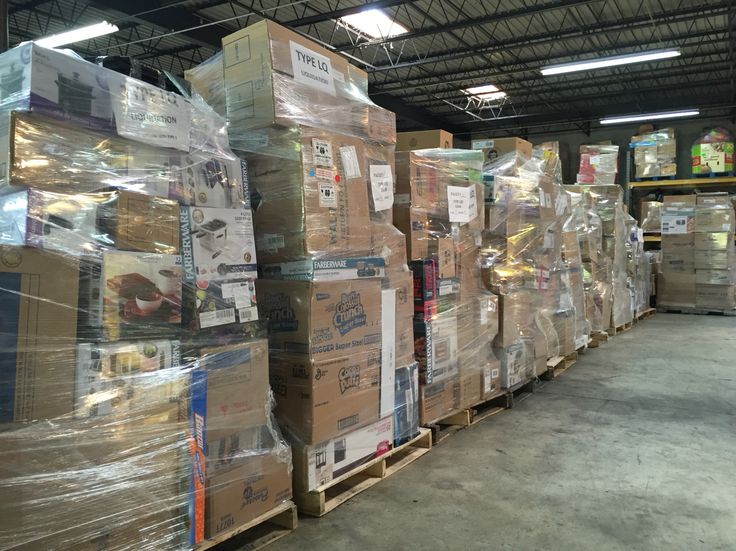
Pallet liquidation is the process of buying large quantities of unsold, returned or surplus merchandise that major retailers have consolidated onto standard shipping pallets and sold at heavily discounted prices. Rather than processing individual returns through their own reverse logistics networks, companies such as Amazon, Walmart and Target sell this excess inventory to liquidators, who then sell entire pallets to resellers at a fraction of the original retail value.
This practice has steadily grown across Kansas as more resellers have discovered that the Kansas City metropolitan area serves as a major logistics hub for the central United States. The intersection of Interstates 70 and 35 provides easy access to regional distribution centres and liquidation warehouses, enabling buyers in Wichita, Topeka, Lawrence and the wider KC metropolitan area to source inventory locally and avoid expensive cross-country shipping charges.
What Should You Know Before Trying Pallet Liquidation in Kansas?
Before buying your first pallet, bear in mind that liquidation buying is not a passive investment. You will need to research local sellers, set a firm budget and arrange transportation for heavy pallets. You will also need to dedicate hours to sorting and listing individual items. Begin by familiarising yourself with the three main types of manifest: unmanifested lots (the cheapest but highest risk), manifested pallets (itemised lists with condition grades) and shelf-pull lots (unsold retail stock in better condition).
You will also need a valid Kansas resale exemption certificate to make tax-free wholesale purchases from licensed liquidation sellers. Check the requirements for a Kansas resale certificate with the Kansas Department of Revenue before your first transaction.
Quick Readiness Check: Should You Buy Your First Pallet?
Question 1: Do you have at least $300 to $500 you can afford to lose entirely if the pallet contents are unsellable?
- If yes, continue to Question 2.
- If no, pause and build your savings before entering the liquidation market.
Question 2: Do you have adequate space to store, sort, and photograph 50 to 200 individual items?
- If yes, you are ready to research local Kansas sellers and plan your first purchase.
- If no, consider starting with smaller box lots before committing to full pallets.
What Are Amazon Return Pallets?
Amazon return pallets contain bulk shipments of merchandise that customers have sent back to Amazon for a variety of reasons, ranging from buyer’s remorse to defective products. Unlike general overstock pallets, which contain unsold new inventory, return pallets are more variable because each item has a unique return history.
| Condition Grade | Typical Contents | Resale Potential |
|---|---|---|
| New or Sealed | Unopened customer returns in original packaging | Highest |
| Open Box | Inspected but unused items, packaging may be damaged | Moderate |
| Salvage | Damaged, defective, or non-functional goods | Lowest |
A single Amazon return pallet may contain a mixture of electronics, home goods, clothing and toys. When available, the manifest lists the expected items and their condition grades, but the accuracy of this information varies significantly between sellers and individual shipments.
Is Pallet Liquidation Profitable in Kansas?
Your profitability depends on your sourcing costs, the product categories you target and how much time you invest in reselling. Compared to coastal markets, Kansas offers a moderate advantage because there is less competition for warehouses and local pickup reduces freight expenses. However, the smaller population density in much of the state means that demand for niche categories may be limited locally.
Resellers in the Kansas City metropolitan area generally report higher sell-through rates thanks to the larger buyer pool and active flea market and second-hand store community. Realistic profit margins typically fall between 20 and 40 per cent on well-sourced pallets, though individual results can vary widely based on manifest accuracy and the condition of items received.
How Much Can You Realistically Make From One Pallet?
A practical example can help to set realistic expectations. Suppose you purchase a pallet of electronics for $400 from a warehouse in the Kansas City area. After sorting, you identify 60 sellable items out of a total of 80 units. Once marketplace fees, shipping materials, fuel for collection and your time have been accounted for, you will have generated approximately $650 in net revenue, yielding roughly $250 in profit from that single pallet.
Use Case: First-Time Kansas Reseller
A seller based in Wichita buys a mixed home goods pallet for $350, spends four hours testing and photographing the items, and lists 45 products on eBay and Facebook Marketplace over two weeks. After fees and shipping costs are deducted, the net profit is approximately $180. This experience highlights that the time investment required for pallet reselling is often underestimated, and that not every item on the manifest will arrive in a condition suitable for resale.
Outcomes shift dramatically when manifests are inaccurate or items arrive with hidden damage, which is why experienced resellers always budget for a 15 to 25 percent loss rate.
How Much Do Liquidation Pallets Cost in Kansas?
Pallet prices in Kansas and the surrounding Kansas City metropolitan area depend on the retailer, the product category and the quality of the merchandise. Pallets of general merchandise from large retailers tend to cost less than those containing specialised electronics or tools.
| Pallet Type | Typical Price Range | Key Cost Driver |
|---|---|---|
| Unmanifested mixed | $150 to $400 | Condition uncertainty |
| Manifested returns | $300 to $800 | Manifest accuracy and detail |
| Shelf pulls | $400 to $1,000 | Product category and brand names |
| Truckload lots | $2,000 to $8,000 | Volume discount and freight |
These price ranges reflect general market conditions and are subject to fluctuation based on seasonal inventory cycles, retailer return volumes and local warehouse availability. Rather than relying on outdated online estimates, always request current pricing directly from sellers.
Can You Negotiate the Price of Pallets?
Many local Kansas warehouses and independent liquidation sellers are open to negotiation, especially if you purchase multiple pallets or commit to regular orders. Auction-based sellers operating through online consignment platforms tend to have less pricing flexibility, whereas direct warehouse operators are often open to reasonable offers.
Respectfully approach negotiations by asking about volume discounts, end-of-week clearance lots or reduced pricing on unsold pallets. Building a consistent buying relationship with a local seller over time will typically yield better prices than haggling on a one-off basis. Never assume that the listed price is final.
Where Can You Buy Liquidation Pallets in Kansas?
Kansas resellers typically source pallets from three main channels. Firstly, standalone liquidation warehouses operate in the Kansas City metropolitan area and along major interstate corridors. These offer walk-in purchasing and local collection. Regional wholesalers purchase truckloads directly from retailers and break them down into individual pallets for smaller buyers. Online consignment auction platforms enable Kansas-based buyers to bid on pallets stored in regional facilities nearby, although shipping costs can offset savings on smaller orders.
For the best selection, buyers in western Kansas may need to travel to the KC metro area or Wichita. Cross-shopping between Kansas and Missouri warehouses is common, given that the state border sits directly within the metropolitan logistics zone. Before making your first purchase, verify each seller’s reputation through online reviews, Better Business Bureau listings and reseller community forums.
Are Amazon Return Pallets Real or Fake?
Amazon return pallets are a legitimate source of stock used by thousands of resellers nationwide. Rather than inspecting and restocking every individual item, Amazon contracts with established liquidation companies to process and resell returned inventory in bulk. However, some dishonest third-party sellers misrepresent random salvage lots as premium Amazon returns in order to charge inflated prices, which causes confusion.
To verify the seller’s legitimacy, request a sample manifest before making a purchase. Check the seller’s business registration through the Kansas business entity search and look for consistent reviews from verified resellers. Reputable liquidation sellers will openly disclose the origin of the pallet, the grading system used to assess its condition, and any applicable return policy.
What Are the Risks of Buying Liquidation Pallets?
Every liquidation purchase carries an inherent risk. Common problems include receiving items that do not match the manifest, finding hidden damage that makes products unsellable and coming across missing accessories or components that reduce resale value. Electronics pallets pose an additional risk, as returned devices may have water damage, missing parts or locked activation codes, which can prevent resale entirely.
| Risk Factor | Likelihood | Mitigation Strategy |
|---|---|---|
| Inaccurate manifest | Moderate | Buy from sellers with documented return policies |
| Hidden damage | High | Budget for a 15 to 25 percent unsellable rate |
| Missing accessories | Moderate | Inspect every item thoroughly before listing |
Always factor a loss allowance into your profit calculations before purchasing any pallet, regardless of how promising the manifest appears.
What Are Common Scam Red Flags When Buying Return Pallets?
Watch for sellers who refuse to provide a physical address, demand payment exclusively through wire transfer or cryptocurrency, or advertise pallets at prices that seem impossibly low compared to market averages. Vague listings that promise “guaranteed high-value electronics” without specifying brands, quantities, or condition grades are another major warning sign.
Before making any payment for a lot that you have not seen, verify the seller by reading independent reviews, requesting video proof of the pallet in question and confirming their business registration. If a seller pressures you to act immediately or refuses to answer basic questions about the origin of the inventory, walk away. Reputable liquidation businesses welcome informed buyers and will not rush your decision.
How Do You Sell Liquidation Pallets for Profit?
The resale process begins as soon as your pallet arrives. You should unbox every item, test any electronics, check for damage and sort the inventory into sellable, repairable and unsellable categories. Take photographs of each item in good lighting, write honest descriptions of their condition, and research current market prices on your chosen platforms before setting your listing prices.
Use Case: Scaling Up in Kansas City
An experienced KC metro reseller purchases two manifested pallets monthly, dedicates one full day per week to sorting and listing, and maintains a 30 percent average profit margin by focusing exclusively on small electronics and name-brand tools with consistent resale demand. This approach works because specialization reduces testing time and builds buyer trust in a specific product category.
Setting your price too high can lead to your inventory becoming stagnant, while setting it too low can result in you leaving money on the table. Before setting your own prices, review completed listings on your chosen platform to get an idea of realistic market prices. For broader guidance on complying with the law when running a resale business, review the FTC’s business compliance resources.
What Are the Best Platforms to Sell Return Pallets?
The type of inventory you receive and the time you can invest in individual listings should inform your choice of platform.
| Platform | Best For | Fee Structure |
|---|---|---|
| eBay | Electronics and branded goods | Final value fee per completed sale |
| Facebook Marketplace | Bulky items and local pickup | Free for local transactions |
| Mercari | Clothing and small household items | Selling fee per transaction |
| Flea markets and bin stores | High-volume low-value goods | Booth rental or weekly table fee |
High-value individual items perform best on eBay, where buyers actively search for specific products. Meanwhile, lower-value bulk goods sell more quickly at local bin stores and weekend flea markets in the Kansas City area, where foot traffic encourages impulse purchases.
How Should You Prepare Pallet Inventory for Resale?
The way you prepare your items directly affects your sell-through rate and the prices you can charge. Start by cleaning every item thoroughly, removing old price stickers and wiping down surfaces to remove dust and residue. Test all electronics and battery-operated devices, and be honest about any functional issues in your listing descriptions. Include all original accessories, charging cables, manuals and packaging where available, as complete sets sell for significantly more than individual items.
Grade each item honestly using a consistent system, such as ‘new’, ‘like-new’, ‘good’, ‘fair’, or ‘for parts’. Misrepresenting the condition of an item can lead to returns, negative reviews and potential account suspensions on major marketplaces. Keep your workspace organised so that photographed, listed and sold items are clearly separated, to avoid costly shipping errors and duplicate listings.
What Size Are Liquidation Pallets?
In the United States, the standard liquidation pallet measures 48 by 40 inches and is commonly known as a GMA pallet. The height varies depending on the product category and how the warehouse stacks the goods, but most loaded pallets are between 48 and 72 inches tall. A fully loaded pallet can weigh between 227 and 680 kilograms, so you will need a pickup truck, trailer or delivery arrangement to transport it from the warehouse to your storage location.
Understanding pallet dimensions is key to planning your storage space and transportation logistics before making a purchase. Measure your available storage space and vehicle capacity before buying your first pallet, to help you avoid any unexpected logistical problems.
Frequently Asked Questions About Pallet Liquidation in Kansas
What Is Pallet Liquidation in Kansas?
In Kansas, pallet liquidation involves buying bulk lots of returned, overstocked or discontinued merchandise from regional warehouses, and then reselling individual items for profit. Buyers purchase entire pallets at discounted prices from liquidation sellers operating in the Kansas City metropolitan area and other regional distribution hubs across the state.
How Much Money Can You Make From Pallet Liquidation in Kansas?
Earnings can vary significantly depending on sourcing costs, product categories and how much time you invest in reselling. Many Kansas resellers report profit margins of between 20 and 40 per cent on well-sourced pallets once all expenses have been accounted for. However, income is not guaranteed, and results depend heavily on manifest accuracy, item condition, and your ability to efficiently sell inventory on the right platforms.