
Pallet Liquidation In Connecticut: How Does Work For Profit Math
Pallet liquidation in Connecticut provides local resellers with access to overstock, customer returns, shelf-pulls and salvage goods at a fraction of their original retail value. This supply chain connects major retail distribution networks directly with local e-commerce stores, market stalls, and flea market vendors. However, converting a bulk pallet of raw merchandise into predictable profits requires an understanding of logistics and state-specific business regulations. This comprehensive guide walks you through sourcing channels, platform fee structures, physical sorting workflows and the practical mathematics needed to run a successful resale operation.
Table of Contents
Request A Retail Or Bulk Quote In Connecticut
Need wholesale pallets in Connecticut? Request a free retail or bulk quote today. We’ll provide competitive pricing, available inventory, and shipping options within 24 hours.
Fast Shipping And Logistics
- Orders typically ship within 2–4 business days.
- FTL and LTL shipping available across the U.S. and selected export destinations.
- Pallets are securely wrapped for safe delivery, with manifests available upon request.
- International shipping quotes are available for port or direct freight delivery.
-
Electronic Pallets
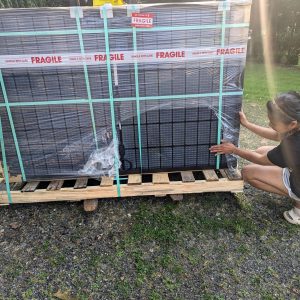
Buy Wholesale Solar Panels By The Pallet For Sale (31+ Units From $1,900)
$1,900.00 Add to cart -
Food Pallet
Buy Wholesale Spaghetti For Sale (50+ Cases From $895)
$1,200.00Original price was: $1,200.00.$895.00Current price is: $895.00. Add to cart -
WHOLESALE LIQUIDATION PALLETS
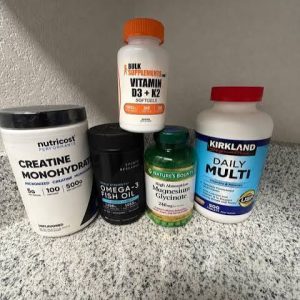
Buy Wholesale Supplements For Resale (500+ Units From $795)
$795.00 Add to cart -
KITCHEN & HOUSEWARE PALLETS
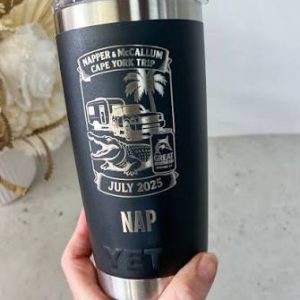
Buy YETI Wholesale For Sale (80+ Pieces From $1,895)
$1,895.00 Add to cart

Key Takeaways
- Diversified Sourcing Channels: Connecticut buyers can bid on national retail lots online or source locally from regional liquidation warehouses to save on freight.
- Regulatory Compliance Required: Reselling legally in Connecticut requires obtaining a sales tax permit and submitting Form CERT-119 to suppliers for tax-exempt purchases.
- Landed Cost Calculations: Always calculate your total landed cost—including pallet price, buyer premiums, freight, platform fees, and packaging—before placing a bid.
- Strict Grading Standards: Success relies on systematically testing, sorting, and grading mixed merchandise before listing it across secondary e-commerce channels.
Pallet Liquidation In Connecticut
Pallet liquidation is the process by which national retailers, manufacturers and e-commerce fulfilment hubs sell excess inventory to wholesale buyers in the secondary market. Retailers look to recover capital and free up warehouse space when products are returned by consumers, phased out during seasonal resets, or left on shelves past their promotional periods. Rather than processing individual items, they package these goods into pallets or truckloads. This inventory is categorised as overstock, shelf-pulls, customer returns and salvage goods, each category carrying a distinct risk and quality profile.
In Connecticut, the regional liquidation economy relies on proximity to major north-east transportation corridors, such as Interstate 95 and Interstate 91. These motorways link local warehouse brokers with major retail fulfilment hubs in New York, New Jersey and Massachusetts. Returned inventory and seasonal overstock flow into local liquidation warehouses, where they are organised and sold to independent buyers.
The buyer pool in Connecticut consists of several distinct business models. Bin store owners purchase large mixed pallets of general merchandise to stock discount tables. Flea market vendors source mixed household goods or tools to sell at regional markets. Online e-commerce entrepreneurs sort through premium manifests to find high-margin individual items to list on eBay, Amazon, Poshmark or Mercari.
In order to purchase liquidation pallets without paying sales tax on the transaction, Connecticut residents must establish a formal business entity and register with the state. The official tax portal, which is managed by the Connecticut Department of Revenue Services, allows you to register your business and obtain a Sales and Use Tax Permit. This permit is required in order to complete Connecticut Form CERT-119, the official resale certificate which wholesale liquidators require before exempting your purchase from state sales tax.
Is Buying A Liquidation Pallet Worth It?
Although sourcing inventory through liquidation channels can be highly profitable, success depends on careful planning, detailed research and disciplined bidding. The main appeal of liquidation is the significant discount on inventory. Typically, buyers pay just 10% to 30% of the original retail value for bulk lots, leaving substantial room for healthy profit margins. Additionally, mixed pallets allow you to trial various product categories without committing too much capital to any single line of inventory.
However, liquidation carries built-in risks. Unlike buying directly from wholesale brands, return pallets often contain broken items, missing accessories and damaged packaging. Your business’s viability depends on your ability to sort through these mixed lots, repair minor issues, and list items across multiple secondary marketplaces. It is worth sourcing liquidation pallets if you have the storage space, the tools to test electronics and the discipline to base your calculations on realistic resale values rather than inflated retail manifests.
Sourcing Strategy Selector
Follow this step-by-step diagnostic quiz to find the sourcing strategy that matches your budget, storage space and logistics setup.
Question 1: What is your starting budget per inventory order (including shipping)?
- A: Under $500 (Skip to Question 2)
- B: $500 to $2,000 (Skip to Question 3)
- C: Over $2,000 (Skip to Question 4)
Question 2: What are your current storage capabilities?
- A: I am working out of a spare room or a small apartment. (Recommended Strategy: Focus on small, high-quality box lots from platforms like 888Lots. This keeps your space clean and avoids bulk freight delivery issues.)
- B: I have access to a clean garage or a basement. (Recommended Strategy: Focus on sourcing local single pallets via local Connecticut pickup. You will save on freight fees while keeping your inventory manageable.)
Question 3: Do you have a vehicle capable of transporting a standard 48″ x 40″ pallet?
- A: Yes, I have a pickup truck, a cargo van, or a utility trailer. (Recommended Strategy: Source single return pallets directly from local Connecticut warehouses. You can pick up your inventory in person, skip freight shipping costs, and inspect the pallets firsthand.)
- B: No, I drive a standard passenger car. (Recommended Strategy: Source online through platforms that offer single-pallet shipping with residential liftgate services, or stick to itemized box lots that ship via UPS or FedEx.)
Question 4: Do you have commercial warehouse space with a dock or a forklift?
- A: Yes, I operate out of a commercial space. (Recommended Strategy: Buy multi-pallet lots or full truckloads directly through B-Stock or major retailer auction platforms. Sourcing at this volume yields the lowest cost per unit and maximizes your profit margins.)
- B: No, I am based at a residential address. (Recommended Strategy: Stick to single or double-pallet online auctions. Always request liftgate delivery at checkout, and confirm that LTL freight carriers can access your neighborhood.)
What Profit Margins Can Resellers Expect From Liquidation Pallets?
Expected profit margins in the liquidation industry can vary significantly depending on the product category, condition grade and primary sales channels. Popular categories such as electronics and tools often yield high margins, but come with higher return rates and more damaged items. Conversely, general merchandise and apparel offer more consistent quality, but require higher sales volumes to generate significant profits.
The table below outlines typical costs, recovery rates, and risk levels across major categories:
| Category | Typical Purchase Cost (% of Retail) | Real Resale Recovery (% of Retail) | Average Return Rate / Defect Rate | Core Resale Platforms |
|---|---|---|---|---|
| Consumer Electronics | 10% – 20% | 40% – 60% | 15% – 30% | eBay, BackMarket, Mercari |
| Apparel & Accessories | 15% – 25% | 30% – 50% | 5% – 10% | Poshmark, eBay, Vinted |
| Tools & Hardware | 15% – 25% | 45% – 65% | 10% – 15% | eBay, Facebook Marketplace |
| General Merchandise | 10% – 20% | 25% – 45% | 8% – 12% | Bin Stores, Flea Markets |
Your net profit margins are heavily influenced by listing fees, payment processing costs, the cost of shipping materials, and the time required to clean, test and photograph your inventory. On platforms such as eBay, expect to pay fees amounting to 12–15% of your gross selling price. If you have a retail space, you will also need to factor in rent, utilities and labour costs. To maintain healthy margins, aim for a net profit of at least 25% to 30% after accounting for all operational costs and throwaway salvage items.
What Risks Should You Consider Before Buying Pallets?
Although sourcing liquidation pallets can be lucrative, it also carries real financial and operational risks that can take unprepared buyers by surprise. The main risk is the unpredictable condition of the merchandise. Customer returns are often listed ‘as is’, meaning you may receive broken items, products with missing parts or even empty boxes. Without a detailed manifest, buying return pallets is always a gamble.
To help you decide between manifested and unmanifested inventory, review this quick reference table:
| Sourcing Type | Average Cost per Pallet | Manifest Accuracy | Level of Risk | Recommended Buyer Experience |
|---|---|---|---|---|
| Manifested Pallets | High ($500 – $1,500+) | 90% – 98% Accurate | Low to Medium | Beginners & Home Resellers |
| Unmanifested Pallets | Low ($200 – $600) | No Manifest Provided | High | Experienced High-Volume Sellers |
Logistics and shipping are another major risk area. If you do not plan ahead, freight delivery can be expensive and shipping costs can easily exceed the value of the pallet itself. Operating from a residential address incurs additional shipping fees, including residential delivery surcharges and liftgate fees to lower the pallet from the truck to the ground.
Finally, do not underestimate the amount of physical space and labour required. Sorting, cleaning, testing, listing and packaging hundreds of individual items is hard work. If you lack a dedicated warehouse, storing large quantities of inventory at home can quickly become overwhelming and disruptive.
Where To Buy Liquidation Amazon Pallets?
There are two main ways for Connecticut buyers to source Amazon and big-box return pallets: online auction platforms or local liquidation warehouses. Online platforms provide access to a vast national inventory, but you are responsible for managing freight logistics and bidding in competitive auctions. In contrast, sourcing from local warehouses enables you to inspect the pallets in person and avoid expensive shipping fees, although the selection of items available locally is often more limited.
Understanding where a platform sits in the supply chain is key. Direct liquidation portals sell inventory directly from retailers, which typically results in more accurate manifests and cleaner lots. Secondary brokers buy truckloads, sort through them to cherry-pick the best items, and repackage the remaining goods onto new pallets for secondary buyers. To protect your investment, always research a platform’s reputation, review their return policies, and check for buyer premiums before placing a bid.
Is B-Stock The Official Amazon Liquidation Partner?
Yes, B-Stock is Amazon’s official primary partner for bulk liquidation auctions. The platform operates as a B2B portal through which Amazon sells its customer returns and excess stock in bulk, ranging from single-pallet lots to full truckloads.
In order to bid on these auctions, you will need to register for an account on the B-Stock Amazon marketplace. During registration, you will be asked to upload a valid business licence and a signed Connecticut Form CERT-119 in order to qualify for sales tax exemption. B-Stock operates on a bidding model, meaning prices are driven entirely by market demand. For this reason, it is important to set a strict budget and avoid getting caught up in bidding wars. Most Amazon liquidation lots on B-Stock are sold unmanifested or with high-level category descriptions, so they are best suited to intermediate to advanced resellers with an established sorting space.
Use Case 1: Sourcing Amazon Return Pallets via B-Stock in New Haven
- The Buyer: Sarah operates a home-based eBay business out of a two-car garage in New Haven, Connecticut. She has a registered LLC and a valid CT tax permit.
- The Sourcing Goal: Sarah wants to source a mixed pallet of consumer electronics returns from Amazon to find high-margin items.
- The Logistics: She registers on the B-Stock Amazon marketplace, uploads her CT Form CERT-119, and sets a maximum budget of $900 (including freight). She wins an auction for an Amazon return pallet with a bid of $550.
- The True Costs:
- Winning Bid: $550.00
- B-Stock Buyer Fee (3%): $16.50
- LTL Freight with Liftgate (New Jersey to New Haven): $265.00
- Total Out-of-Pocket Cost: $831.50
- The Process: The carrier delivers the pallet to Sarah’s driveway. She unpacks the shrink-wrap, runs every item through her testing station, and grades them.
- The Results:
- 60% of the items are fully functional and require only minor cleaning.
- 25% have missing accessories or damaged boxes, requiring discounted pricing.
- 15% are broken and set aside for salvage/parts.
- Sarah recovers $1,450 in gross sales within 45 days, yielding a net profit of $418.50 after platform fees and shipping.
How Does Liquidation.com Work For Buyers?
Liquidation.com is an online marketplace where buyers can bid on surplus, returned and overstocked items from major retailers. The platform sells inventory in boxes, on pallets, or in truckloads, making it accessible to both small-scale hobbyists and large commercial operations. Each listing includes a detailed condition code, such as ‘New’, ‘Refurbished’, ‘Shelf Pulls’, or ‘Customer Returns’, along with an estimated retail value and an itemised manifest.
When planning your bids, you must factor in Liquidation.com’s additional transaction fees. The platform charges a standard buyer’s premium of 10% on all transactions, or a minimum flat fee of $29, whichever is greater. You can review these terms directly on the Liquidation.com buyer portal. Shipping is calculated separately using an automated tool that estimates LTL freight based on your postcode and delivery requirements. To avoid losing your profit margins to hidden shipping surcharges, always obtain a freight quote before placing a bid.
What Does Direct Liquidation Offer?
Direct Liquidation is a leading online auction platform that sources inventory directly from major retailers such as Walmart, Target and Lowe’s. The platform categorises inventory into clear grading tiers ranging from pristine, brand-new overstock to raw, untested customer returns. This structured grading system enables buyers to select the level of risk with which they are comfortable.
Direct Liquidation offers both auction-style bidding and fixed-price ‘Buy Now’ listings. Fixed-price listings are useful for resellers who prefer to calculate their profit margins accurately rather than competing in volatile auctions. However, please note that all items are sold ‘as is’ with no warranties or return privileges, so meticulous manifest research is essential for success.
Who Should Buy From 888Lots?
888Lots is the perfect platform for beginner and intermediate e-commerce resellers who value detailed item manifests and transparent profit calculations. Unlike traditional liquidation sites, which sell untested return pallets, 888Lots specialises in high-quality overstock and shelf-pull items. The platform provides a detailed manifest for each lot, including UPC codes, current Amazon selling prices and estimated sales ranks.
The standout feature of 888Lots is its built-in profit calculator tool. You can use this tool to enter your local warehouse pickup costs, listing fees, and shipping supplies to calculate your projected net margins before spending any money. Additionally, 888Lots offers smaller boxed lots as well as standard full-size pallets. These smaller lots are ideal for resellers with limited storage space or smaller budgets.
Use Case 2: Sourcing Small Box Lots from 888Lots in Hartford County
- The Buyer: Marcus is a part-time reseller who lives in a Hartford apartment and wants to generate extra income selling on Mercari and Poshmark.
- The Sourcing Goal: Marcus needs high-quality, brand-new inventory but cannot receive bulk truck freight or store full pallets at his apartment.
- The Sourcing Choice: He purchases three itemized, brand-new overstock box lots from the 888Lots platform.
- The Financials:
- Three Box Lots: $320.00
- Ground Shipping (via UPS): $35.00
- Total Out-of-Pocket Cost: $355.00
- The Process: The boxes are delivered directly to Marcus’s doorstep. Because the inventory consists of brand-new, carded items, he skips the intensive testing phase. He immediately photographs the products and lists them online.
- The Results:
- He lists all 45 items within 48 hours.
- Within 30 days, he sells 38 of the items, generating $680.00 in gross revenue.
- The remaining items are marked down and cleared out over the following two weeks.
- Marcus clears $220.00 in net profit while working from his living room, proving that you do not need commercial warehouse space to build a successful resale business.
Are Local Warehouses And Bin Stores A Good Option?
For both beginner and experienced resellers, sourcing inventory from local Connecticut warehouses and liquidation bin stores is an excellent strategy. Sourcing locally enables you to inspect pallets in person before purchasing them, allowing you to check for structural damage, verify packaging conditions and avoid the risks associated with buying online without seeing the items in person.
Furthermore, collecting inventory yourself eliminates expensive freight costs, which can range from $150 to over $400 for deliveries from out of state. Saving on shipping improves your unit economics immediately, giving you a competitive advantage over online buyers.
Building strong relationships with local warehouse managers can also pay off over time. Liquidators value reliable, local buyers who pay promptly and clear out inventory quickly. Once you have established a good relationship, managers will often give you early access to high-demand retail pallets before they are listed on public sites.
Can You Buy Pallets On Facebook Marketplace And eBay?
Yes, Facebook Marketplace and eBay can be valuable sources of local inventory, but you need to exercise extra caution when sourcing from other individuals. On Facebook Marketplace, for example, local brokers often advertise single retail return pallets. While this is a great way to find deals, thorough due diligence is essential. Always request to inspect the pallet in person before paying, and be wary of cherry-picked loads where the seller has already removed the highest-value items.
When sourcing on eBay, check the seller’s feedback score and completed listings to verify their track record. Look for detailed, actual photos of the pallet rather than generic stock images. To protect your investment, always complete your transactions via eBay’s secure checkout to ensure you are covered by their buyer protection programmes in the event of a misrepresentation.
Where To Buy Return Pallets In Connecticut?
Connecticut has a robust network of regional brokers, wholesale distribution centers, and liquidation warehouses. Most of these businesses are clustered around major commercial hubs in Hartford, New Haven, and Fairfield counties. Sourcing locally within Connecticut helps you avoid shipping delays and expensive out-of-state freight surcharges.
The table below highlights key regional sourcing locations and important logistical details for buyers:
| Location / Region | Sourcing Channel Type | Logistics & Vehicle Requirements | Recommended Equipment |
|---|---|---|---|
| Hartford County Warehouses | Wholesale Brokers | Commercial Loading Dock, Van, or Truck | Heavy-Duty Ratchet Straps |
| New Haven County Outlets | Bin Stores & Pallet Outlets | Flatbed Utility Trailer or Cargo Van | Pallet Jack / Hand Truck |
| Windham County Distributors | Rural Wholesalers | Standard Pickup Truck or Large SUV | Heavy-Duty Moving Blankets |
When picking up inventory from a commercial warehouse, make sure your vehicle is prepared for the job. Standard pallets measure 48″ x 40″ and can weigh anywhere from 400 to over 1,000 pounds depending on the product mix. To ensure a smooth, safe pickup, review this preparation checklist:
- Confirm Loading Methods: Ask the warehouse if they have a forklift to load open-bed trucks, or if you will need to hand-load individual boxes into a cargo van or SUV.
- Bring Securing Gear: Always bring high-quality ratchet straps, cargo nets, and heavy-duty moving blankets to secure loose boxes and stabilize your load during transport.
- Coordinate Pickup Windows: Many commercial warehouses require you to schedule a specific pickup appointment. Call ahead to confirm your time slot and avoid long wait times.
- Keep Documentation Ready: Bring physical copies of your business registration and your signed Connecticut Form CERT-119 resale certificate to ensure your purchase is processed tax-free.
What Should You Know About Pallets In Eastford, Connecticut?
Eastford, located in Windham County, serves as a key sourcing hub for rural and eastern Connecticut resellers. Sourcing from rural suppliers often yields lower prices and less competition compared to congested urban warehouses in Hartford or New Haven. Suppliers in the Eastford area typically specialize in mixed general merchandise, outdoor equipment, and home goods pallets.
However, rural sourcing requires careful planning. If you are traveling from New Haven or Stamford, factor fuel costs and travel time into your profit calculations. Additionally, rural suppliers often have limited pickup hours and may require you to schedule appointments well in advance. Always confirm inventory availability before making the trip to ensure the supplier has the exact manifests you want.
How Do You Sort And Grade Everything In A Pallet?
Once your pallet arrives at your workspace, you need a systematic sorting and grading process to maximize your resale value. Working in a disorganized space can easily lead to listing errors, missed product defects, and lost profits.
Pallet Sourcing Inspection Checklist
To protect your investment and streamline your operations, perform these steps the moment your shipment arrives:
- Inspect the Shrink-Wrap: Check that the original plastic shrink-wrap is fully intact and shows no signs of tampering, tearing, or resealing by unauthorized parties.
- Verify the Carrier Paperwork: Cross-reference the carrier’s bill of lading with your original invoice to confirm that the pallet identification numbers and weights match exactly.
- Document the Unpacking Process: Take clear photos or record a video as you cut away the shrink-wrap to document any transit damage for future carrier claims.
- Set Up Testing Stations: Prepare a dedicated testing area equipped with a power strip, basic diagnostic tools, batteries, and cleaning supplies to inspect electrical items.
- Sort by Target Sales Channel: Group items into distinct categories based on where you plan to sell them, such as premium e-commerce platforms, local marketplaces, or discount bins.
To streamline your grading workflow, evaluate every item on your pallet using this standard industry system:
| Condition Grade | Visual Inspection Criteria | Resale Functional Status | Best Sales Channel |
|---|---|---|---|
| New (Overstock) | Original factory seal intact; no packaging wear. | 100% Functional | Amazon FBA, eBay |
| Like-New (Open Box) | Package opened; product pristine, no physical wear. | 100% Functional | eBay, Mercari |
| Used (Tested) | Minor cosmetic wear; shows light signs of use. | Fully Operational | eBay, Facebook Marketplace |
| Salvage / Parts | Major physical damage; missing key components. | Non-Functional | eBay (For Parts), Scrap |
Always be honest when describing item conditions in your listings. Building a successful resale business relies on positive buyer feedback and low return rates. Accurately documenting minor cosmetic flaws or missing accessories helps prevent customer disputes and protects your seller ratings.
How Do You Calculate Realistic Profit Math On A Pallet?
The golden rule of the liquidation business is simple: never buy a pallet based on its original retail manifest value alone. Instead, you must calculate your total “landed cost” and estimate your returns using realistic secondary market prices.
To illustrate how to run these numbers, review this realistic cost breakdown for a standard customer return pallet:
| Cost Component | Actual Expense | Math Rationale & Description |
|---|---|---|
| Pallet Bid Price | $450.00 | Winning auction bid for a mixed customer return lot |
| Buyer’s Premium (10%) | $45.00 | Standard transaction fee charged by online portals |
| LTL Freight Cost | $220.00 | Shipping fee, including residential and liftgate delivery surcharges |
| Packaging & Supplies | $45.00 | Boxes, bubble wrap, packing tape, and shipping labels |
| Listing & Payment Fees | $91.00 | Estimated 13% platform fee on $700 of gross sales |
| Total Landed Investment | $851.00 | Your true out-of-pocket cost to acquire and list the pallet |
Now, let’s look at a realistic recovery model for this pallet. While the manifest lists a total retail value of $3,000, you should expect some items to be damaged or unsellable.
Here is how your actual gross sales might break down:
- Premium Functional Items (Top 30%): You recover $650.00 by listing the highest-quality items on eBay and Mercari.
- Minor Damaged / Discounted Items (Middle 35%): You recover $350.00 by selling open-box items at local flea markets.
- Unsellable / Parts Inventory (Bottom 35%): Set aside as salvage with $0.00 in recovery value.
- Total Gross Sales Recovery: $1,000.00
Subtract your total landed investment of $851.00 from your gross recovery of $1,000.00 to find your true net profit:
Net Profit=$1,000.00−$851.00=$149.00Net Profit=$1,000.00−$851.00=$149.00
Net Return on Investment (ROI)=($149.00$851.00)×100≈17.5%Net Return on Investment (ROI)=($851.00$149.00)×100≈17.5%
This realistic mathematical model demonstrates why budgeting for defect rates and operational fees is crucial. Disciplined buyers always calculate their break-even points before placing a bid, ensuring they never pay more than their maximum calculated limit.
Frequently Asked Questions About Pallet Liquidation In Connecticut
How Does Pallet Liquidation In Connecticut Work?
In Connecticut, pallet liquidation involves connecting regional resellers with national retail distribution networks. Big-box stores package excess stock, customer returns and seasonal items that have been removed from the shelves into bulk pallets, which are then sold through online auction portals or local liquidation brokers. Independent buyers purchase these lots at significant discounts and then resell the items individually for a profit through local and online marketplaces.
Where Can You Buy Return Pallets In Connecticut?
In Connecticut, you can purchase return pallets through online B2B portals such as B-Stock, Liquidation.com and Direct Liquidation, or directly from regional warehouse brokers in Hartford, New Haven and Fairfield counties. Local sourcing is highly recommended for new buyers, as collecting pallets yourself allows you to inspect the inventory in person and save on expensive freight shipping costs.