How Liquidation Pallets Work: A Practical Guide For Buyers And Resellers
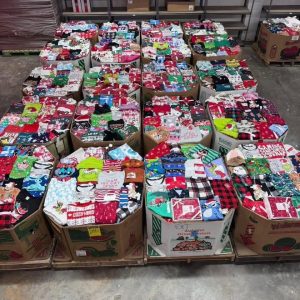
Liquidation pallets are bulk lots of merchandise that retailers, distributors, manufacturers, and liquidation companies sell when products need to move out of the normal retail supply chain. The merchandise may include overstock, shelf pulls, customer returns, discontinued products, damaged packaging, closeouts, or mixed-condition inventory.
Instead of processing every item individually, merchandise can be grouped into cases, pallets, or full truckloads and sold to liquidation buyers. Buyers can then resell the entire pallet, divide it into smaller wholesale lots, or inspect and sell individual products.
The opportunity comes from buying inventory below its normal retail value. The risk comes from product condition, shipping expenses, missing items, uncertain demand, marketplace fees, labor, and products that cannot be resold.
What Are Liquidation Pallets?
A liquidation pallet is a bulk shipment containing merchandise that a business wants to clear from its inventory. The products are normally packed onto a wooden or plastic pallet, secured for freight transportation, and sold as one wholesale lot.
Liquidation does not automatically mean that the merchandise is damaged. A pallet can contain completely new products, returned merchandise, opened items, damaged products, or a combination of several conditions.
Common Reasons Products Become Liquidation Inventory
- Customer returns
- Excess inventory
- Seasonal clearance
- Shelf pulls
- Store closures
- Packaging changes
- Discontinued products
- Warehouse space limitations
- Product-line changes
- Damaged retail packaging
Knowing why merchandise was liquidated can be just as important as knowing the brand or estimated retail value. New overstock normally carries a different level of risk from untested customer returns.
How Liquidation Pallets Work Step By Step
Merchandise Leaves The Retail Channel
The process begins when a retailer, manufacturer, distributor, warehouse, or another business has products it no longer wants to sell through its normal retail operation.
A returned television might be missing accessories. A pair of shoes may simply have been removed after a seasonal change. Another product may be completely new but belong to a discontinued product line.
Products Are Sorted Into Lots
Inventory may be grouped according to:
- Product category
- Condition
- Brand
- Retailer
- Warehouse
- Estimated retail value
- Quantity
- Size or weight
The Inventory Is Offered For Sale
The merchandise may be sold through a liquidation wholesaler, business-to-business marketplace, auction platform, distributor, or another secondary-market channel.
Depending on the seller, buyers may purchase a single pallet, multiple pallets, cases, or complete truckloads.
The Buyer Receives And Resells The Stock
After delivery, the buyer normally inspects and sorts the merchandise. Products may be cleaned, tested, repaired, repackaged, bundled, or sold in their received condition depending on the inventory.
What Is A Liquidation Pallet Manifest?
A manifest is an inventory document describing what the seller expects to be included in a pallet or liquidation lot.
Depending on the supplier, a manifest may include:
- Product name
- SKU
- Brand
- Quantity
- Category
- Product condition
- Original retail price
- Model or size
- UPC
- Estimated retail value
A manifest helps you evaluate a pallet, but it should not automatically be treated as a guarantee. Read the seller's terms to determine how missing, substituted, or incorrectly described merchandise is handled.
Manifested Liquidation Pallets
Manifested pallets provide an item list before purchase. This can make them easier to evaluate because buyers can research individual products, quantities, and potential resale prices before committing money.
Unmanifested Or Mystery Pallets
An unmanifested or mystery pallet provides limited information about individual products. These lots involve greater uncertainty because the exact merchandise may not be known before delivery.
A cheaper mystery pallet is not automatically a better deal. Buyers should compare the realistic recoverable value after all costs, not only the purchase price.
Where Do Liquidation Pallets Come From?
Retailers
Retail businesses generate customer returns, excess inventory, shelf pulls, discontinued stock, and seasonal clearance merchandise.
Manufacturers And Distributors
Manufacturers and distributors may have excess stock caused by cancelled orders, packaging updates, forecasting changes, discontinued products, or excess production.
Liquidation Companies
Liquidators can purchase merchandise in large volumes and divide it into truckloads, pallets, cases, or smaller wholesale lots for resale to other buyers.
Liquidation Marketplaces And Auctions
Some inventory is sold through online B2B auction platforms where registered buyers can inspect available lot information, calculate freight, and bid or purchase inventory.
Useful External Buying Resource
B-Stock provides a practical checklist covering merchandise condition, manifests, retail value, shipping method, storage, and total purchasing budget.
What Types Of Liquidation Pallets Can You Buy?
Clothing And Fashion Pallets
Fashion liquidation pallets may contain shirts, dresses, jackets, trousers, sportswear, accessories, seasonal clothing, overstock, shelf pulls, and customer returns.
Brand-focused inventory may also become available. You can see how category-specific fashion inventory is structured on our Lululemon Liquidation Pallets page.
Shoe Liquidation Pallets
Footwear may be sold according to pair count, brand, condition grade, size assortment, category, or estimated retail value.
Buyers should pay particular attention to:
- Shoe sizing
- Missing boxes
- Mismatched pairs
- Wear or cosmetic damage
- Authenticity
- Current demand for individual models
Compare examples through our Shoe Liquidation Pallets and Nike Liquidation Pallets pages.
Electronics Liquidation Pallets
Electronics generally require more careful inspection because the original retail value does not tell you whether every unit is functional.
- Cracked screens
- Missing chargers
- Missing remote controls
- Battery problems
- Activation or account locks
- Cosmetic damage
- Incomplete packaging
- Faulty components
Buyers researching this category can also review our TV And Electronics Pallets .
Beauty And Personal-Care Pallets
Beauty inventory can require additional checks because product condition, packaging, hygiene, expiration, and resale requirements may affect whether individual items can be sold.
Potential considerations include:
- Broken seals
- Open packaging
- Expiration dates
- Damaged containers
- Missing packaging
- Local resale requirements
See our Beauty Liquidation Pallets for an example of category-specific beauty inventory.
Understanding Liquidation Pallet Conditions
Product condition can dramatically change the real value of a pallet. Never calculate your purchase decision using the original retail price alone.
New Overstock
Unused products that were not sold through the normal retail channel. Packaging condition, product age, and current demand can still affect resale value.
Shelf Pulls
Products removed from retail shelves. Merchandise may be unused while the retail packaging contains clearance stickers, scratches, fading, torn cardboard, or handling damage.
Customer Returns
Returned products range from almost-new merchandise to products with missing components, significant wear, defects, or cosmetic damage.
Refurbished Products
Products that have undergone some form of inspection, repair, restoration, testing, or repackaging. Check who performed the refurbishment and whether a warranty is included.
Salvage Merchandise
Higher-risk inventory that may contain heavily damaged, incomplete, or non-functional products. Salvage is often better suited to buyers familiar with repair or parts recovery.
How Much Do Liquidation Pallets Cost?
There is no universal price for a liquidation pallet. The cost depends on the merchandise and the circumstances surrounding the sale.
Inventory Factors
- Product category
- Brand
- Condition
- Quantity
- Estimated retail value
Sale Factors
- Auction competition
- Seller
- Season
- Current demand
- Manifest quality
Logistics Factors
- Location
- Pallet weight
- Freight distance
- Delivery requirements
- Handling charges
Two pallets displaying the same estimated retail value can produce completely different financial results. One might contain new, fast-selling inventory while another contains untested returns requiring cleaning, testing, replacement parts, and extensive labor.
Calculate The Real Cost Before Buying
One of the most common mistakes is treating the advertised pallet price as the buyer's complete investment.
Basic Landed-Cost Formula
+ Freight
+ Buyer Or Auction Fees
+ Taxes
+ Unloading
+ Storage
+ Testing
+ Cleaning Or Repairs
+ Packaging
= Total Landed Cost
Then estimate your potential return:
− Marketplace Fees
− Selling Expenses
− Total Landed Cost
= Potential Profit
Simple Example
| Expense | Example Cost |
|---|---|
| Pallet Purchase Price | $1,000 |
| Freight | $250 |
| Unloading | $50 |
| Testing And Cleaning | $100 |
| Packaging And Miscellaneous Costs | $100 |
| Total Before Selling Fees | $1,500 |
A pallet advertised for $1,000 can quickly become a $1,500 investment before marketplace selling fees, customer returns, or unsold inventory are taken into account.
Business Cost Planning Resources
The U.S. Small Business Administration provides guidance for calculating startup expenses such as inventory, equipment, premises, insurance, marketing, and operating costs.
Can You Make Money With Liquidation Pallets?
Yes, liquidation pallets can produce profitable inventory, but buying merchandise below its original retail value does not guarantee a profit.
Profit Depends On Recoverable Value
Suppose a pallet manifest shows an original retail value of $8,000. That does not mean the reseller will collect $8,000.
Some products may:
- Sell below their original retail price
- Be damaged
- Be outdated
- Have missing parts
- Require repairs
- Have weak demand
- Take months to sell
- Generate marketplace fees
- Be returned by customers
- Never sell at all
How much of the pallet's value can I realistically recover after every expense?
For a reseller, that number is generally much more useful than the manufacturer's suggested retail price.
How To Evaluate A Liquidation Pallet Before Buying
1. Examine The Manifest
If a manifest is available, inspect it carefully. Review product type, model, quantity, condition, stated retail value, and products that appear unusually valuable.
Do not evaluate an entire pallet using only the seller's headline estimated retail value.
2. Research Actual Resale Prices
Compare the merchandise with products actually selling through the channels you plan to use.
eBay Seller Center provides information about listing products, selling fees, shipping, inventory management, and seller tools.
Focus on realistic market prices rather than simply finding the highest asking price for a similar product.
3. Check Product Demand
A valuable product that takes twelve months to sell can tie up cash and warehouse space.
Google Trends can help you examine changes in search interest for products and categories.
Also examine:
- Current marketplace listings
- Recently sold products
- Local demand
- Seasonal demand
- Competing sellers
- Recent price changes
4. Understand The Condition
Find out what the seller means by terms such as:
- New
- Like new
- Grade A
- Grade B
- Customer returns
- Untested
- Salvage
Condition terminology is only useful when you understand the seller's exact definition.
5. Calculate Freight Before Buying
Freight can dramatically change the economics of a liquidation purchase.
Determine the following before deciding your maximum buying price:
- Shipping origin
- Destination
- Pallet dimensions
- Total weight
- Residential or commercial delivery
- Liftgate requirements
- Loading dock requirements
- Pickup availability
6. Read The Terms Of Sale
Liquidation inventory can be sold under different conditions from ordinary consumer merchandise.
Check the seller's:
- Return policy
- Dispute process
- Payment requirements
- Manifest guarantees
- Condition disclaimers
- Freight damage procedures
- Inspection requirements
- Missing-item policy
Manifested Vs. Mystery Liquidation Pallets
| Factor | Manifested Pallet | Mystery / Unmanifested Pallet |
|---|---|---|
| Contents | Listed before purchase | Limited or unknown |
| Ability To Calculate Value | Higher | Lower |
| Inventory Predictability | Higher | Lower |
| Risk Assessment | Generally easier | More difficult |
| Research Method | Item-level analysis | Seller and category-level analysis |
| Best Suited To | Buyers seeking greater predictability | Buyers comfortable with additional uncertainty |
Neither format automatically produces higher profit. A badly priced manifested pallet can be a worse purchase than a carefully selected unmanifested one.
Are Liquidation Pallets Worth The Risk?
Liquidation pallets can be worth considering when the expected return adequately compensates for the uncertainty and processing work involved.
Buying is generally easier to manage when you have:
- Enough working capital
- A suitable storage area
- A way to receive pallet freight
- Knowledge of the product category
- Time to inspect inventory
- A cleaning or repair process when necessary
- Established resale channels
- Realistic resale-price estimates
A pallet should not be purchased simply because the advertised retail value appears dramatically higher than the asking price. Product condition, demand, fees, freight, labor, and unsellable inventory can reduce the recoverable value.
How To Avoid Liquidation Pallet Scams
The liquidation industry includes legitimate wholesalers and marketplaces, but extremely cheap branded merchandise can also be used to attract buyers into fraudulent transactions.
Verify The Seller
Before paying an unfamiliar seller, investigate:
- Business name
- Physical contact information
- Independent reviews
- Terms and conditions
- Return or dispute policy
- Payment methods
- Website history
- Actual inventory photographs
- Product documentation
The Federal Trade Commission's online shopping guidance advises buyers to research unfamiliar sellers, understand delivery and refund policies, keep transaction records, and consider the protections offered by different payment methods.
Be Careful With Unrealistic Offers
A low price by itself does not prove that a seller is fraudulent. However, additional investigation is appropriate when a seller promises:
- Extremely valuable merchandise for unusually low prices
- Guaranteed huge profits
- Guaranteed product combinations without documentation
- No meaningful business information
- Pressure to pay immediately
- No clear freight information
- No terms of sale
- Generic stock photographs presented as the exact inventory
Use Appropriate Payment Protection
Understand the protection provided by the payment method and sales platform before sending money.
A secure connection helps encrypt information sent to a website, but it does not prove that the company operating the website is trustworthy. Seller verification still matters.
What Happens After A Liquidation Pallet Arrives?
Inspect The Shipment Before Opening
Check the delivered pallet for visible freight damage before completely removing the wrapping whenever possible.
Photograph:
- Pallet wrapping
- Boxes
- Shipping labels
- Crushed corners
- Punctures
- Water damage
- Broken wrapping
Keep documentation if you may need to raise a freight claim.
Sort The Inventory
Create practical condition groups such as:
- New
- Open box
- Used
- Needs cleaning
- Needs testing
- Needs repair
- Missing parts
- Salvage
Test Functional Products
Testing is particularly important for electronics, appliances, tools, and other functional products. A recognized brand name does not compensate for an item that does not work.
Record Your Actual Costs
Track:
- Purchase price
- Freight
- Individual item cost
- Repair expenses
- Packaging
- Marketplace fees
- Selling price
- Customer returns
- Unsold inventory
Without accurate records, it becomes difficult to determine whether individual pallets are actually producing a profit.
How To Resell Liquidation Pallet Merchandise
Online Marketplaces
Individual products can be sold through established marketplaces. Different platforms have different fees, product rules, return policies, and customer expectations.
Your Own Ecommerce Store
An independent online store provides more control over branding, pricing, customer relationships, and product presentation. However, the seller is responsible for attracting traffic and managing the customer experience.
Local Sales
Large appliances, furniture, bulky electronics, and other difficult-to-ship products may sometimes be more practical to sell locally.
Smaller Wholesale Lots
A large pallet can be reorganized into cases, bundles, category lots, brand lots, or smaller reseller lots instead of selling every item individually.
Common Liquidation Pallet Buying Mistakes
Buying Based On MSRP Alone
Original retail value is not the same as realistic resale value.
Ignoring Freight Costs
A pallet can appear profitable until freight, unloading, storage, and handling expenses are included.
Buying An Unfamiliar Product Category
If you cannot evaluate the products or understand the market, you may depend too heavily on the seller's description.
Assuming Every Customer Return Works
Customer-return merchandise should not automatically be treated as tested and functional inventory.
Failing To Research Demand
Cheap inventory becomes expensive when the products are difficult or impossible to sell.
Spending Your Entire Budget On Inventory
Maintain enough working capital for freight, packaging, repairs, storage, marketplace fees, customer returns, and future inventory.
Scaling Before Measuring Results
One successful pallet does not prove that every future purchase will perform equally well. Track several purchases and identify which suppliers, categories, conditions, and price ranges perform best before scaling.
Liquidation Pallet Buying Checklist
Ask These 15 Questions Before Paying
- What is the source of the inventory?
- Is the pallet manifested?
- What condition is the merchandise in?
- How does the seller define each condition grade?
- What percentage appears realistically resellable?
- What are comparable products actually selling for?
- What is the total landed cost?
- How much storage space will the pallet require?
- Can I inspect, test, clean, or repair the products?
- Where will I sell the merchandise?
- What fees will those selling channels charge?
- What happens if products are missing or incorrectly described?
- What is the return or dispute policy?
- How will the pallet be delivered?
- What is my maximum buying price while leaving room for risk?
Answer these questions before becoming emotionally attached to a pallet simply because the advertised discount appears attractive.
Liquidation Pallet Categories To Explore
Once you understand how liquidation pallets work, compare inventory by category instead of treating every pallet as the same type of purchase.
Understand The Numbers Before You Buy
The liquidation model is simple: inventory leaves the normal retail channel, is sold in bulk, and is purchased by buyers who attempt to recover value through resale.
The difficult part is determining what a particular pallet is really worth after condition, freight, testing, repairs, selling fees, unsold products, returns, and labor are considered.
A strong liquidation buying decision is therefore based on recoverable value and total cost, not just a large advertised MSRP or a low pallet price.
FAQs About How Liquidation Pallets Work
Below are answers to common questions buyers and resellers ask before purchasing liquidation inventory.
How Do Liquidation Pallets Work?
Liquidation pallets work by moving returned, overstocked, discontinued, shelf-pull, clearance, or other excess merchandise out of the normal retail supply chain and selling it in bulk. The buyer receives the pallet, inspects and sorts the merchandise, and can then resell individual products or smaller wholesale lots.
Are Liquidation Pallets Worth The Risk?
They can be worth the risk when the purchase price, product condition, freight, resale demand, processing expenses, and expected selling prices leave sufficient room for damaged, slow-moving, or unsellable merchandise. A low purchase price alone does not make a pallet worthwhile.
Can You Make Money From Liquidation Pallets?
Yes, but profitability depends on realistic recoverable resale value. Freight, repairs, marketplace fees, storage, packaging, labor, customer returns, and unsold inventory should all be deducted when calculating potential profit.
What Is A Liquidation Pallet Manifest?
A manifest is a document describing the expected contents of a liquidation lot. Depending on the seller, it can contain product names, quantities, SKUs, brands, models, retail values, and condition information. Buyers should also check whether the seller guarantees the accuracy of the manifest.
What Is The Difference Between Manifested And Unmanifested Pallets?
A manifested pallet provides inventory information before purchase. An unmanifested or mystery pallet provides limited or no item-level information. Manifested lots generally make pre-purchase valuation easier, while unmanifested inventory introduces greater uncertainty.
Are Customer-Return Pallets All Damaged?
No. Customer returns can range from unopened merchandise to products with significant defects or missing components. Unless the products have been tested and clearly graded, buyers should allow for some inventory requiring inspection, cleaning, repair, or disposal.
How Can I Tell Whether A Liquidation Pallet Seller Is Legitimate?
Research the company's business information, independent reviews, contact details, policies, payment methods, product documentation, and transaction terms. For general online buying protection, review the FTC's online shopping guidance .
What Should I Check Before Buying My First Liquidation Pallet?
Check the manifest, merchandise condition, seller reputation, comparable resale prices, freight charges, total landed cost, storage requirements, marketplace fees, return terms, delivery requirements, and realistic recoverable value before purchasing.