
Pallet Liquidation in Wisconsin: Where Do The Pallets Come
Are you looking for pallet liquidation in Wisconsin, but are unsure about where to start, how to pay, or how to transport the pallets home safely? This guide covers everything you need to know, from where Wisconsin pallets come from and which product categories appear most frequently, to how payment and transport typically work and what you should confirm before committing to a purchase.
Table of Contents
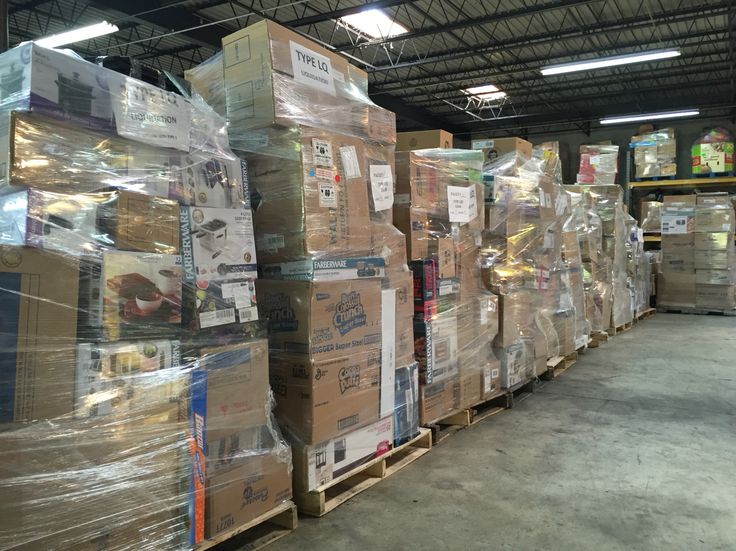
Request A Retail Or Bulk Quote In Wisconsin
Need wholesale pallets in Wisconsin? Request a free retail or bulk quote today. We’ll provide competitive pricing, available inventory, and shipping options within 24 hours.
Fast Shipping And Logistics
- Orders typically ship within 2–4 business days.
- FTL and LTL shipping available across the U.S. and selected export destinations.
- Pallets are securely wrapped for safe delivery, with manifests available upon request.
- International shipping quotes are available for port or direct freight delivery.
-
GENERAL MERCHANDISE
Buy Pallet of Toilet Paper Wholesale Lots – Starting at $450
$450.00 Add to cart -
GENERAL MERCHANDISE
Buy Pallet Wood Floor Wholesale Lots – Starting at $899
$1,200.00Original price was: $1,200.00.$899.00Current price is: $899.00. Add to cart -
GENERAL MERCHANDISE
Buy Pallet Wood Pallets For Sale (500+ Units From $395)
$695.00Original price was: $695.00.$395.00Current price is: $395.00. Add to cart -
Uncategorized
Buy Pallets of Merchandise Wholesale: Mixed Retail Lots
$1,000.00 Add to cartRated 4.67 out of 5


Key Takeaways
- Wisconsin liquidation pallets come from retailer returns, shelf-pulls, overstock, and freight-damaged shipments.
- Payment methods vary by seller and commonly include cash, card, bank transfer, and business invoicing.
- Transport requires a properly rated vehicle, ratchet straps, and confirmation of pickup or delivery terms.
- Commercial buyers may need a resale certificate or Wisconsin Seller’s Permit depending on the seller’s requirements.
- Always review written refund and guarantee terms before paying, especially for unmanifested pallets.
Pallet Liquidation in Wisconsin
The Wisconsin liquidation market caters to a wide variety of buyers, including online resellers, small shop owners, flea market vendors, and individual bargain hunters. Inventory usually consists of retailer returns, surplus stock, seasonal overstock and items removed from shelves, often referred to as ‘shelf-pulls’. Goods are usually sold in bulk at prices well below retail, which is the main appeal for both commercial and personal buyers.
A good place to start is to contact a reputable local supplier and ask about their current stock. Those planning larger purchases should request a bulk quote, since most sellers offer tiered pricing based on pallet count or truckload volume.
Where Can I Find Pallet Liquidation Near Oshkosh, Wisconsin?
Buyers in Oshkosh can find liquidation inventory through local warehouse directories, online liquidation marketplaces and regional auction platforms. Some sellers also advertise new stock on social media or community classified pages.
Before driving to a collection point, check the seller’s inspection rules, whether appointments are required and what stock is currently available. Many Wisconsin warehouses limit walk-in access and require advance notice for pallet pickups.
What Are The Top Rated Liquidation Pallets Near Racine, Wisconsin?
When it comes to evaluating sellers in the Racine area, there are a few practical signals to consider. Customer feedback on Google, Facebook or marketplace listings can provide insight into a seller’s reliability. Transparency is important: sellers who provide detailed manifests tend to be more trustworthy than those offering mystery pallets with no description. The condition of the pallet, including whether items are boxed, wrapped or loose, is another indicator of how the seller handles inventory.
It is worthwhile comparing pricing structures across a few options. Restocking frequency, responsiveness of buyer support, and whether the seller offers recurring availability all affect the long-term value of the relationship. Please note that we cannot independently verify the reputation of specific sellers in Racine, so you should always check current reviews yourself.
Where Can I Find Pallet Liquidation In Fond Du Lac?
Buyers in Fond du Lac can find liquidation sources through local classified listings, regional warehouse directories and community groups on social media. Auction houses in the wider Fox Valley area also periodically offer liquidation lots.
Before visiting, it is advisable to ask the seller about collection times, available load sizes, and the product categories currently in stock. A quick phone call or message can prevent a wasted trip if the inventory has changed or collection times are limited. As with any local market, availability fluctuates and should be confirmed directly with the seller.
| Finding Liquidation in Wisconsin: Channel Comparison | |||
|---|---|---|---|
| Channel | Inventory Visibility | Buyer Effort | Best For |
| Local warehouses | High, often with manifest | Moderate, may require appointment | Repeat buyers, bulk purchases |
| Online marketplaces | High, searchable by region | Low, browse from home | Comparing options, small orders |
| Auction platforms | Moderate, lot-based | Higher, bidding required | Bargain hunters, varied inventory |
| Social media listings | Variable, post-dependent | Low to moderate | Local pickups, community sellers |
Where Do The Pallets Come From?
Liquidation pallets originate from a few main sources. The most common of these is customer returns: merchandise that is sent back to retailers and then sold on in bulk. Discontinued product lines also enter the liquidation process when retailers clear old stock. Another major source is seasonal excess, including holiday merchandise that did not sell. Finally, freight-damaged shipments, where the outer packaging is damaged but the contents are often intact, complete the supply.
The original source determines what buyers can expect. Retailer returns tend to be mixed in condition, ranging from new to opened or used. Discontinued lines are more likely to contain new, untouched merchandise. Freight-damaged lots may have cosmetic packaging issues, but the items themselves are usually functional. Knowing the source helps buyers to set realistic expectations and to match inventory to their resale strategy.
What Types Of Specific Products Are Available In Pallet Liquidation Wisconsin Sales?
Wisconsin liquidation pallets typically contain homeware, toys, kitchenware, beauty products, pet supplies and office merchandise. Electronics, tools, sports equipment, and clothing also appear regularly, though availability fluctuates by supplier and season.
It is a practical step to match product categories to your existing store, marketplace audience, or local demand. For example, a reseller with an established kitchenware shop would benefit more from kitchen-focused pallets than from random mixed lots. Local demand also plays a role: outdoor and sporting goods tend to sell faster in Wisconsin during hunting and camping seasons, while toys and home goods are more popular around the holidays.
Use Case: Home Goods Reseller in Milwaukee. Maria runs a small online home goods store and sources inventory through Wisconsin liquidation warehouses. She focuses on kitchen and décor pallets with detailed manifests, buying three to five pallets per month. By matching pallet categories to her store’s existing audience, she maintains consistent turnover and avoids overstocking slow-moving categories.
How Do I Purchase A Pallet Or Pallets?
The typical buying journey follows a clear sequence:
- Review available stock through the seller’s website or direct communication.
- Ask questions about manifest details, condition grades, and pickup logistics.
- Confirm payment method and total cost, including any fees.
- Arrange pickup or delivery and confirm timing in writing.
- Inspect visible cartons at pickup before signing off on the load.
There are several purchase formats. Single pallets are the most common starting point, allowing buyers to test a seller’s quality before committing to larger orders. Mystery boxes are similar, but the inventory is less predictable. Mixed lots bundle multiple pallets together at a discounted price. Full truckloads represent the largest commitment and usually require a bulk quote and commercial coordination.
Serious buyers planning volume purchases should request a bulk quote. Common benefits include volume pricing, faster order coordination and priority access to new inventory.
Branching Quiz: Which Pallet Format Fits You?
- Question 1: Have you bought liquidation pallets before?
- If No: Go to Question 2.
- If Yes: Go to Question 3.
- Question 2: Is your goal to test a seller or buy inventory for resale?
- If Test a seller: Start with a single manifested pallet.
- If Buy for resale: Start with a small mixed lot (two to three pallets).
- Question 3: Do you need consistent inventory or one-time stock?
- If Consistent inventory: Ask the seller about recurring availability or a standing order.
- If One-time stock: Consider a single truckload for maximum volume discount.
Is A Sales Tax ID Required To Buy Pallets In Wisconsin?
Whether a sales tax ID or resale certificate is required depends on the seller and the nature of the purchase. Some Wisconsin liquidation businesses only sell to buyers with a resale certificate, treating these as tax-exempt wholesale transactions. Others sell to the general public and apply sales tax at the point of sale.
For commercial buyers purchasing inventory specifically for resale, both a Wisconsin Seller’s Permit and a resale certificate are usually necessary. The resale certificate allows you to purchase goods for resale without paying sales tax. You can review the official requirements on the Wisconsin Department of Revenue’s resale certificate page. As tax rules can vary depending on the situation, it is advisable to verify your obligations with a qualified tax professional before completing a commercial purchase.
Do Wisconsin Liquidation Businesses Offer Refunds Or Guarantees?
Refund and guarantee policies can vary significantly. Some sellers offer limited guarantees on manifested pallets, where shortages may be eligible for partial credit. Unmanifested pallets, mystery boxes and as-is sales are usually sold without any guarantee and the buyer assumes the risk of the unknown contents.
Before making a purchase, review the seller’s written terms and conditions regarding missing items, damaged goods and pallet condition. Ask whether testing is allowed before purchase, what happens if a pallet is significantly short and if there is a returns policy. Clear terms protect both buyer and seller.
| Refund and Guarantee Policy Types | ||
|---|---|---|
| Policy Type | Coverage | Buyer Risk Level |
| Manifested with guarantee | Shortages or major discrepancies may be credited | Lower |
| Manifested, as-is | Listed but no recourse for variance | Moderate |
| Unmanifested / mystery | No description, no guarantee | Higher |
| Tested and verified | Items confirmed functional before sale | Lowest |
| Refund Policy Red Flags to Watch For | |
|---|---|
| Red Flag | Why It Matters |
| No written terms provided | Verbal promises are hard to enforce |
| “All sales final” on manifested pallets | Unusual for sellers who stand behind their manifests |
| No contact information or business address | Hard to resolve disputes |
| Pressure to pay before viewing inventory | Limits your ability to inspect |
Is Everything New On The Pallets?
No, liquidation pallets usually contain a mixture of new, open-box, returned customer items, items removed from the shelf and damaged products. It is important to understand condition labels. ‘New’ usually means factory-sealed and never sold. ‘Open-box’ means that the packaging has been opened, but the item is usually unused. ‘Customer return’ means the item was purchased and returned, and its condition may vary. ‘Shelf-pull’ means the item was displayed or stocked, but not sold. ‘Damaged’ usually refers to damage to the packaging or during transit rather than to any functional defects.
Whenever possible, inspect visible cartons before accepting a pallet. Look out for signs of water damage, crushed corners and boxes that have been re-taped. While most sellers allow some level of visual inspection, opening sealed cartons is usually not permitted until after purchase.
Can I Find Apple And Other Modern Electronic Pallets In Wisconsin?
Although electronics pallets do appear in Wisconsin, their availability depends on supplier relationships and market demand. Common categories include smartphones, tablets, accessories, gaming consoles and games, smart home devices and small appliances. Although Apple products appear in some liquidation streams, their availability is inconsistent and the price per pallet is typically higher than for mixed electronics.
Buyers should pay close attention to testing procedures. Are items tested for functionality before sale? Are activation locks cleared? Are accessories and original packaging included? Missing components, locked devices and untested electronics are all common issues with liquidated electronics, and the price should reflect this uncertainty.
Are Tools And Sporting Goods Pallets Available For Wisconsin Buyers?
Yes, tools and sporting goods are recurring categories in Wisconsin liquidation sales. These include power tools, hand tools, outdoor equipment, exercise products, camping gear and sporting accessories, which appear in various pallet formats. The condition of the items varies, with some pallets containing new, overstocked merchandise and others containing returned or open-box items.
Resale value is affected by seasonal demand and regional preferences. For example, Wisconsin buyers often experience higher demand for hunting gear, fishing equipment, and cold-weather outdoor supplies, particularly in northern and rural areas. The summer months see increased demand for camping, hiking and water sports equipment. Aligning pallet purchases with seasonal buying patterns improves turnover.
How Should I Transport My Pallets Safely?
The key to safely transporting liquidation pallets is to match the vehicle to the load. In most cases, a standard pickup truck can handle a single pallet. However, multiple pallets or heavier industrial loads may require a box truck, flatbed or trailer. Always confirm the dimensions and approximate weight of the pallets with the seller before arranging transport.
Load securement is critical. Standard equipment includes ratchet straps rated for the load weight, edge protectors to prevent strap damage to boxes, and tarpaulins or shrink wrap for weather protection. Balance the load evenly, avoiding stacking pallets higher than recommended since shifting during transport can cause damage or create a safety hazard. For guidance on federal cargo securement standards, please refer to the FMCSA cargo securement rules.
Safe unloading is important too. Using a forklift, pallet truck or hand truck speeds up the process and reduces the risk of injury. Some sellers offer on-site loading assistance with forklifts, so it is worth asking about this in advance.
Use Case: First-Time Bargain Hunter in Madison. James bought his first liquidation pallet, a manifested load of mixed home goods, from a seller about 45 minutes from his home. He rented a small utility trailer, brought four ratchet straps and a tarp, and confirmed the pickup time and pallet weight the day before. At the warehouse, he inspected the visible cartons, signed the invoice, and strapped the load down for the drive home. The total trip took about three hours and gave him a clear sense of what to expect next time.
Do You Deliver?
Delivery options vary by seller. Some Wisconsin liquidation businesses offer local delivery within a set radius, often for an additional fee. Others collaborate with freight carriers for long-distance or large orders. Many sellers require buyers to arrange their own transport, particularly for single pallets or small orders.
It is advisable to clarify the delivery zone, any minimum order requirements, who is responsible for unloading and the fee structure before scheduling. Some sellers include kerbside delivery, while others offer a liftgate service for an additional charge. Written confirmation of these details will prevent any misunderstandings on the day of delivery.
What Forms Of Payment Do You Accept?
Payment methods differ by seller. Common options include cash, debit and credit cards, bank transfers and business invoicing for established accounts. Some sellers accept payment apps for smaller transactions. Please note that credit card processing fees may apply, particularly for large purchases. A few sellers offer cash discounts, though this is not universal.
Before reserving inventory, you should confirm the accepted payment methods, any deposit requirements, invoice procedures and processing timelines. For high-value purchases, wire transfers or certified funds may be required. Clarifying payment terms upfront avoids delays at pickup. To understand how resale certificates interact with payment and tax obligations, refer to the IRS resale certificate guidance.
| Common Payment Methods at Wisconsin Liquidation Sellers | ||
|---|---|---|
| Method | Typical Use | Notes |
| Cash | Single pallets, walk-in purchases | Some sellers may offer a small discount |
| Debit or credit card | Most transactions | Possible processing fee |
| Bank transfer / wire | Bulk orders, truckloads | Often required for large purchases |
| Business invoice | Established commercial buyers | Net terms may be available |
Frequently Asked Questions About Pallet Liquidation in Wisconsin
What Is Pallet Liquidation In Wisconsin And How Does It Work?
In Wisconsin, pallet liquidation involves the bulk resale of returned, surplus, overstocked and damaged merchandise from retailers and distributors. Buyers purchase pallets of mixed or categorised goods at reduced prices, usually for resale or personal use. The process involves reviewing the available inventory, confirming the terms of sale, paying for the goods and arranging their collection or delivery.
What Steps Are Involved When Buying Liquidation Pallets?
Typical steps include researching local sellers or marketplaces, reviewing available inventory and manifests, confirming details with the seller, arranging payment and scheduling pickup or delivery. Commercial buyers may also be required to provide a resale certificate or Wisconsin Seller’s Permit prior to completing the purchase.