
Pallet Liquidation In Iowa: Auctions Specialists And Ordering Buyers
If you are an Iowa-based reseller looking for cheaper stock, pallet liquidation provides access to customer returns, surplus stock, and salvaged goods at significant discounts. The challenge lies in knowing where to start, how much to pay, and how to avoid costly mistakes. This guide breaks down the Iowa liquidation market, helping you to source inventory with confidence.
In Iowa, pallet liquidation involves buying bulk returns, overstock or discontinued merchandise from retailers, typically packed onto pallets, through auctions, direct purchases from regional specialists or bin store supply chains. Read on to find out what you need to know before making your first purchase.
Table of Contents
Request A Retail Or Bulk Quote In Iowa
Need wholesale pallets in Iowa? Request a free retail or bulk quote today. We’ll provide competitive pricing, available inventory, and shipping options within 24 hours.
Fast Shipping And Logistics
- Orders typically ship within 2–4 business days.
- FTL and LTL shipping available across the U.S. and selected export destinations.
- Pallets are securely wrapped for safe delivery, with manifests available upon request.
- International shipping quotes are available for port or direct freight delivery.
-
Foot Wear Pallets
Buy Gucci Liquidation Pallets: From $2,450 | Luxury Lot
$2,850.00Original price was: $2,850.00.$2,450.00Current price is: $2,450.00. Add to cart -
CLOTHNG PALLETS
Buy Gymshark Wholesale For Sale (300+ Pieces From $1,450)
Rated 4.33 out of 5$1,850.00Original price was: $1,850.00.$1,450.00Current price is: $1,450.00. Add to cart -
CLOTHNG PALLETS
Buy Halara Wholesale Pallets For Sale: From $1,875 | Lot
$1,875.00 Add to cartRated 4.50 out of 5




Key Takeaways
- Auctions, direct pallet purchases, and bin store supply chains each serve different buyer profiles; match the model to your budget and sales channel.
- Iowa’s regional suppliers reduce shipping costs and delivery times compared to national platforms, but you must verify their grading and policies.
- Condition grades vary by supplier; always clarify what labels like “new” and “salvage” mean before you buy.
- Returns on liquidation pallets are almost always final; inspect deliveries thoroughly and document any damage immediately.
- Profitability depends more on your sorting, pricing, and sales channel plan than on the pallet price alone.
Pallet Liquidation in Iowa
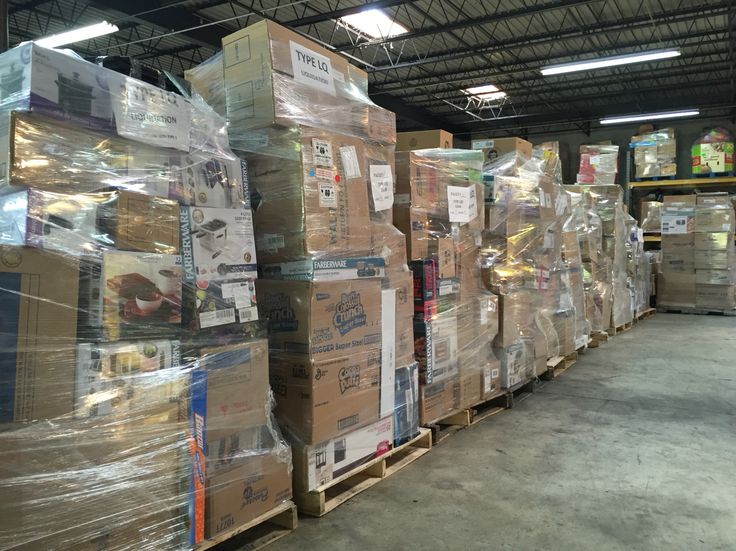
Pallet liquidation connects retailers with buyers who purchase large quantities of unsold merchandise. Rather than managing individual items, stores sell that inventory in bulk to liquidation companies when processing returns or clearing warehouse space. These companies then sort, grade and resell the merchandise by the pallet or truckload.
Iowa’s liquidation market has grown alongside the broader returns economy. Des Moines serves as the primary distribution point, while Cedar Rapids and Iowa City support the eastern corridor, and Sioux City connects western Iowa buyers to regional supply chains. Most buyers in the state are independent resellers who sell via online marketplaces such as eBay and Amazon, at local flea markets, or through their own storefronts.
The inventory falls into three categories. Customer returns are items sent back within a retailer’s returns period. They may be opened, lightly used, or defective. Overstock merchandise comprises excess stock that never sold. These items are usually new with tags, but they may have been in a warehouse for months. Salvage goods are heavily discounted and arrive damaged, incomplete or severely returned, requiring the most sorting and repair work.
Sourcing locally is important because freight costs directly affect your profit margin. Midwest suppliers can deliver within days rather than weeks, and some allow collection, which eliminates delivery fees entirely. If you buy from a national platform, you may pay between $150 and $400 per pallet for shipping, depending on the distance travelled and the weight of the goods, which cancels out the discount you worked so hard to secure.
| Sourcing Model | Best For | Main Advantage | Main Tradeoff |
|---|---|---|---|
| Local Auction | Hands-on buyers who can inspect | Potential lowest prices | As-is condition, competitive bidding |
| Direct Pallet Purchase | Consistent inventory needs | Reliable grading and policy support | Higher per-pallet price than auction |
| Bin Store Supply | Retail-style operators | Moves volume weekly | Requires physical space and restocking |
What Makes Liquidation Auctions For Inventory From Iowa Unique?
In Iowa, liquidation auctions are held through local auction houses, online platforms and hybrid events. In-person auctions are particularly prevalent in rural areas of the state, where the tradition of auctions runs deep. In recent years, online auctions with local collection options have grown in popularity, providing urban and rural buyers with equal access.
The bidding process begins with registration. Larger auction houses may require a refundable deposit before you can bid. Once registered, you place incremental bids against other resellers, and the highest bid wins. Prices at auction can be lower than direct purchase rates, but the extent of the discount depends entirely on the level of competition on a given day.
A typical lot contains customer returns from large retailers, surplus electronics or seasonal merchandise. Spring auctions feature patio and outdoor goods, while autumn and winter events offer holiday items and indoor appliances. Arrive early to inspect the visible condition of each pallet and set a firm maximum bid before the auctioneer starts.
Use case: Imagine a first-time buyer attends a Cedar Rapids auction. They identify a pallet containing visible power tools, set a maximum bid of $350, and win with a bid of $300. After sorting the tools, he lists them individually on Facebook Marketplace and earns a total of $620 before fees. He made a profit because he saw the items in person and priced them for a quick local sale.
Attending local auctions allows you to see exactly what you are bidding on. You can assess the condition of items, check the packaging and avoid the shipping costs that inflate purchases on national platforms. If you cannot attend in person, some auction houses offer online bidding with detailed photographs, but you miss out on the advantage of a hands-on inspection.
Selling point: Get access to our exclusive Iowa auction calendar and insider tips to help you win bids at the best prices by contacting our team today.
Who Are The Midwest’s Liquidation Specialists?
Regional liquidation specialists purchase truckload quantities of goods directly from retailers and then sell them on to smaller buyers. In Iowa, they play a vital role because they understand the needs of the local market. For example, a Des Moines-based specialist knows that patio furniture sells quickly in spring, whereas a national platform operating across the US treats every region the same.
Midwest-based specialists maintain direct relationships with regional retail distribution centres. This gives them access to inventory before it appears on national liquidation marketplaces. They also vet their sources more carefully because their reputation depends on repeat local business. If a specialist misrepresents a pallet, they cannot hide behind a distant website — the buyer could show up at the warehouse the next day.
The comparison to national platforms involves a trade-off. Although national marketplaces like B-Stock or Liquidation.com offer enormous volume and variety, you are essentially buying blind. Condition descriptions are often vague, and accountability is limited. Local specialists have smaller catalogues, but you benefit from honest grading, responsive support and a valuable relationship when problems arise.
Before choosing a supplier, request their grading standards in writing, ask for references from previous buyers, and verify their business registration. A reputable Iowa specialist will gladly provide these details.
What Types Of Pallet Liquidation Products Are Available In Iowa?
Common merchandise categories include general merchandise such as household goods, tools, clothing and electronics; overstock from large retailers; and speciality items such as toys, furniture, auto parts and appliances. The resale potential of each category depends on your sales channel.
High-piece-count pallets contain 100–200 items, but the individual values are usually modest. Curated premium loads contain fewer, higher-value items that have been selected for their resale potential. Your choice depends on whether you prioritise volume or per-item profit.
Toy loads are a seasonal phenomenon. Demand spikes in the fourth quarter as shoppers hunt for holiday gifts, and pallets of liquidation stock bought months earlier can generate significant returns if you have the necessary storage space. Furniture loads require more space and physical handling, but the active market for used household goods in Iowa supports strong margins.
| Condition Grade | What It Means | Resale Potential | Risk Level |
|---|---|---|---|
| New | Unused, original packaging | Highest | Low |
| Open Box | Packaging opened, item typically unused | High | Low to Medium |
| Customer Return | Sold and returned; may show use | Medium | Medium |
| Salvage | Damaged, incomplete, or defective | Low to Medium | High |
Grading definitions can vary between suppliers. For example, one company’s ‘customer return’ might mean ‘lightly used, complete in box’, while another might mean ‘no power cord and cracked casing’. Therefore, it is advisable to ask for a detailed grade explanation before placing your first order.
What Is The Amazon Bulk Liquidations Store And How Does It Work?
The Amazon bulk liquidation programme sells returned and surplus stock from Amazon’s fulfilment network. For resellers in Iowa, it provides access to nationally recognised brands without the need to go through a regional middleman.
Products available include customer returns from Amazon’s warehouses, inventory from FBA sellers that failed to sell, and overstock from Amazon’s retail operations. The range leans towards consumer electronics, household goods, and general merchandise.
Pricing is competitive, but it is important to understand what you are buying. Inventory is sold as seen with minimal condition details. Photos may be generic and return options are highly limited. You are competing against professional liquidators nationwide, so popular items can sell for higher prices than regional alternatives.
Registration is straightforward, but you need a seller account to participate. We recommend that new buyers start with one small lot to familiarise themselves with the listing and bidding process before committing larger sums of money.
How Does Bin Store Pricing Work For Iowa Liquidation Buyers?
Bin stores are a rapidly growing retail model that uses liquidation inventory. The typical model involves prices starting at seven dollars on Friday, dropping by one dollar each day until Wednesday, when any remaining items are sold for a dollar or less. Shoppers line up on Fridays to grab the freshest merchandise.
The transition from pallet buyer to bin store owner is a natural one. You purchase pallets wholesale, sort and quality-check the items, and then stock the bins. This model eliminates listing fees, shipping logistics and the need for online customer service. Instead, you take on the operational demands of running a physical storefront.
| Bin Store Model | Traditional Pallet Reselling |
|---|---|
| Retail foot traffic | Online marketplace sales |
| Weekly inventory turnover | Per-item profit optimization |
| No shipping or listing fees | Higher per-item margins possible |
| Requires physical space | Lower overhead costs |
| Weekend clearance risk | Slower inventory turnover |
The success of bin stores depends on consistent restocking. Regular customers know that fresh stock arrives on a set schedule, so they return weekly. They also watch out for discount days, when you can clear lower-value items at lower prices as the week progresses. This model prioritises volume over per-item profit and requires a steady supply of liquidation pallets.
How Does Ordering Work For Pallet Liquidation In Iowa?
The ordering process is consistent across all Iowa suppliers. First, register on the supplier’s website or by phone. Once you have been approved, you can browse the available lots, review the condition descriptions and select the pallets you wish to purchase. Payment is due before shipment or collection.
| Startup Budget Item | Low-End Estimate | High-End Estimate |
|---|---|---|
| First pallet (general merchandise) | $300 | $900 |
| Freight or pickup cost | $0 (pickup) | $200 (freight) |
| Sorting supplies (tape, labels, packaging) | $50 | $150 |
| Listing fees (reserve for online sales) | $30 | $100 |
| Total first-order startup | $380 | $1,350 |
Minimum order requirements vary. Some suppliers require a full truckload of 20–28 pallets, while others accept single-pallet orders provided they reach a certain minimum value. Payment options typically include major credit cards and bank transfers. Financing is rare because inventory moves quickly and suppliers expect immediate payment.
First-time buyers should start with one or two pallets to evaluate the quality of the products, the accuracy of the grading, and the reliability of the supplier. Place a small test order, track your results, and only scale up when the numbers work.
Use case: A reseller in Des Moines starts with a single general merchandise pallet for $450. After sorting, they identify 40 items to list online and 25 items for a local flea market. Her total revenue is $720, and she also gains valuable insight into which product categories sell best in her market. This knowledge informs her next, larger order.
Selling point: Browse our current pallet inventory online and place your first order today using our streamlined ordering system, which is designed for quick checkout.
How Does Delivery Work For Pallet Liquidation Purchases?
Suppliers in Iowa typically offer local collection and freight shipping. If you have a truck or trailer, pickup is the most economical option. Freight shipping is ideal for those outside the local area or without suitable vehicles.
Delivery timeframes range from a few days for local shipments to one to two weeks for freight. You, the supplier and the carrier will agree on a delivery date. Someone must be present at the time of delivery, or you can designate a representative to receive the shipment.
| Delivery Check | What To Do |
|---|---|
| Before the truck arrives | Clear space in your warehouse or garage |
| When the driver arrives | Inspect for external damage before signing |
| On the delivery receipt | Note any visible damage or missing pallets |
| After the driver leaves | Photograph each pallet from all four sides |
Delivery costs vary depending on the quantity of pallets and the destination. Local collection is free or incurs a minimal charge, whereas freight shipping costs depend on distance, weight and additional fees such as liftgate service or residential delivery. Some suppliers consolidate freight to reduce per-pallet costs for larger orders.
Can I Return My Pallet Lot If I Decide I Do Not Want It?
The short answer is usually no. Pallet liquidation purchases are almost always final sale. Suppliers sell merchandise in an ‘as is’ condition at steep discounts, meaning they cannot resell the exact items you received. This policy is standard across the industry.
It is important to distinguish between buyer’s remorse and legitimate product issues. If you have changed your mind or the merchandise simply does not match your expectations, this is buyer’s remorse. This is not covered by any standard pallet liquidation policy.
However, legitimate product issues, such as gross misrepresentation of the lot contents, significantly damaged merchandise not disclosed in the listing or missing items listed as included, may qualify for a remedy. You will need to verify your claim with photos, delivery notes and order documentation.
Myth vs. fact: many new buyers believe that pallet liquidation works like retail returns. In reality, however, a pallet purchase is more akin to buying a used car at auction. You accept the risk in exchange for the discount. Protect yourself by thoroughly inspecting deliveries and documenting everything. If a return is approved, a restocking fee of 20–50% may apply, plus the cost of freight back to the supplier.
Before accepting a pallet delivery, verify that the pallet seal is intact, confirm that the pallet count matches your order, inspect visible items for damage and take photographs of everything. Being diligent at the point of delivery is your best protection.
What Should I Do If My Pallet Is Damaged In Transit Or Missing Items?
If your pallet arrives damaged or items are missing, you must act quickly. Take photographs of the damage from multiple angles, make a note of the issue on the delivery receipt and contact your supplier within 24 hours.
You will need to provide the following documentation: photos of the condition of the pallet, photos of the damaged merchandise, a copy of the delivery receipt with your notes about the damage, and your order number. Without this information, claims are difficult to process.
| Claim Step | Timeline |
|---|---|
| Report to supplier | Within 24 hours of delivery |
| Supplier investigation | 3-5 business days |
| Carrier coordination | 5-10 business days |
| Resolution (refund/credit) | Up to 2 weeks |
The typical resolution timeframe is three to ten business days. Depending on the outcome, the supplier may offer a partial refund, a credit towards future purchases or replacement merchandise. To protect yourself, photograph the pallet seal before breaking it and take photos of all four sides. Count items against the packing list when one is provided.
Why Can I Not Add A Pallet Lot To My Cart?
Several common issues prevent buyers from adding pallets to their carts on liquidation websites.
Inventory unavailability is the most common cause. The lot you are viewing may have just sold or been reserved for another buyer. Popular loads can sell within minutes of being posted, so refresh the page and check the listing status.
Registration and approval requirements may also prevent purchases. Many liquidation websites require you to have an approved account before you can make purchases, and the approval process can take 24–48 hours. If you are browsing inventory without an approved account, the shopping basket function will not work.
If you are experiencing technical issues, try clearing your browser cache, using a different browser, disabling your browser extensions or accessing the site from a different device. If the problem persists, please contact customer support. They can confirm the inventory status and process your order manually if necessary.
Will The Storefront Be Restocked With New Pallet Liquidation Inventory?
Yes, Iowa liquidation storefronts receive new stock regularly. Larger operations post new stock daily, while smaller specialists may restock weekly or fortnightly.
The availability of seasonal merchandise and retail return cycles is driven by the retail return cycle. Peak liquidation season is from January to March, when retailers process fourth-quarter returns and excess holiday inventory. Different merchandise tied to retail buying cycles is available in spring and autumn.
To keep up to date with new inventory, check the website daily, subscribe to email alerts and follow your preferred suppliers on social media. Loyal customers often gain early access to new arrivals through priority notification lists. Building a relationship with your supplier can unlock these benefits.
How Can Resellers Maximize Profit Potential With Iowa Liquidation Pallets?
While it is possible for Iowa resellers to build profitable operations, the margins depend on factors within your control, such as product selection, pricing strategy and inventory turnover. While many successful resellers aim for profit margins of 30–50%, first-time buyers often see lower margins while they learn the market.
| Profit Factor | Why It Matters | Practical Step |
|---|---|---|
| Product selection | Some categories resell better than others | Track what sells; focus on high-turnover items |
| Condition grading | Higher grade means higher resale value | Ask suppliers to explain grades in detail |
| Sales channel mix | Multiple channels reach different buyers | List online and locally; test pricing |
| Inventory turnover | Cash flow depends on moving stock | Price to sell within 30-60 days |
To identify high-value items within mixed pallets, focus on brand names with an established resale market. Check Amazon and eBay’s completed listings to find out the current prices. Learn to recognise high-value categories within general merchandise pallets.
Set competitive prices across multiple channels. Online marketplaces such as eBay, Amazon and Facebook Marketplace attract different customers. Local platforms such as Craigslist and community Facebook groups are good for selling larger items quickly. When setting your prices, you must account for the fees, shipping costs and customer expectations of each channel.
Inventory turnover is a key indicator of the success of a business. The liquidation model ties up capital in inventory. Resellers who sell stock quickly, even at slightly lower margins, achieve better annual returns than those who hold out for the highest possible price for every item.
How Do I Sign Up For Pallet Liquidation Load Alerts?
Load alerts notify subscribers when new pallet inventory becomes available. These alerts can be sent via email, text message, or both. Signing up is usually straightforward: locate the form on the supplier’s website, enter your contact details, select your preferences and confirm them.
Alerts can be triggered by various types of loads, including wholesale truckload opportunities of 20–28 pallets, new pallet arrivals in specific categories, seasonal merchandise releases and member-only loads. Customise your alerts to match your inventory preferences.
Load alerts are important because liquidation inventory operates on a first-come, first-served basis. Buyers who receive immediate notifications can review and purchase loads before they are made available to the general public. In a market where quality loads sell quickly, early access provides a real competitive advantage.
Frequently Asked Questions About Pallet Liquidation in Iowa
What Is Pallet Liquidation in Iowa And How Does It Work?
Pallet liquidation involves buying returned, overstock or salvage merchandise in bulk from retailers and selling it at steep discounts. In Iowa, local and regional suppliers purchase truckloads of merchandise from retailers, sort and grade it, then resell it to buyers like you. You buy pallets wholesale, then sell the items on through your chosen sales channels to make a profit.
What Profit Margins Can Iowa Resellers Expect From Liquidation Pallets?
Although Iowa resellers often aim for profit margins of 30–50% on well-chosen liquidation pallets, actual results can vary depending on the product category, condition grading and resale strategy. First-time buyers often achieve lower margins while familiarising themselves with the process. Those with established supplier relationships and effective sorting systems consistently achieve higher margins. Start with small orders, track your results, and scale up the successful strategies.
How Much Money Do I Need To Start Buying Liquidation Pallets In Iowa?
A reasonable starting budget would be between $500 and $1,500. This should cover the cost of your first pallet, delivery or collection, sorting supplies and listing fees. Start small and reinvest your profits to grow your business.
Do I Need A Business License To Buy Liquidation Pallets In Iowa?
Requirements vary by city and county. Some areas require a general business licence, while others only require a sales tax permit for retail sales. Contact your local city clerk’s office and check the guidelines for sales tax registration issued by the Iowa Department of Revenue.