
Pallet Liquidation In California: How To Flip Returns Online
Thinking about buying pallets of overstock or customer returns to resell? The hard part is not finding stock. It is avoiding the freight surprises, defective goods, and unreliable sellers that quietly erase your profit. Pallet liquidation in California can work well because major ports and distribution hubs keep fresh inventory nearby, which lowers shipping costs. This guide walks you through sourcing locally, reading pallet grades, testing returns, verifying suppliers, and listing items so your margins survive contact with reality.
Table of Contents
Request A Retail Or Bulk Quote In California
Need wholesale pallets in California? Request a free retail or bulk quote today. We’ll provide competitive pricing, available inventory, and shipping options within 24 hours.
Fast Shipping And Logistics
- Orders typically ship within 2–4 business days.
- FTL and LTL shipping available across the U.S. and selected export destinations.
- Pallets are securely wrapped for safe delivery, with manifests available upon request.
- International shipping quotes are available for port or direct freight delivery.
-
Electronic Pallets
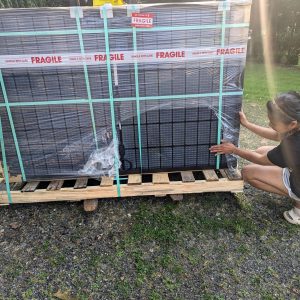
Buy Wholesale Solar Panels By The Pallet For Sale (31+ Units From $1,900)
$1,900.00 Add to cart -
Food Pallet
Buy Wholesale Spaghetti For Sale (50+ Cases From $895)
$1,200.00Original price was: $1,200.00.$895.00Current price is: $895.00. Add to cart -
WHOLESALE LIQUIDATION PALLETS
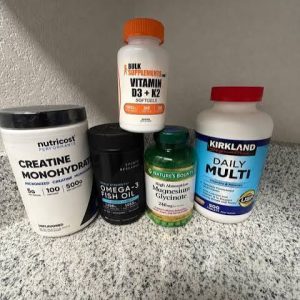
Buy Wholesale Supplements For Resale (500+ Units From $795)
$795.00 Add to cart -
KITCHEN & HOUSEWARE PALLETS
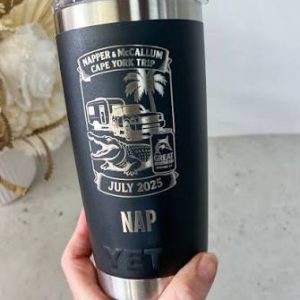
Buy YETI Wholesale For Sale (80+ Pieces From $1,895)
$1,895.00 Add to cart

Key Takeaways
- Buying pallets locally in California cuts freight costs that often decide whether a load is profitable.
- Direct business-to-business warehouses usually protect margins better than picked-over public lots.
- Testing and inspecting items before listing reduces returns and marketplace account problems.
- Unmanifested blind loads carry the highest risk and suit experienced buyers, not beginners.
- Verifying business credentials and using reversible payment methods guards against fraud.
- Resellers in California generally need a seller’s permit and must handle sales tax correctly.
Pallet Liquidation In California
In California, pallet liquidators buy overstock, shelf-pulls and customer returns from large retailers and sell them on to regional wholesalers. These wholesalers then break the truckloads down into single pallets, which small resellers can buy.
The process is simple. Large retailers cannot process every return economically or store seasonal overstock, so they sell it in bulk to specialised liquidators at steep discounts. These liquidators operate large facilities, often located near ports and industrial areas.
Local resellers then take over. You can buy a pallet or a small mixed lot, transport it to your own space, sort and test the goods, and then resell them individually. This regional network connects national brands with independent sellers, and understanding your position in this chain helps you judge whether a price is fair.
Is Pallet Liquidation Profitable For Beginners?
While it can be profitable for beginners, returns can vary widely depending on category choice, freight control and inventory processing efficiency. Nobody should treat it as a guaranteed source of income.
New sellers often find that shelf-pulls incur higher purchase costs but require minimal preparation, whereas customer returns incur lower costs but necessitate substantial testing time. Your profit margin is the difference between the cost of acquiring and processing a load and the actual selling price after fees.
The initial investment can range from a few hundred dollars for a single mixed pallet to several thousand dollars for a dedicated electronics load. Start small. A modest initial purchase allows you to assess a supplier’s reliability before committing larger sums.
Before you begin buying and reselling, review the state’s guidance on obtaining a California seller’s permit to understand your obligations as a seller.
Use case: A first-time reseller in Riverside buys one mixed general merchandise pallet for $400. After spending a weekend sorting and listing 60 items, and factoring in fees, how much profit is made depends almost entirely on how many items are sold and at what price. The key takeaway is that time, not just the pallet price, is a significant cost factor.
How Much Money Can You Expect To Make?
Earnings vary too much to promise a figure. Electronics can produce higher per-item returns but carry higher defect risk, while apparel is lower-risk yet demands heavy sorting and sizing. The honest answer is that your net depends on your niche, your labor, and your costs.
Rather than trusting a percentage, calculate your landed cost before every purchase. Landed cost is the total you spend to get sellable inventory, not just the sticker price of the pallet.
Here is a simple worked example you can copy:
- Pallet price: $500
- Fuel and tolls for pickup: $40
- Storage share for the month: $60
- Estimated marketplace and payment fees at 15 percent of expected sales
If you expect roughly $1,200 in sales, subtract $500 plus $40 plus $60 plus about $180 in fees. That leaves an estimated $420 before your own labor. Once you value your hours, you can decide whether the load is worth it.
The table below shows how effort and risk differ by category. Treat it as a planning guide, not a promise of returns.
| Category | Typical Risk Level | Processing Effort |
|---|---|---|
| Electronics | High (function testing) | High |
| Apparel | Low to Medium | Medium (sorting) |
| Tools | Low to Medium | Low (visual check) |
| General Goods | Medium | Low (fast listing) |
Where Can You Buy Wholesale Pallets Locally?
If you’re looking to buy wholesale pallets in California, you can find business-to-business warehouses concentrated in industrial hubs such as the Inland Empire, Los Angeles County, and the Central Valley. Buying locally reduces the freight costs that often determine profitability.
Southern California is the strongest sourcing region, with regular arrivals of fresh inventory at the ports of Long Beach and Los Angeles and at large distribution centres in San Bernardino County. The Central Valley offers general merchandise and agricultural options for buyers further north.
There are two main channels. Visiting a physical warehouse allows you to inspect the shrink-wrap and confirm that the load has not been opened or tampered with. Online business-to-business platforms offer a wider selection and greater convenience, but out-of-state facilities can incur additional freight costs that offset the discount.
The comparison below helps you weigh the two channels for your situation.
| Factor | Physical Warehouse | Online B2B Platform |
|---|---|---|
| Inspection before buying | Yes, in person | Photos only |
| Freight cost | Low if local | Often high |
| Selection | Limited to stock on hand | Broad |
| Fraud exposure | Lower | Higher |
What Are The Best Local Liquidation Warehouses?
The strongest local warehouses trade exclusively with other businesses and avoid walk-in shoppers, meaning you receive inventory before it has been picked over. This trait is more important than any brand name.
Many facilities specialise. Some focus on hardware and building supplies, some on cosmetics or apparel, and some handle a wide range of general merchandise. Aim to build relationships with suppliers who receive stock directly under retail contracts, as this positions you closer to the source and further from thrice-handled leftovers. Use the checklist later in this guide to verify any warehouse’s credentials before committing money.
How Do You Sell Excess Inventory To Liquidators?
If you run a business with unsold goods or returns to clear, sell to a liquidator by preparing organized, documented loads that a buyer can evaluate quickly.
- Inventory the stock you want to clear out.
- Separate items by condition and category.
- Document the original retail value where you can.
- Contact a reputable business-to-business buyer for an appraisal.
The way you present your offer directly affects its value. Buyers are willing to pay more for clean, well-organised loads with intact packaging because they can more easily calculate their resale margin. The easier you make the audit process, the stronger the buyback offer is likely to be. Basic organisation and honest condition notes are key.
What Is The Process For Getting A Fair Quote?
To receive an accurate quote, please submit a detailed manifest listing the exact items, quantities and current condition. Documentation is your strongest negotiating tool because it enables the buyer to make an informed decision.
The process usually begins with your manifest and clear photographs of the wrapped goods. The buyer will then review the paperwork and provide a preliminary estimate. If you accept this, they will schedule an on-site grading visit to confirm the condition of the goods against your description. After the final inspection, payment and freight loading often take place on the same business day. Any discrepancy between your manifest and the actual load will reduce the final offer, so accuracy is in your interest.
What Are The Different Pallet Grades And Conditions?
Pallet grades describe merchandise condition, ranging from brand-new Grade A stock down to salvage loads sold for parts. Knowing these distinctions is essential before you buy, because grade drives both price and workload.
Grade A means pristine, retail-ready items, often overstock or shelf-pulls that never reached a customer. Grade B covers light customer returns that may have damaged packaging or minor cosmetic flaws but still function. Salvage or scrap loads are non-functional units meant for parts harvesting only.
Condition also shapes cost per unit. Mixed bulk loads carry the lowest price but the highest sorting labor, while shelf-pulls cost more upfront and need almost no testing before you list them.
| Pallet Grade | Condition Description | Best Buyer Strategy |
|---|---|---|
| Grade A | Brand new, factory sealed | Premium online retail |
| Grade B | Open box, minor flaws | Discount local market |
| Salvage/Scrap | Non-functional, heavy wear | Parts harvesting only |
| Shelf-Pulls | Clean, out of season | Quick marketplace flip |
Branching quiz: Which load fits you?
This quiz is general guidance only, not financial advice.
- Question 1: Do you have time to test and clean items?
- If yes, continue to Question 2.
- If no, go to Result C.
- Question 2: Is your budget under $500 for this purchase?
- If yes, continue to Question 3.
- If no, go to Result B.
- Question 3: Are you comfortable with some unsellable items?
- If yes, Result A: Try a small mixed bulk or Grade B load.
- If no, Result C.
- Result B: Consider a dedicated Grade B category load to build volume.
- Result C: Choose Grade A shelf-pulls that need minimal processing.
How Do You Flip Returns On Online Marketplaces?
You flip returns by testing each item, photographing it honestly, and writing transparent descriptions on platforms such as eBay or established local selling apps. Accuracy protects your seller metrics and speeds sales.
Start by cleaning and testing every item. Never assume something works because it looks new. Photograph from multiple angles and show any cosmetic damage clearly rather than hiding it.
Honest descriptions reduce your own return rate. If a blender has a scratch on the base, say so in the first line. Buyers reward that transparency with fewer disputes, and marketplaces reward sellers whose listings match reality. For general selling obligations, the FTC’s overview of business advertising rules is worth reviewing.
What Are The Risks Of Selling Amazon Returns?
The main risk with uninspected tech returns is high defect rates and hidden faults. Unverified electronics can trigger customer complaints and put your seller account at risk if problems pile up.
Many tech items are returned because a proprietary cable is missing or an internal component failed. Reduce these losses by setting up a small testing station. Power on every device, run a factory reset, confirm all accessories are present, and only then list the item. A few minutes of testing prevents most costly disputes.
Use case: A seller buys a lot of returned earbuds without testing and lists them as working. Several arrive dead to buyers, refunds follow, and the account receives a warning. Testing first would have caught the failures and let the seller list them accurately as untested or for parts.
What Should Beginners Avoid When Buying Bulk Lots?
Beginners should avoid unmanifested blind loads from unknown vendors and should never ignore freight logistics. Either mistake can erase profit before you sell a single item.
Blind loads sometimes hide high-value goods, but they can just as easily contain unsellable stock. Unless you have capital to gamble, stick to manifested lots where you know roughly what is inside.
Transport is the second trap. Buyers routinely purchase a large lot with no realistic way to move it, and freight can exceed the value of the goods. Confirm your vehicle capacity and calculate mileage before you commit.
| Cost Factor | Why It Matters | Beginner Tip |
|---|---|---|
| Freight/pickup | Can exceed goods value | Confirm before buying |
| Storage | Recurring monthly drain | Buy what you can process |
| Fees | 10 to 20 percent typical | Include in landed cost |
| Unsellable items | Hidden in blind loads | Prefer manifested lots |
How Do You Prevent Issues With Defective Goods?
- Inspect the shrink-wrap in person for signs of tampering.
- Read the supplier’s grading definitions carefully.
- Start with a small test order.
- Document any discrepancies immediately on unboxing.
Prevention starts with in-person inspection before any large commitment. Look for double-wrapped plastic, missing retailer tape, or reapplied labels, all signs a load may have been opened and picked over.
Begin with smaller mixed loads to gauge a supplier’s consistency. Once a vendor proves reliable across a few purchases, you can scale volume with far less risk.
How Do You Verify The Legitimacy Of Suppliers?
Verify a supplier by checking state business credentials, confirming tax compliance, and reading independent reviews. Legitimate wholesalers operate transparently and can prove who they are.
A major fraud signal is pressure to pay by irreversible methods before you can inspect anything. The FTC’s guidance on avoiding common payment scams explains why wire transfers and gift cards favor fraudsters. Insist on reversible payment for a first transaction.
Use this quick verification checklist:
- Confirm a valid business name and registration.
- Ask for a resale or seller’s permit reference.
- Search independent reviews outside the seller’s own site.
- Insist on reversible payment for the first order.
- Request a manifest and clear photos before paying.
| Red Flag | What It Suggests | Safer Response |
|---|---|---|
| Wire-only payment | Fraud risk | Use reversible methods |
| No inspection allowed | Hiding condition | Walk away |
| No business details | Unregistered seller | Verify first |
| Prices far below market | Salvage or scam | Confirm manifest |
What Credentials Should A Trusted Partner Have?
A trusted partner holds valid state and local business registration, a seller’s permit, and documented grading processes. These prove a legal, accountable operation rather than a pop-up reseller.
In California, sellers of tangible goods generally need a seller’s permit through the Department of Tax and Fee Administration, and buyers reselling stock use resale certificates correctly to avoid tax problems. A legitimate warehouse can speak to these basics without hesitation. Established companies with a documented track record also tend to supply more consistent inventory month to month.
How Do You Ensure Safety And Compliance During Pickup?
Ensure safety by following each facility’s dock protocols, using proper tie-downs, and bringing the right vehicle. Loading docks move fast and can be dangerous.
Do not arrive at a commercial dock in a passenger car for full-pallet pickups. Use a box truck, cargo van, or rated trailer, and secure cargo before leaving. Carry appropriate commercial auto insurance if you operate a regular pickup routine, wear high-visibility clothing when required, keep the dock clear, and let forklift operators do their work without interference.
Frequently Asked Questions About Pallet Liquidation In California
How Does Pallet Liquidation In California Work For Beginners?
Beginners buy overstocked and returned goods in bulk at a discount from a regional warehouse. They then transport the load home, sort and test the items, and resell them individually online or locally. Success depends on careful testing and strict cost control rather than relying on finding one lucky pallet.
Where Can You Buy Wholesale Pallets Locally In California?
You can purchase goods from business-to-business warehouses located in the Inland Empire, Los Angeles County and the Central Valley. Visiting in person allows you to inspect the stock, avoid picking through what is left over, and avoid the freight costs associated with suppliers in other states.