
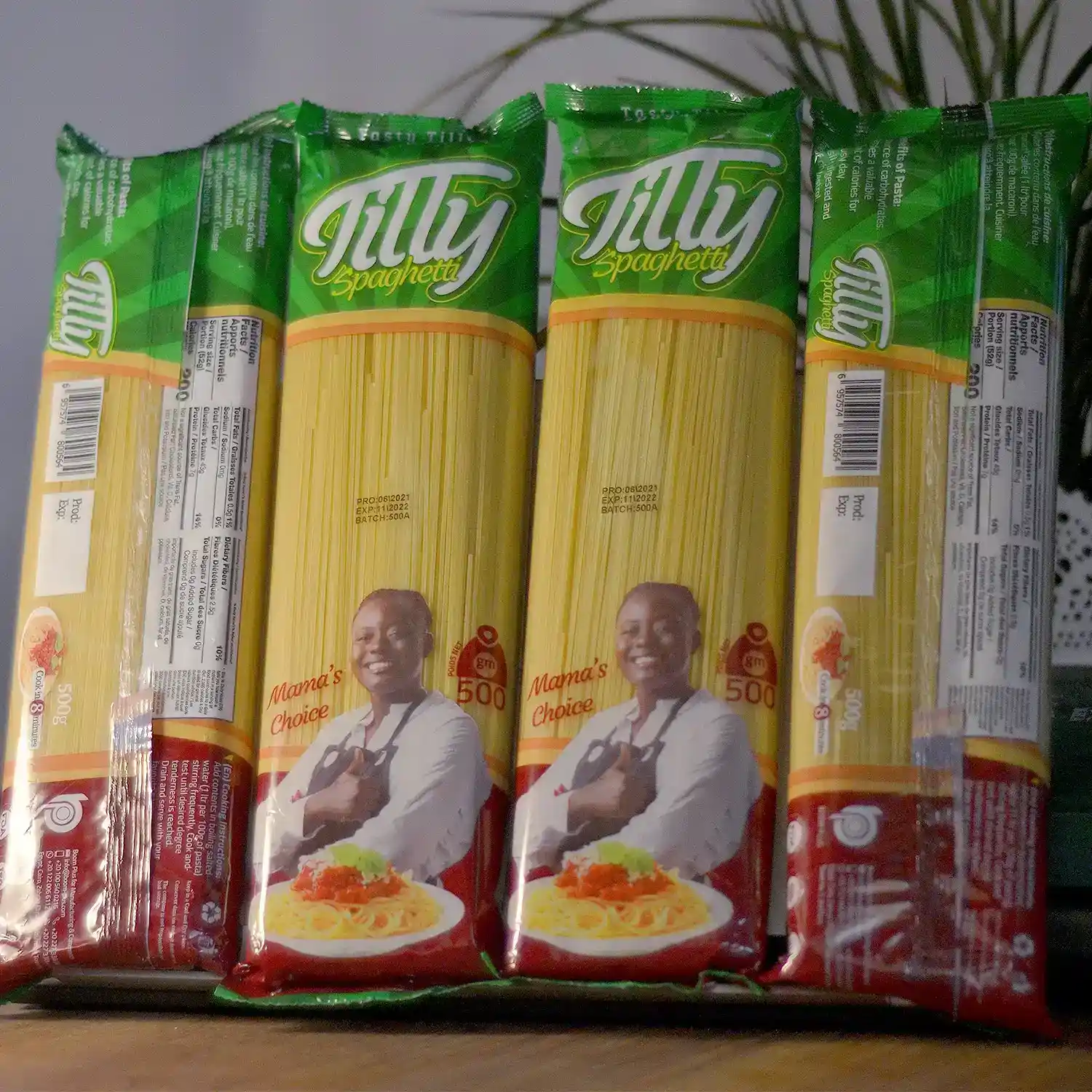
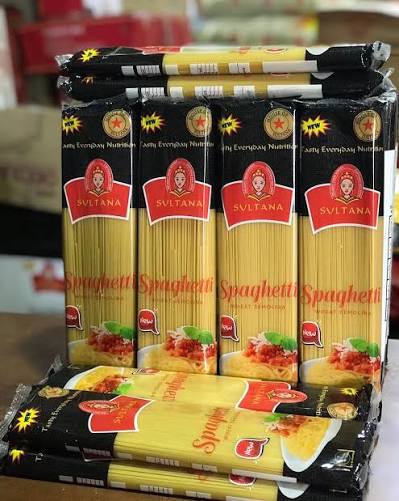
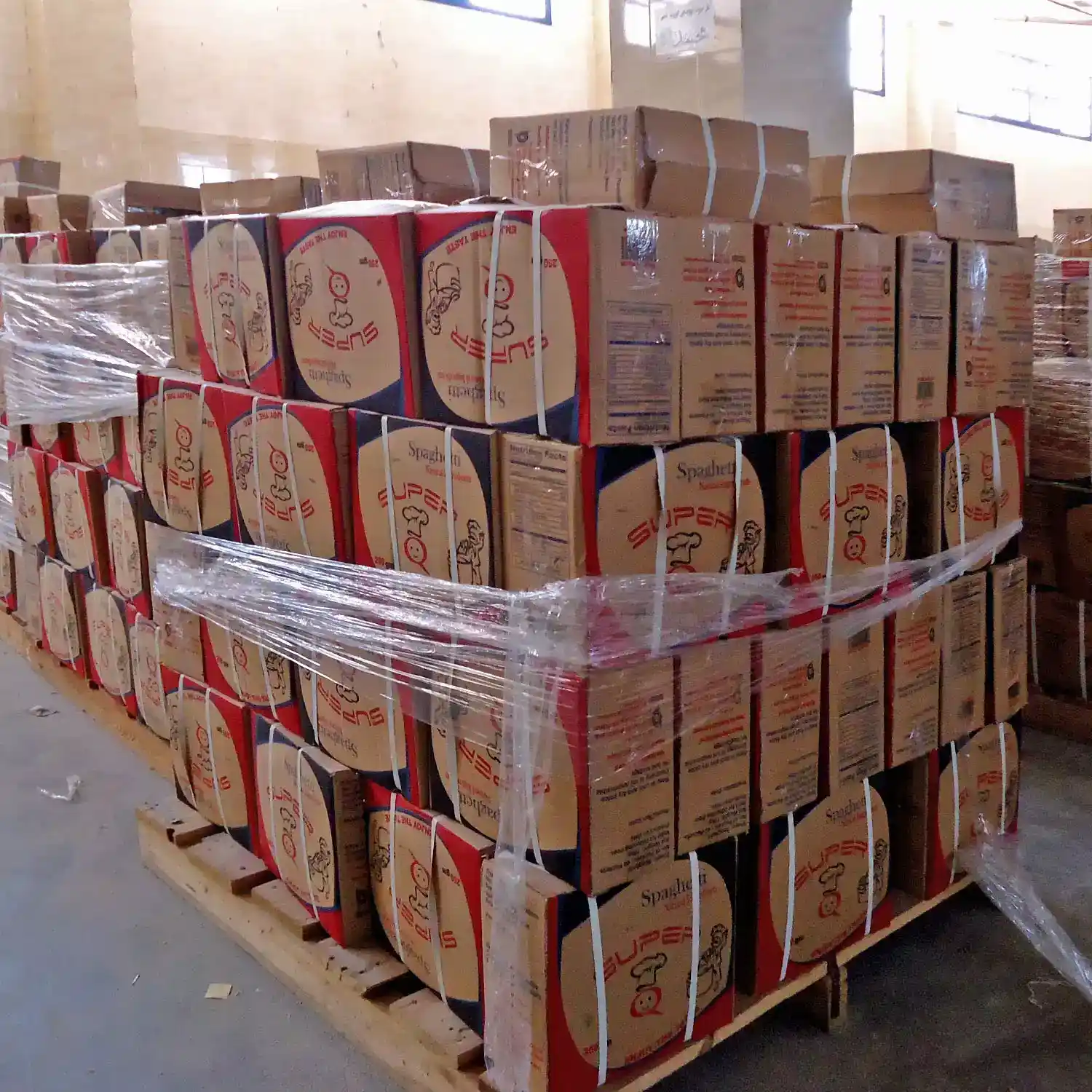
Buy Wholesale Spaghetti For Sale (50+ Cases From $895)
Original price was: $1,200.00.$895.00Current price is: $895.00.
- Current Price: From $895 Per Pallet
- Status: In Stock – Ready To Ship
- Seller: Verified United States Wholesale Spaghetti Liquidation Supplier
- Source: Grocery Distributor Overstock, Retail Overstock and Closeout Inventory
- Condition: New, Factory-Sealed, Shelf-Stable Grocery Products with Lot-Specific Best-By Dates
- Brands Included: Barilla, Ronzoni, Mueller’s, Creamette, De Cecco, San Giorgio and More
- Sizes: Assorted 12-ounce to 32-ounce Retail Packages, Including Standard, Thin, Whole Wheat, Gluten-Free and Organic Spaghetti
- Items per Pallet: 50+ Cases, Usually 12 to 20 Retail Packages per Case, Assorted Spaghetti Styles
- Estimated Retail Value: Up To $1,800+
- Packaging: Original Retail Packages, Sealed Master Cases, Lot Labels and Secure Freight Wrap
- Distribution Agreement Required: No
- Shipping Area: Fast Freight Delivery Across the United States and Worldwide
Food Inventory Note
Best-by dates, package counts and exact brand mixes vary by lot. Confirm dates, lot labels and marketplace resale requirements before purchase.
Detailed Breakdown By Brand
Barilla Spaghetti
- Quantity: 8 to 10 cases, typically 9
- Sizes: 12-ounce to 16-ounce packages
- Products: Standard spaghetti, thin spaghetti and whole wheat varieties are commonly included.
- Resale Note: Barilla has broad grocery recognition and steady resale demand.
Ronzoni Spaghetti
- Quantity: 7 to 9 cases, typically 8
- Sizes: 12-ounce to 16-ounce packages
- Products: Classic spaghetti, thin spaghetti and gluten-free varieties may be included.
- Resale Note: Its familiar name supports consistent demand in discount grocery and local resale channels.
Mueller’s Spaghetti
- Quantity: 7 to 9 cases, typically 8
- Sizes: 12-ounce to 32-ounce packages
- Products: Traditional spaghetti and family-size packages are typical.
- Resale Note: Larger packages provide useful value for neighbourhood stores and bulk resellers.
Creamette Spaghetti
- Quantity: 7 to 9 cases, typically 8
- Sizes: 12-ounce to 16-ounce packages
- Products: Classic and thin spaghetti products are commonly found in grocery closeout lots.
- Resale Note: The accessible price point can support quick inventory turnover.
De Cecco Spaghetti
- Quantity: 6 to 8 cases, typically 7
- Sizes: 16-ounce to 32-ounce packages
- Products: Premium semolina spaghetti and thicker spaghettoni styles may be included.
- Resale Note: Higher shelf prices can add retail value to a mixed pallet.
San Giorgio Spaghetti
- Quantity: 9 to 11 cases, typically 10
- Sizes: 12-ounce to 16-ounce packages
- Products: Standard and thin spaghetti packages are common.
- Resale Note: Strong grocery familiarity makes these products suitable for discount stores, markets and online resale.
Typical Brand Allocation
A typical 50-case pallet may include:
| Brand | Typical Cases |
|---|---|
| Barilla | 9 |
| Ronzoni | 8 |
| Mueller’s | 8 |
| Creamette | 8 |
| De Cecco | 7 |
| San Giorgio | 10 |
| Total | 50 Cases |
Important: Actual brand counts may vary within the listed ranges depending on the specific liquidation lot.
Example Spaghetti Pallet Manifest
Example Pallet Manifest – Total: 50+ Cases
| Item Type | Estimated Quantity |
|---|---|
| Standard Spaghetti | 15 cases |
| Thin Spaghetti | 9 cases |
| Whole Wheat Spaghetti | 7 cases |
| Gluten-Free Spaghetti | 6 cases |
| Organic Spaghetti | 5 cases |
| Thick Spaghetti and Spaghettoni | 8 cases |
| Total | 50 cases |
Manifest Disclaimer: This is an example pallet manifest only. Actual product types, quantities, brands, package sizes and case counts may vary by liquidation lot. Confirm the current manifest before purchase.
Who Can Buy Wholesale Spaghetti Liquidation Pallets?
This pallet is perfect for resellers on eBay, Amazon, Facebook Marketplace, flea markets, local stores and online boutiques seeking strong profit margins.
Actual resale value and profit margins will depend on product condition, best-by dates, selling platform, marketplace requirements, shipping costs and the final purchase price.
Wholesale Spaghetti
Buying spaghetti wholesale involves purchasing large volumes of pasta directly from manufacturers, distributors or liquidation suppliers, rather than buying individual boxes at retail prices. The core market for bulk pasta procurement comprises restaurants, catering companies, institutional kitchens, regional supermarkets and independent discount store resellers.
Buying spaghetti in wholesale quantities dramatically reduces your cost per unit, protecting your profit margins in food service and retail operations. Buying by the case, pallet or freight load ensures that your kitchen or store shelves remain stocked in the event of supply chain interruptions. Dry pasta has an exceptionally long shelf life, making it a low-risk inventory asset that will not spoil if stored properly.
Furthermore, securing commercial wholesale pricing frees up capital for other operational costs while enabling you to build a predictable food cost model. Eliminating middlemen and shopping directly from bulk catalogues instantly reduces packaging waste and lowers shipping expenses per pound. Browse our wholesale spaghetti catalogue today and secure bulk pricing tailored to your business needs.
What Are The Current Wholesale Spaghetti Prices?
Current wholesale spaghetti prices vary considerably depending on the packaging format, order volume and grain quality. However, standard bulk dry durum wheat pasta typically trades at between $0.60 and $1.10 per pound on a commercial scale. Prices usually decrease as the quantity purchased increases, from individual 20-pound master cases to full pallet loads and dedicated dry freight trucks.
Distributors pricing pasta inventory build their quotes using per-case or per-pound calculations. For example, a restaurant purchasing a single 20-pound case would pay a higher per-pound rate than a discount grocery chain securing a full 2,000-pound freight pallet. Let me explain. Brand reputation, grain origins — such as 100% semolina wheat — and packaging type directly affect your final invoice cost.
| Wholesale Packaging Format | Average Unit Weight | Primary Pricing Structure | Best Suited Buyer Profile |
|---|---|---|---|
| Master Case (Retail Boxes) | 20 to 24 lbs | Per Case / Per Box | Local Grocery & Flea Market Resellers |
| Bulk Service Bag | 10 to 20 lbs | Per Pound / Per Bag | Commercial Kitchens & Restaurants |
| Standard Freight Pallet | 1,000 to 2,000 lbs | Per Pallet / CWT (Per 100 lbs) | Supermarket Chains & Food Distributors |
| Industrial Dry Tote | 2,000 lbs+ | Per Metric Ton / Bulk Weight | Co-packers & Large Food Manufacturers |
How Much Does Golden Penny Spaghetti Cost At Wholesale Rates?
Golden Penny spaghetti is typically sold at wholesale pricing in master cartons containing 20 individual 500-gram packages. This competitive pricing is designed for high-volume consumer retail markets. Although precise daily distributor rates fluctuate in line with global wheat commodity markets, this brand maintains a stable cost structure aimed at mass-market affordability.
Commercial buyers typically procure Golden Penny orders starting at a minimum quantity of 50 to 100 master cartons. Compared to premium imported Italian brands, Golden Penny is priced at a more affordable wholesale level. This enables regional grocery stores and discount market vendors to maintain strong resale turnover while keeping shelf prices at the checkout accessible for families.
What Is The Wholesale Price Of Santa Lucia Spaghetti In Uganda?
The wholesale price of Santa Lucia spaghetti on the Ugandan market is directly affected by current currency exchange rates, import duties, customs tariffs and distribution and transit costs from East African port facilities. In Kampala and the surrounding regional distribution hubs, Santa Lucia spaghetti is consistently marketed as a staple food and is sold primarily in bulk cartons to regional wholesalers and local market traders.
As Uganda relies on cross-border supply chains and imports for many processed wheat goods, fuel costs and regional customs and trade rules have a significant influence on wholesale carton prices. Buyers who purchase directly from major import distributors in industrial sectors receive significant discounts compared to smaller operations that source from secondary regional wholesalers.
Who Are Reliable Wholesale Spaghetti Suppliers?
Reliable wholesale spaghetti suppliers include major brand food distributors that have been verified, restaurant supply warehouses, commercial grocery liquidators and direct factory co-packers. These suppliers offer transparent quality control and consistent product availability. To identify a dependable wholesale food partner, you must audit their operational consistency before committing significant capital to large freight orders.
The real question is whether the supplier can guarantee on-time delivery of freight and consistent ingredient quality across repeated order cycles. Professional suppliers clearly state their minimum order quantities (MOQs), which can range from a $250 mixed-catalogue order to a full container load. You should always request transparency regarding expiry dates and lot tracking to protect your food safety standards.
What Should You Look For In A Flat Spaghetti And Linguine Wholesale Supplier?
When sourcing flat spaghetti and linguine in wholesale formats, look for suppliers that package products in commercial-grade 5-kilogram or 10-pound foodservice bulk bags designed to prevent noodle breakage during transit. Flat pasta shapes feature a wider surface area that is far more vulnerable to cracking under crushing warehouse stacking pressures than traditional round spaghetti noodles.
Working with a supplier that maintains a broad catalog of varied cut styles allows catering and restaurant managers to streamline all pasta sourcing into one cohesive invoice. Menu diversity requires access to thick, thin, round, and flat cuts. When your wholesale supplier stocks dependable reserves of linguine, fettuccine, and flat spaghetti alongside standard cuts, you simplify kitchen inventory planning and earn volume freight discounts.
What Types Of Spaghetti Are Available For Wholesale Purchase?
The wholesale pasta market offers a variety of options, including standard dry durum semolina spaghetti, certified organic wheat spaghetti, gluten-free rice and corn pasta, speciality egg noodles, and imported, authentic Italian varieties. The type of wholesale pasta you choose depends directly on your kitchen preparation requirements, storage capabilities, and the preferences of your target consumers.
Standard dry semolina pasta dominates wholesale purchasing due to its structural strength in commercial boiling kitchens and its shelf life of several years. Although organic and speciality dietary pastas have higher upfront purchase costs per case, they yield significantly larger gross profit margins when resold in boutique grocery stores or high-end health food markets.
| Pasta Category | Shelf-Life Benchmark | Primary Ingredient Source | Target Resale Environment |
|---|---|---|---|
| Standard Durum Dry | 24 to 36 Months | 100% Durum Wheat Semolina | Restaurants, Supermarkets, Caterers |
| Certified Organic | 18 to 24 Months | Non-GMO Certified Organic Wheat | Health Food Grocer, Specialty Retailers |
| Gluten-Free Varieties | 12 to 24 Months | Corn, Rice, or Chickpea Blend | Dietary Aisles, Modern Cafes |
| Fresh Frozen Pasta | 3 to 6 Months | Semolina, Fresh Eggs, Flour | High-End Dining, Gourmet Markets |
Explore our full range of dried and organic spaghetti options and request a wholesale sample pack to test kitchen performance before placing your next volume order.
Are Spaghettios Available For Wholesale Purchase?
Yes, Spaghettios are readily available to buy in bulk from institutional dry goods distributors, commercial grocery wholesalers and surplus shelf-pull liquidators. Unlike traditional spaghetti bundles, which require preparation in a kitchen, Spaghettios are a pre-cooked, thermally processed, ready-to-eat meal sealed in a shelf-stable tin.
Primary wholesale buyers of bulk Spaghettios include discount variety stores, regional day care centres, school lunch catering companies, and emergency disaster relief organisations. Orders are usually processed by the pallet and consist of cardboard trays containing 24 individual pop-top cans, offering extreme durability and simple pantry storage without the need for temperature control.
How Are Custom Spaghetti Boxes Sourced For Wholesale Packaging?
We source custom spaghetti boxes directly from folding carton manufacturers and food-grade custom product packaging printers, who are capable of engineering windowed or fully sealed rigid paper boxes. Launching a retail pasta line or rebranding liquidated bulk inventory requires FDA-compliant food-contact paperboard such as solid bleached sulfate, which resists moisture and protects fragile dried pasta during shipment.
Packaging serves a dual role, preserving food hygiene and communicating essential brand messaging on crowded grocery store shelves. Professional contract packaging suppliers enable businesses to order custom-printed boxes in wholesale production runs of around 1,000–5,000 units. Partnering with reputable carton suppliers guarantees that your boxes will feature accurate nutrition labels, correctly placed UPC barcodes, and structural stability for stacking on shelves.
Where Can You Find Wholesale Glass Storage Jar Suppliers For Spaghetti?
Wholesale suppliers of glass storage jars for spaghetti can be found through container manufacturing mills, industrial packaging distributors and international B2B sourcing platforms, such as online vendor marketplaces. To store standard dried spaghetti noodles, buyers must source extra-tall glass canisters measuring at least 28 to 30 centimetres in height to accommodate full-length uncooked noodles without breakage.
When selecting glass storage containers for premium food gifts or high-end kitchenware retail displays, prioritise borosilicate or heavyweight flint glass for lasting chip resistance. Your wholesale sourcing strategy should also evaluate the quality of the lids. Airtight silicone-ring wooden lids, hermetic wire-bale glass caps and threaded tin vacuum seals prevent pantry moisture infiltration and keep dried pasta fresh for longer.
What Are Spaghetti Beads And How Are They Sourced At Wholesale Volume?
Spaghetti beads are specialized cylindrical tubular acrylic, glass, or Lucite craft beads used in artistic jewelry making and garment assembly, sharing absolutely no connection to edible wheat pasta products. Crafting business owners, professional fashion designers, and educational supply vendors source these long, tube-like decorative accessories in bulk quantities to build unique statement jewelry and vibrant artistic textile trim.
To purchase spaghetti beads at true wholesale volumes, hobbyists and merchants bypass standard craft retail stores and buy directly from factory gem distributors, industrial bead import trading firms, or commercial craft supply liquidators. Wholesale jewelry findings are typically priced by bulk dry weight, sold in 500-gram bags, multikilo commercial cases, or factory master parcels containing several thousand individual matched pieces.
How Do 19 X 6mm Spaghetti Beads Differ From Other Sizes?
The 19 by 6 millimeter spaghetti bead represents a heavy, dramatic focal bead profile that differs noticeably from shorter, more common 10 or 12 millimeter standard spacer tubes. At nearly three-quarters of an inch in length (19mm) and over a quarter inch wide (6mm), this specific dimensional profile offers a wider center stringing hole capable of accommodating thick leather cords, heavy metal beading wire, and layered textile macrame strands.
Size consistency is an absolute critical quality factor for professional production jewelers ordering custom craft beads at wholesale scale. Cheaply manufactured plastic beads often display irregular stringing holes and uneven surface cuts that ruin symmetrical patterns in large commercial production runs. Verifying strict millimeter tolerances with your factory wholesale distributor guarantees every bead string aligns perfectly during assembly.
How Many Boxes Of Spaghetti Are Needed To Feed A Large Group?
You need approximately 25 standard one-pound retail boxes of dry spaghetti to feed a large group of 100 people according to universal commercial food service portioning formulas. Estimating precise food quantities for large catering events, community fundraising dinners, and institutional food service relies on standard dietary yield metrics to ensure adequate portioning without inflating food cost waste.
According to traditional culinary industry guidelines, one dry pound of durum wheat spaghetti doubles in weight when boiled in water and serves four standard adult meal portions. But that is not all. Catering managers must adjust these baselines upward by 10 to 15 percent when serving adolescent athletic teams or events where pasta is the exclusive primary main course rather than a side dish.
| Total Guest Count | Dry Pasta Weight Needed | Standard 16-Oz Retail Boxes | Commercial 20-Lb Bulk Cases |
|---|---|---|---|
| 20 People | 5.0 Pounds | 5 Boxes | 0.25 Case (Partial) |
| 50 People | 12.5 Pounds | 13 Boxes | 0.65 Case (Partial) |
| 100 People | 25.0 Pounds | 25 Boxes | 1.25 Cases |
| 200 People | 50.0 Pounds | 50 Boxes | 2.50 Cases |
How Many People Will A Pound Of Spaghetti Feed?
One pound of dry spaghetti reliably feeds four adult people when served as a standard main culinary dish alongside traditional pasta sauces. Each individual dry four-ounce uncooked serving expands through water absorption during the boiling cooking process to yield roughly eight ounces, or one complete cup, of cooked hot spaghetti on the dinner plate.
When executing high-volume commercial cooking for banquets and large gathering venues, purchasing individual one-pound retail boxes introduces unnecessary cardboard waste and operational prep delay. Switching your kitchen operations to standard 20-pound commercial bulk cases streamlines boiling prep times while instantly supplying enough raw dry pasta to serve 80 standard individual adult portions from a single open carton.
Is Two Pounds Of Spaghetti Enough For Ten People?
No, two pounds of dry spaghetti is slightly short of being enough to comfortably feed ten adult people for a main course meal; you should cook two and a half pounds to ensure proper portions. Cooking two pounds of dry pasta generates exactly eight standard four-ounce individual culinary servings, leaving two guests unserved or forcing you to reduce portion sizes across all ten dinner plates.
Whenever you plan meal production for family gatherings or small restaurant catering parties, human appetite variations must factor into your purchasing calculations. If your pasta is accompanied by heavy protein sides like meat-heavy bolognese sauce, sausages, or large meat wrappers, two pounds might barely cover ten guests. However, serving 2.5 to 3.0 pounds guarantees complete satisfaction with negligible incremental food costs.
What Bulk Spaghetti Products Are Available For Large Orders?
Bulk spaghetti products engineered for large orders include heavy-duty 20-pound and 24-pound cardboard master cases containing loose dry pasta, multi-pack bale bundles, and high-density industrial storage totes. Commercial food manufacturers deliberately skip expensive graphic marketing cartons for these food service formats, packing dry noodles directly into clear food-grade polyethylene poly linings inside sturdy outer fiber shipping cases.
These high-volume commercial packages cater specifically to institutional food preparation facilities, hospital dietary kitchens, university campus cafeteria dining halls, and large correctional facility food programs. Bulk volume case designs protect long noodle integrity during rough pallet transport while cutting down storage space footprint requirements in crowded walk-in dry goods store rooms.
What Other Pasta Shapes Are Offered Alongside Wholesale Spaghetti?
Alongside standard spaghetti bundles, wholesale food distributors offer a variety of pasta shapes, including short cuts like elbow spaghetti and macaroni, decorative shapes like penne and rotini, and traditional long cuts like fettuccine, capellini, and linguine. By expanding their purchasing inventory beyond basic string noodles, food service directors and regional grocery resellers can cover every potential recipe requirement, from baked casserole dishes to chilled pasta salads.
Elbow spaghetti, with its shortened, gently curved cylindrical shape, is a popular alternative in the wholesale sector as it fits easily into commercial automatic portioning equipment and buffet steam table inserts. Having a diverse range of complementary pasta shapes in your commercial inventory maximises operational flexibility in the kitchen and expands shelf appeal to a wide range of consumers.
Frequently Asked Questions About Wholesale Spaghetti
What Is Wholesale Spaghetti And Who Should Buy It?
Wholesale spaghetti is dry, processed pasta sold in large quantities, such as 20-pound cases or pallets, directly from manufacturers and distributors at a reduced cost per unit. Restaurants, catering companies, grocery store operators, institutional kitchens and secondary discount pallet resellers should buy wholesale spaghetti to minimise inventory expenditure and protect operating profit margins.
How Are Current Wholesale Spaghetti Prices Structured?
Wholesale spaghetti prices are structured using per-case rates for small commercial orders, and per-pound and hundredweight metrics for large pallet and container volumes. Final contract pricing varies based on wheat grain grading, brand recognition in the market, transport logistics and selected pack sizes, ranging from standard retail boxes to poly-lined bulk foodservice bags.
Related products
-
KITCHEN & HOUSEWARE PALLETS
Buy Wholesale Food Packaging For Sale (60+ Cases From $695)
Original price was: $895.00.$695.00Current price is: $695.00. Add to cart -
Food Pallet
Buy Wholesale Dog Food By The Pallet For Sale (1,200+ Lbs From $895)
$895.00 Add to cart -
Food Pallet
Buy Pallet of Flour Liquidation Wholesale Lots
Original price was: $360.00.$350.00Current price is: $350.00. Add to cart

Reviews
There are no reviews yet.